Woven Weed Barrier: Technical Comparison and Material Selection
A woven weed barrier is a permeable polypropylene ground-cover fabric used to suppress weed growth in agricultural, nursery, and landscaping projects. Its woven structure limits light penetration while allowing water to pass through openings between the tapes.
Choosing the right ground-cover material requires comparing woven fabrics with nonwoven geotextiles and polyethylene sheeting. Water permeability, mechanical properties, UV exposure, installation conditions, and maintenance requirements determine which option is appropriate for a particular project.
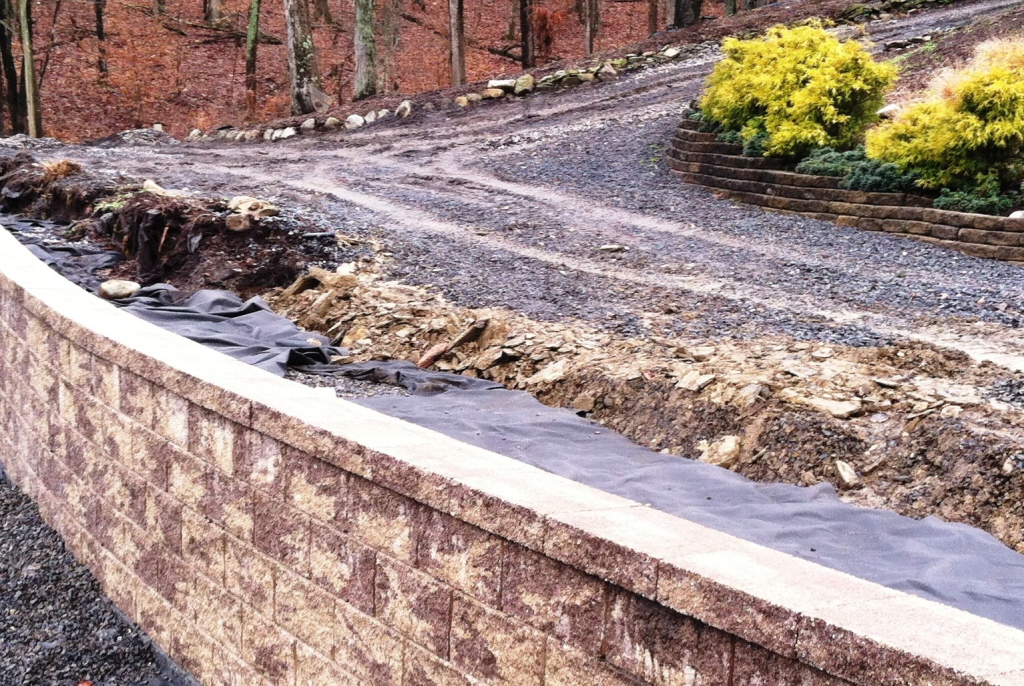
What Is a Woven Weed Barrier and How Does It Work?
A woven weed barrier is typically manufactured from interlaced polypropylene tapes that form a stable textile structure. By reducing the amount of sunlight reaching the soil, the fabric helps limit weed establishment while allowing water to pass through its openings. Actual permeability depends on weave density, fabric construction, and installation conditions.
Unlike impermeable plastic films, woven fabrics allow water infiltration where drainage is required. However, weeds may still grow through planting openings or in organic debris that accumulates on the surface. For agricultural applications, selecting a suitable woven weed barrier fabric requires evaluating irrigation methods, soil conditions, sunlight exposure, and maintenance needs rather than relying solely on fabric weight.
How Does Woven Weed Barrier Compare with Nonwoven Geotextile?
Woven polypropylene fabrics and nonwoven geotextiles differ in structure and intended function. Woven materials consist of interlaced tapes, providing direction-dependent tensile properties and a relatively dense surface. Nonwoven geotextiles consist of bonded fibers that form a porous structure commonly used for filtration, separation, drainage, and cushioning.
For surface weed suppression, a woven weed barrier may be appropriate where light exclusion and water infiltration are priorities. Nonwoven products may be preferable when soil filtration or cushioning is required, provided they meet project specifications. When comparing woven weed barrier vs. nonwoven geotextile, examine tensile strength, elongation, water permeability, opening size, and installation conditions. Neither construction is universally superior.
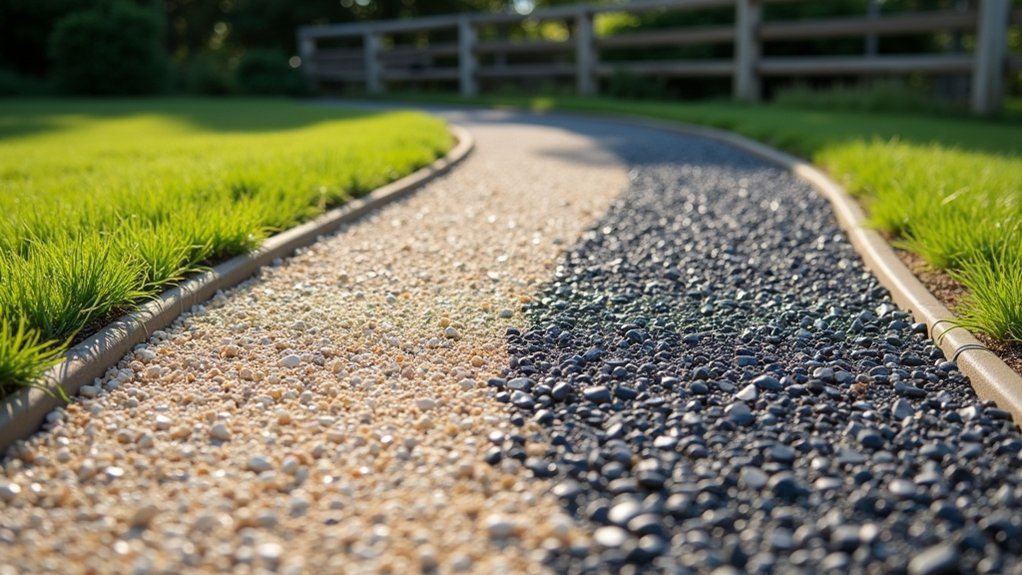
Where Should Woven Weed Barrier Be Used in Engineering Projects?
Woven ground covers are commonly used in commercial nurseries, agricultural planting rows, and landscaped gravel areas. In nurseries, relevant factors include container spacing, irrigation, surface drainage, and maintenance traffic. Agricultural projects also require consideration of crop requirements, planting openings, and seasonal or long-term use.
In landscape engineering, woven fabrics can help separate decorative aggregates from the underlying soil while limiting weed growth. However, accumulated sediment may support vegetation above the fabric. For engineered drainage systems, specification-grade geotextiles should be evaluated separately. Selecting woven weed barrier for landscaping projects requires assessing soil conditions, UV exposure, anchoring methods, and maintenance requirements rather than assuming that one fabric is suitable for every application.
How Do You Select Woven Weed Barrier Specifications and Request a Quote?
Material selection should begin with the required function and installation environment. Fabric weight, expressed in grams per square meter (GSM), is useful for comparing product categories but does not independently determine tensile strength, permeability, or service life. Buyers should compare documented mechanical properties, hydraulic characteristics, UV stabilization, and roll dimensions.
For a suitable product recommendation, provide the application, project location, coverage area, soil conditions, irrigation requirements, expected exposure conditions, and installation method. Include target specifications, preferred roll dimensions, order quantity, and delivery destination when available. Reviewing woven weed barrier specifications for commercial projects alongside relevant technical data sheets helps engineers and procurement teams compare alternatives consistently and request quotations based on clearly defined requirements.
Selecting the appropriate ground-cover material requires balancing weed suppression, water permeability, mechanical performance, and installation requirements. Woven polypropylene fabrics are suitable for many agricultural and landscaping applications, while nonwoven geotextiles and plastic films serve different functions. Geofantex can help evaluate suitable geosynthetic options based on project conditions. Share your application, required specifications, and estimated quantity to discuss material selection and request a quotation.


Comments
Post a Comment