Geotextiles and Geomembranes for Construction Projects
Geotextiles and geomembranes serve different functions in civil engineering, from soil separation and drainage to waterproofing and environmental containment. Choosing the right material requires an understanding of its engineering function, technical specifications, and installation conditions.
For engineers, contractors, importers, and procurement teams, evaluating material properties and supplier documentation is essential before purchasing. This guide explains how to assess geosynthetic products, match them to project requirements, and prepare accurate purchasing specifications.
What Are the Main Differences Between Geotextiles and Geomembranes?
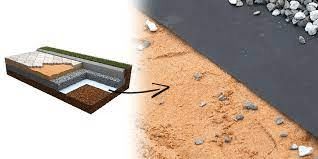
Geotextiles are permeable synthetic fabrics primarily used for separation, filtration, drainage, reinforcement, and protection. Manufactured from polypropylene or polyester, they are available in woven and nonwoven forms. Woven products are often selected for stabilization and reinforcement, while nonwoven materials are commonly used for filtration, drainage, and protective cushioning.
Geomembranes are low-permeability polymeric sheets designed to control liquid or gas migration. HDPE and LLDPE are common choices for containment applications. When comparing geotextiles and geomembranes for civil engineering projects, buyers should first identify the required function. Some engineered systems combine both materials to provide containment and mechanical protection.
Which Specifications Matter When Selecting Geotextiles and Geomembranes?
Geotextile selection depends on tensile strength, elongation, puncture resistance, apparent opening size, and hydraulic performance. Mass per unit area, expressed in g/m², helps identify product grades but does not independently determine suitability. Buyers should compare technical data sheets with the project's engineering specifications and applicable test methods.
For geomembranes, important properties include polymer composition, thickness, tensile performance, puncture resistance, chemical compatibility, and durability. Smooth or textured surfaces may be specified based on installation conditions and slope stability requirements. Reviewing geotextiles and geomembranes technical specifications alongside relevant laboratory test reports helps buyers verify material compliance before ordering.
Where Are Geotextiles and Geomembranes Commonly Used?
In road construction, geotextiles separate subgrade soil from aggregate layers, helping prevent the intermixing of materials. They also provide filtration and drainage where required by the design. Railway foundations, drainage trenches, and erosion control systems are other common applications. Material selection depends on soil conditions, hydraulic requirements, and construction loads.
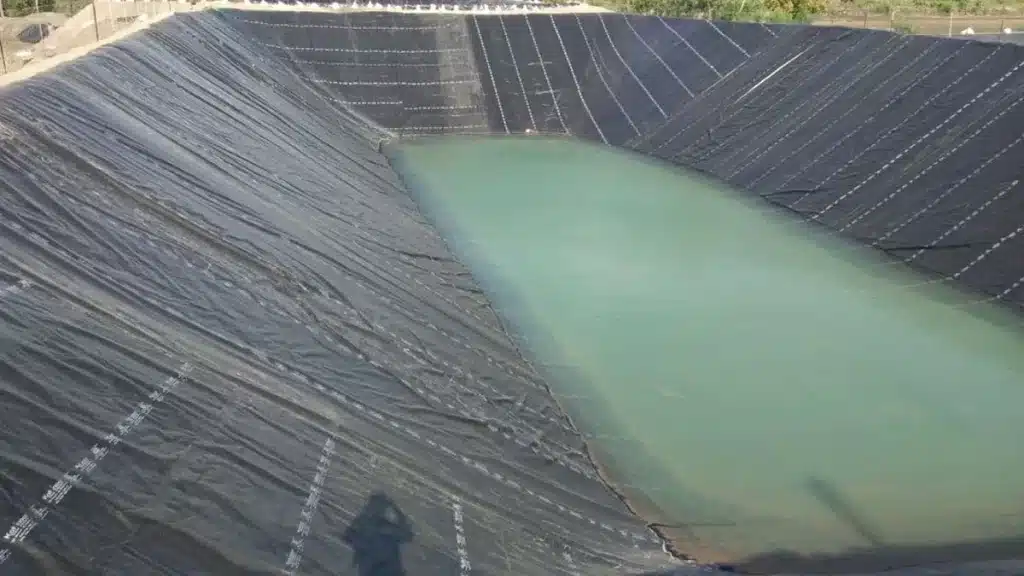
For waterproofing and containment, geomembranes are widely used in reservoirs, wastewater treatment facilities, landfills, and mining operations. HDPE liners provide a low-permeability barrier, while protective geotextiles may help prevent mechanical damage. Buyers evaluating geotextiles and geomembranes for waterproofing applications should consider chemical exposure, subgrade preparation, seam installation, and the design of the complete liner system.
What Should Buyers Check Before Ordering Geosynthetic Materials?
Before purchasing, confirm the material type, required performance properties, roll dimensions, quantity, and applicable standards. Calculate material quantities using project drawings, accounting for overlaps, cutting waste, anchor trenches, and installation details where relevant. Request technical data sheets, appropriate test reports, and manufacturing quality control documentation to verify product suitability.
Commercial considerations should include minimum order quantity, production lead time, packaging, freight arrangements, and agreed Incoterms. For international procurement, confirm the delivery destination and unloading requirements. Geofantex supports buyers sourcing geotextiles and geomembranes from a geosynthetics manufacturer by helping match available products to project specifications and procurement requirements before quotation and order confirmation.
Selecting suitable geosynthetic materials requires balancing engineering performance, installation conditions, quality documentation, and total procurement costs. Clear specifications help buyers compare suitable products and avoid procurement delays.
For a tailored quotation from Geofantex, submit your project specifications, required quantity, intended application, and delivery destination. Our team can review your requirements and recommend suitable material options for your project.


Comments
Post a Comment