Geogrid for Retaining Wall: Material and Strength Selection
Geogrid for retaining wall construction reinforces soil behind retaining structures, helping improve stability and control deformation. Selecting the appropriate product requires evaluating reinforcement strength, wall geometry, backfill properties, and long-term performance rather than relying on price alone.
For engineers, contractors, importers, and procurement teams, understanding material differences and technical requirements is essential. This guide explains how to compare geogrid options, assess project conditions, and verify specifications before purchasing reinforcement materials.
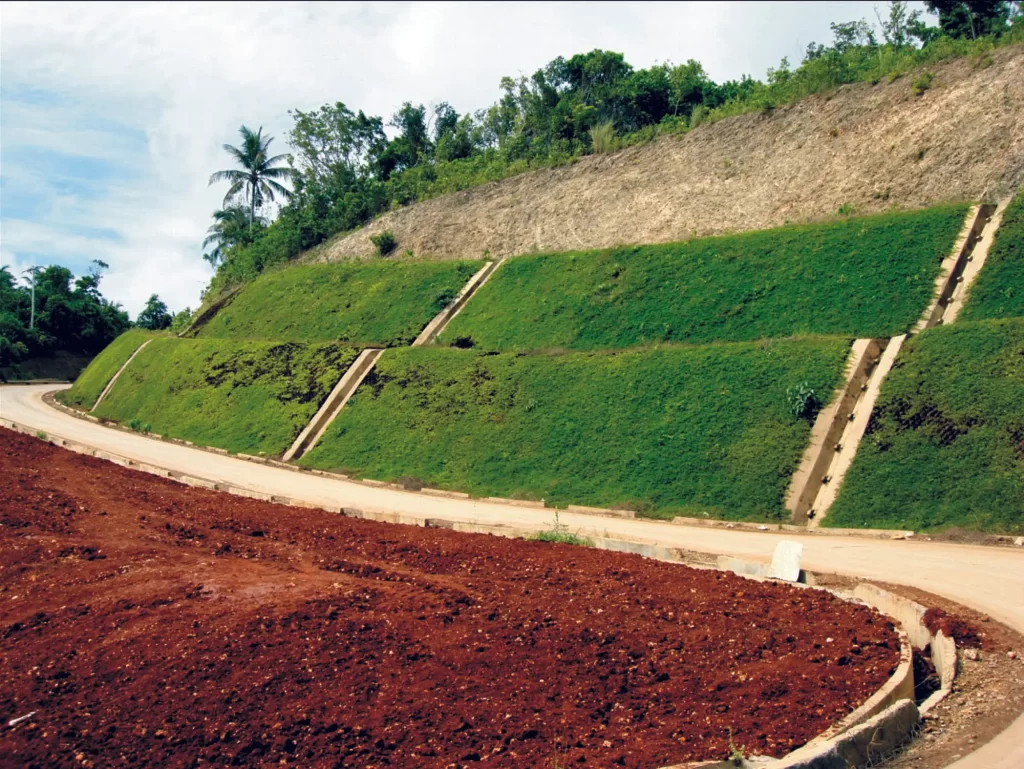
What Types of Geogrid for Retaining Wall Projects Are Available?
Uniaxial HDPE and polyester (PET) geogrids are commonly specified for mechanically stabilized earth (MSE) retaining walls. HDPE products offer resistance to many soil chemicals, while PET geogrids provide high tensile stiffness. Both require verification of long-term strength, durability, and compatibility with the project environment.
The choice between these materials depends on structural requirements, soil chemistry, and design life. Biaxial geogrids are primarily used for base stabilization and should not replace specified wall reinforcement without engineering approval. Buyers comparing geogrids for retaining wall applications should review material properties and approved design requirements before selecting a product.
Which Technical Specifications Matter Most When Selecting Geogrid?
Tensile strength, long-term design strength, creep resistance, and soil interaction are essential specifications. Ultimate tensile strength alone does not establish suitability because sustained loading, installation damage, and environmental exposure can reduce available reinforcement capacity. Engineers must evaluate these effects using the applicable design methodology.
A reliable geogrid specification guide for retaining walls should also address tensile strain, aperture geometry, reinforcement direction, and relevant test methods. Buyers should request technical data sheets and supporting test reports, including tensile test results obtained in accordance with applicable ASTM or ISO standards. Roll dimensions and manufacturing tolerances should also be checked to confirm compatibility with installation drawings and purchasing requirements.

How Do Site Conditions Affect Geogrid Selection for Retaining Walls?
Wall height, surcharge loads, foundation conditions, and backfill characteristics directly influence reinforcement requirements. Taller walls or structures supporting traffic loads may require greater reinforcement capacity, different spacing, or longer embedment lengths. These decisions must follow the approved geotechnical and structural design rather than generalized strength recommendations.
Soil gradation, shear strength, drainage, and groundwater conditions also affect performance. Reinforced soil slopes and vertical retaining walls have different geometric and stability requirements. For projects involving variable soil conditions, a geogrid design and installation guide for retaining walls can help procurement teams identify the information engineers need before material approval.
What Should Buyers Check Before Ordering Retaining Wall Geogrid?
Buyers should confirm the approved polymer type, reinforcement strength, roll dimensions, required quantity, and supporting quality documentation. Material quantities should be calculated from reinforcement drawings, allowing for practical cutting requirements and installation losses. Product identification and batch traceability should also be verified.
Commercial comparisons should consider more than the unit price. Minimum order quantities, packaging, production lead times, and delivery terms influence total procurement costs. When requesting geogrid quotations for retaining wall projects, buyers should provide the project application, technical specifications, estimated area, and delivery destination. This information helps suppliers identify compliant products and prepare accurate quotations.
Selecting retaining wall reinforcement requires matching material properties with structural design, soil conditions, and long-term performance requirements. Comparing verified specifications and supplier documentation helps buyers make informed purchasing decisions.
Geofantex supplies geosynthetic reinforcement materials for civil engineering projects. Send us your project specifications, required quantity, intended application, and delivery destination to receive suitable product recommendations and a tailored quotation.


Comments
Post a Comment