Geocomposite Sheet Selection for Civil Engineering Drainage
A geocomposite sheet combines geosynthetic components to provide drainage, filtration, separation, or protection in civil engineering projects. Common configurations include polymer drainage cores bonded to geotextiles, allowing water to flow through a designated drainage pathway while limiting the intrusion of soil particles.
Selecting the appropriate product depends on hydraulic requirements, applied loads, soil conditions, and installation details. Understanding the differences between composite structures and conventional drainage materials helps engineers and buyers specify suitable systems.
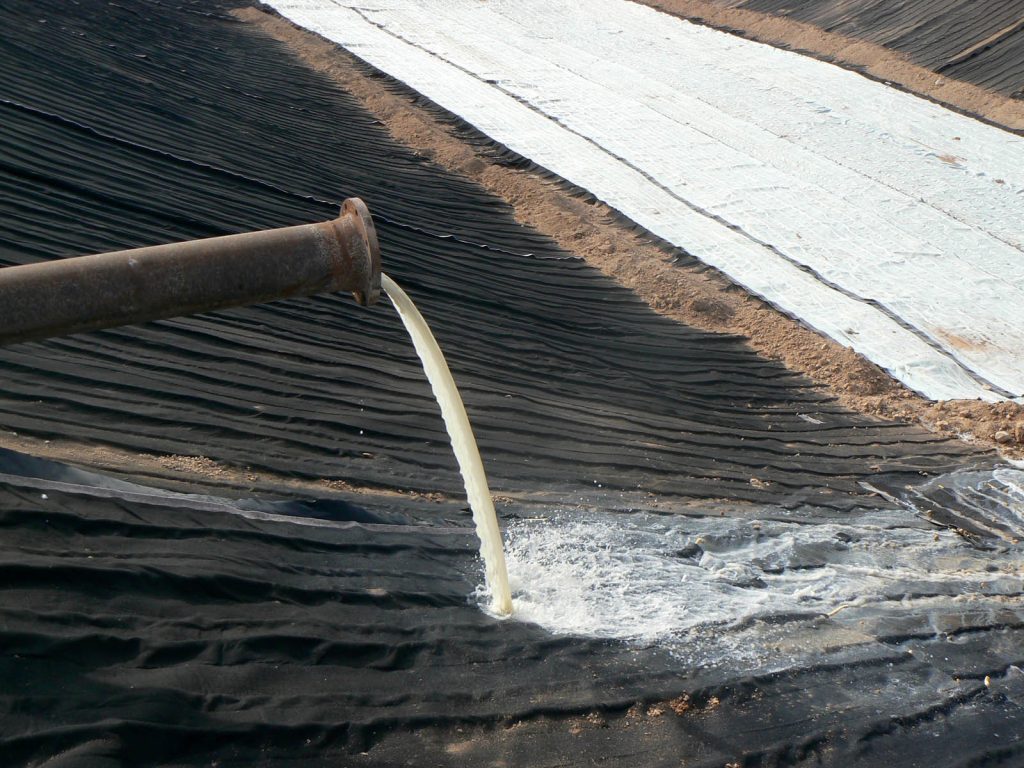
What Is a Geocomposite Sheet and How Does It Work?
These products combine two or more geosynthetic components to perform complementary engineering functions. Drainage configurations typically feature an HDPE geonet or three-dimensional polymer core with one or two nonwoven geotextile layers. The core channels water laterally, while the geotextile filters water and limits soil particle intrusion.
Unlike standalone geotextiles, which primarily provide filtration and separation, drainage composites incorporate a dedicated flow pathway. Engineers evaluating geocomposite sheet drainage systems should consider core geometry, filtration compatibility, and hydraulic transmissivity under representative loading conditions. Different configurations are available for vertical drainage, horizontal drainage, and environmental containment applications.
How Does Geocomposite Sheet Compare With Other Drainage Materials?
These systems differ from conventional gravel drainage layers in structure, installation requirements, and hydraulic behavior. Granular systems convey water through interconnected aggregate voids, while engineered polymer channels provide an alternative flow pathway. Both require suitable filtration and reliable drainage outlets. Manufactured drainage layers may be useful where installation space is limited or aggregate placement is difficult.
Compared with standalone geonets, geotextile-bonded composites integrate filtration into the drainage assembly. However, performance depends on normal stress, hydraulic gradient, and long-term deformation. When comparing geocomposite sheet vs gravel drainage, engineers should evaluate design flow capacity, soil compatibility, construction conditions, and total installed cost rather than nominal thickness alone.
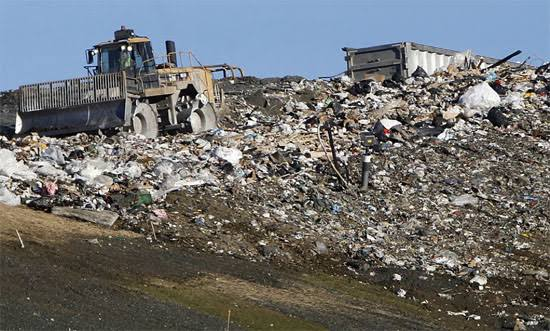
Where Is Geocomposite Used in Engineering Projects?
Drainage composites are commonly installed behind retaining walls and basement structures to collect infiltrating groundwater and convey it toward suitable outlets. Their selection depends on backfill characteristics, anticipated water pressure, installation orientation, and drainage connection details. A properly designed drainage system must also address waterproofing requirements where applicable.
Landfill drainage systems represent another important application. Geonet-based composites may provide drainage within leachate collection systems or other engineered containment systems. Engineers considering a geocomposite sheet for landfill drainage must evaluate sustained loading, chemical compatibility, interface shear resistance, and long-term hydraulic transmissivity. Similar design considerations apply to tunnels, underground structures, and selected infrastructure drainage applications.
How Should You Select a Geocomposite for Your Project?
Start by identifying the required engineering functions and site conditions. Key evaluation criteria include hydraulic transmissivity, compressive behavior, geotextile permittivity, apparent opening size, and material durability. Engineers should also assess laboratory results against expected field loads, hydraulic gradients, and long-term service conditions.
For an informed product recommendation, provide project drawings, application details, soil characteristics, required drainage capacity, installation orientation, and applicable specifications. Buyers should also confirm polymer preferences, roll dimensions, estimated quantities, delivery destination, and required documentation. Reviewing geocomposite sheet technical specifications alongside project requirements helps determine whether a proposed configuration is suitable before purchasing.
Choosing the right drainage composite requires balancing hydraulic performance, filtration compatibility, mechanical loading, and installation requirements. Comparing composite structures with geotextiles, geonets, and granular drainage systems helps identify suitable options without relying on thickness or price alone.
Geofantex supplies geosynthetic products for civil engineering and environmental applications. Contact our team with your project requirements to discuss suitable configurations, technical documentation, and quotation details.


Comments
Post a Comment