Geocell Retaining Wall Trends in Engineering and Procurement
A geocell retaining wall uses three-dimensional cellular confinement to stabilize infill materials within an engineered earth-retaining structure. Its suitability depends on wall geometry, soil conditions, loading, drainage, and structural design.
As engineers and contractors evaluate flexible retaining wall solutions, greater emphasis is being placed on material durability, installation efficiency, and specification-based procurement. Understanding these considerations helps project teams compare products, coordinate construction requirements, and select appropriate geosynthetic materials.
How Are Geocell Retaining Wall Applications Evolving?
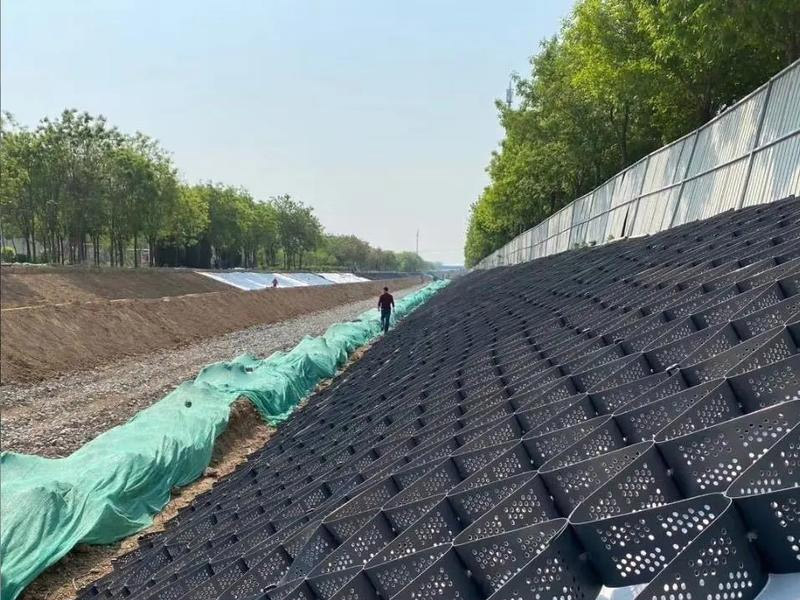
Geocell systems are being considered for gravity-type retaining structures, reinforced slopes, and earth-retention projects where adaptable configurations and efficient construction logistics are important. Expanded cellular panels confine soil or aggregate, helping maintain infill stability. Their suitability depends on foundation bearing capacity, wall height, surcharge loads, and overall structural stability.
For contractors evaluating geocell retaining wall construction solutions, site accessibility and available backfill materials influence system selection. Lightweight, collapsible panels can simplify transportation and handling, but they do not eliminate the need for engineered foundations or proper compaction. Taller or heavily loaded structures may require additional tensile reinforcement, making geogrid compatibility and project-specific engineering essential.
What Material Requirements Matter for Geocell Retaining Wall Performance?
High-density polyethylene (HDPE) is commonly used in cellular confinement products because of its flexibility and chemical resistance. However, long-term performance depends on more than polymer type. Strip thickness, cell dimensions, welded seam strength, material formulation, and environmental exposure must be evaluated against the intended application.
For permanent structures, engineers should consider connection durability, creep behavior, and resistance to ultraviolet exposure where relevant. Buyers comparing geocell retaining wall material specifications should request relevant test reports, manufacturing tolerances, and quality-control documentation. Product selection should be based on verified performance requirements rather than nominal thickness or price alone, particularly where structural loads and a long service life are important.
How Do Drainage and Installation Trends Affect Project Costs?
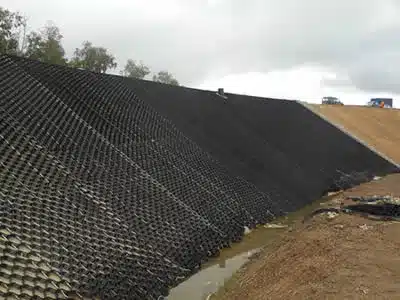
Drainage and installation planning directly influence retaining wall reliability and construction costs. Water accumulation behind a structure can increase lateral earth pressure, while unsuitable backfill or inadequate compaction may compromise stability. Depending on site conditions, geotextile filters, granular drainage layers, and drainage pipes may be necessary to manage groundwater and surface runoff.
Installation efficiency also depends on panel expansion, anchoring, infill placement, and equipment access. For projects considering geocell retaining wall drainage solutions, procurement teams should coordinate geocells with compatible filtration and drainage materials. Evaluating transportation, accessories, labor, and maintenance alongside the purchase price provides a more realistic assessment of total installed costs and long-term project value.
What Should Buyers Prioritize When Sourcing Geocell Retaining Wall Systems?
International procurement requires clear technical specifications and consistent supplier documentation. Buyers should confirm cell height, expanded dimensions, strip thickness, seam strength, panel configuration, and applicable testing requirements. Quotations should also identify connection accessories, packaging, delivery terms, and material quantities to support accurate comparisons between suppliers.
For contractors, importers, and distributors, geocell retaining wall supplier selection should prioritize manufacturing consistency, documented quality-control procedures, and compliance with project specifications. Coordinating geocells with geotextiles, geogrids, and drainage components can simplify sourcing, provided each material meets its specified function. Early communication with manufacturers helps clarify technical requirements, prevent purchasing discrepancies, and support reliable project scheduling.
Geocell retaining wall applications highlight the growing importance of adaptable engineering solutions, verified material performance, effective drainage, and coordinated procurement. Successful projects depend on matching cellular confinement products to site conditions and overall structural requirements rather than selecting materials based on price alone. Contact Geofantex to discuss geocell specifications, complementary geosynthetic products, and sourcing requirements for your next earth-retention project.


Comments
Post a Comment