Biaxial Geogrid Applications for Road and Subgrade Stabilization
Biaxial geogrid is increasingly specified for road construction and subgrade stabilization projects where contractors need reliable reinforcement, efficient installation, and consistent technical performance. For importers, distributors, and project buyers, selecting the correct geogrid means comparing tensile strength, aperture size, roll dimensions, project standards, supply capacity, and technical documentation before requesting a quotation.
Biaxial Geogrid Demand in Road Construction
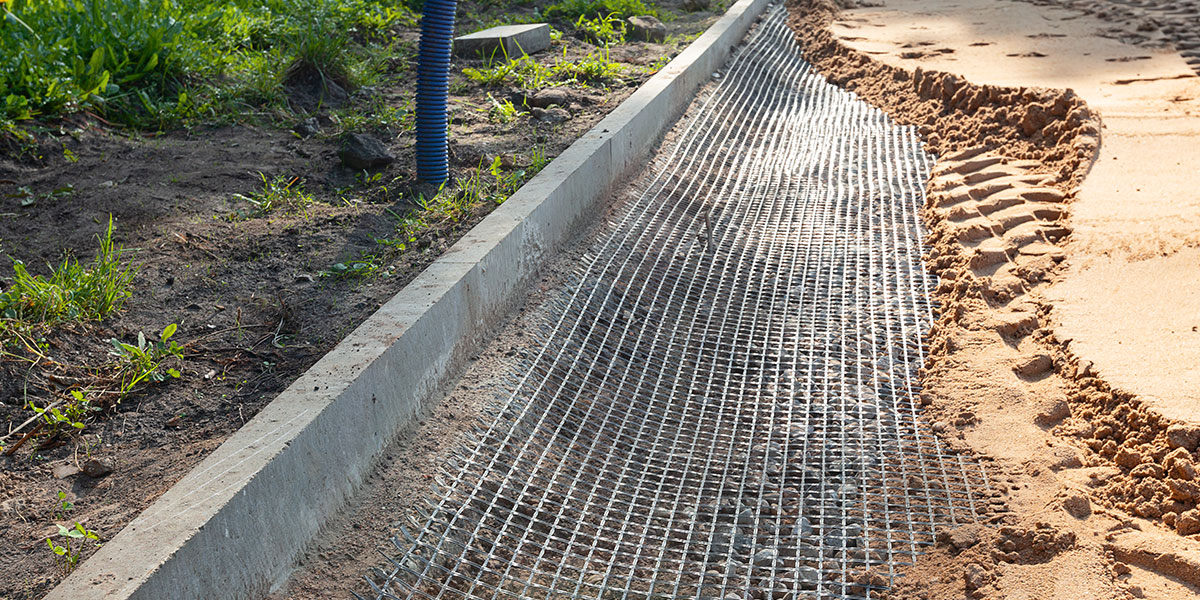
Road infrastructure projects continue to create demand for geosynthetic reinforcement solutions as engineers address weak subgrades, aggregate movement, rutting, and demanding traffic conditions. Instead of relying only on thicker aggregate layers or extensive soil replacement, project designers can incorporate geogrids into the pavement structure where appropriate.
The open-grid structure allows aggregate particles to interact with the apertures, helping improve confinement within the reinforced layer. This interaction can contribute to a more mechanically stable base or subbase when the geogrid, aggregate, and pavement system are properly designed.
For contractors evaluating reinforcement options, biaxial geogrid solutions for road construction can be considered for highways, access roads, industrial roads, parking areas, logistics yards, and other transportation infrastructure.
Project requirements vary considerably, so product selection should always reflect the actual soil conditions, aggregate gradation, traffic loading, pavement structure, and engineering design rather than relying on one standard specification for every application.
Biaxial Geogrid for Subgrade Stabilization
Weak or variable subgrade conditions can create challenges during road construction. Excessive deformation, lateral aggregate movement, and insufficient foundation stability may affect construction efficiency and long-term pavement performance.
A biaxial geogrid can be incorporated between appropriate pavement or aggregate layers to reinforce both principal directions. Depending on the project design, the grid structure interacts mechanically with compacted aggregate and helps restrict lateral movement within the reinforced layer.
For buyers comparing products, biaxial geogrid specifications for subgrade stabilization should be reviewed together with tensile properties, aperture dimensions, junction characteristics, polymer type, roll size, and applicable testing standards.
Technical datasheets and test reports are therefore important procurement documents. They allow engineers and purchasing teams to verify whether the proposed material corresponds with tender specifications and project requirements before an order is confirmed.
What Buyers Should Check Before Ordering
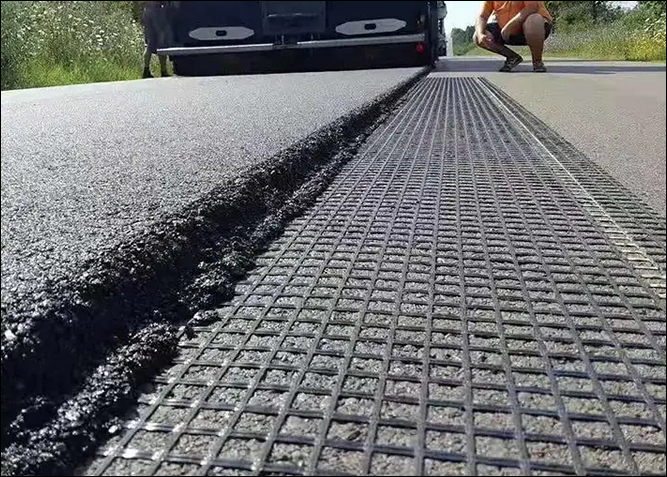
Price per square meter is only one part of geogrid procurement. Contractors, importers, and distributors should also evaluate whether the manufacturer can provide consistent specifications, suitable production capacity, quality documentation, practical packaging, and reliable shipment arrangements.
When requesting a quotation, buyers should provide the intended application, required tensile strength, aperture requirement, roll width and length, total quantity, testing standard, delivery schedule, and destination port. Providing these details allows the supplier to evaluate the requirement more accurately.
For projects with defined engineering parameters, biaxial geogrid technical specifications and supply options should be discussed before price comparison. This reduces the risk of comparing products that appear similar commercially but differ in dimensions, mechanical properties, testing methods, or project suitability.
International buyers may also need certificates, technical datasheets, laboratory reports, packing information, container-loading details, and other documentation for project approval or customs procedures.
Selecting a Reliable Geogrid Supply Partner
Large road projects often require more than a single shipment. Consistency between production batches, manufacturing capacity, lead time, export packaging, and technical communication can become important factors in maintaining the procurement schedule.
A capable manufacturer should be able to review project specifications and explain available product options instead of recommending the same configuration for every application. Depending on manufacturing capabilities and order requirements, specifications may vary in tensile strength, aperture configuration, roll dimensions, and packaging.
Geofantex supplies geogrids and other geosynthetic materials for road construction, soil stabilization, pavement reinforcement, and civil engineering projects. Buyers can request biaxial geogrid solutions for infrastructure projects together with relevant product specifications and commercial information.
If you are currently sourcing materials for a road or subgrade stabilization project, send us your required strength, aperture size, roll dimensions, quantity, application, applicable standard, and destination port. We can review the requirements, recommend an appropriate specification, and prepare a quotation for your project.


Comments
Post a Comment