Woven vs Non Woven Geotextile: Key Differences and How to Choose
Woven vs non woven geotextile selection is important for buyers looking for reliable geosynthetic solutions for road construction, soil stabilization, drainage, and infrastructure projects. Understanding the differences helps engineers and contractors choose the right material for strength, filtration, and long-term performance.
Geofantex supplies customized woven and non-woven geotextiles with consistent quality, technical support, and flexible specifications for global construction applications.
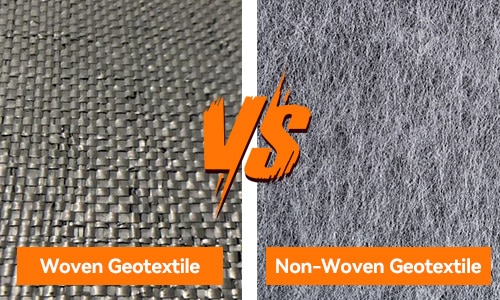
Woven vs Non Woven Geotextile for Road Construction
Road construction requires geosynthetic materials that can improve foundation stability, control soil movement, and extend pavement service life. Choosing the correct geotextile type depends on project requirements such as load capacity, soil conditions, and drainage needs.
Woven geotextiles are manufactured by weaving polypropylene or polyester yarns together. This structure provides high tensile strength, low elongation, and excellent reinforcement performance. They are commonly applied in highways, railway foundations, access roads, and areas with weak subgrade conditions.
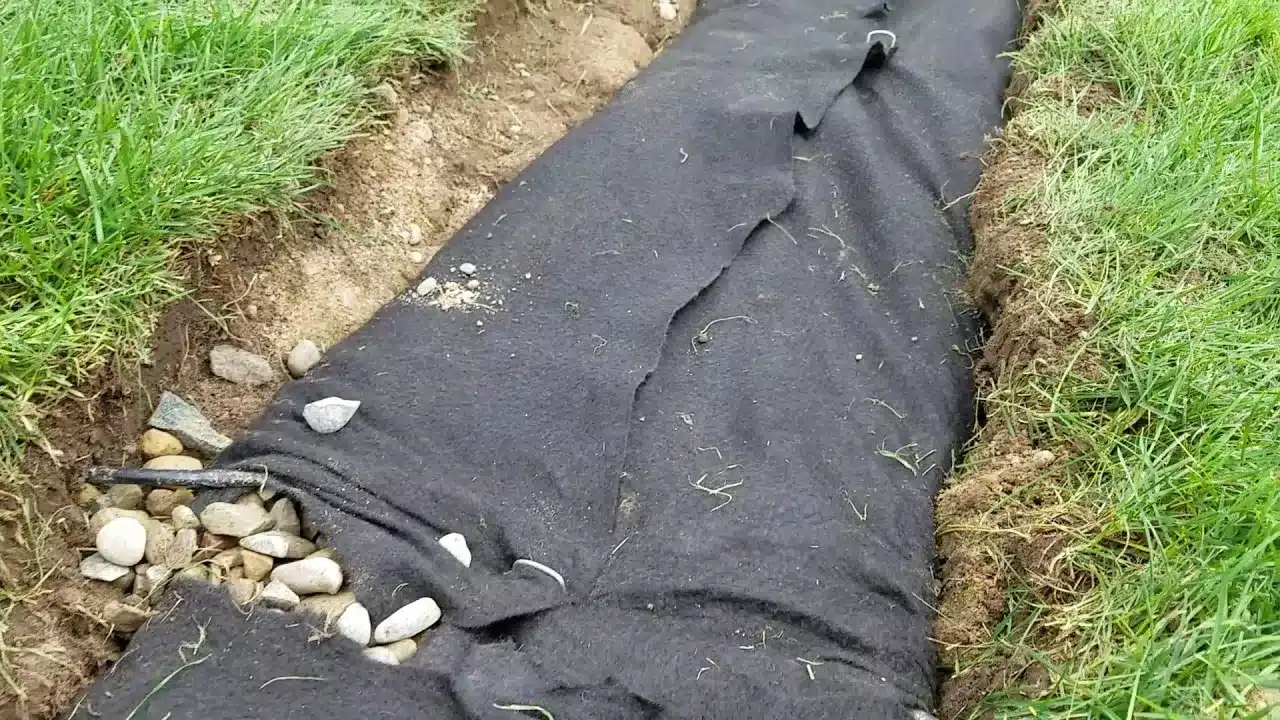
Non-woven geotextiles are produced through needle punching or thermal bonding processes. Their three-dimensional fiber structure provides excellent filtration, permeability, and puncture resistance. These characteristics make them suitable for drainage layers, separation applications, erosion control, and landscape engineering.
For road projects, selecting between different geotextile types requires evaluating both mechanical performance and environmental conditions. Geotextile fabric solutions for road reinforcement can help improve soil stability and reduce maintenance requirements.
Woven vs Non Woven Geotextile for Soil Stabilization
Soil stabilization is one of the most common applications of geosynthetics. Weak soils can lead to settlement, uneven surfaces, and reduced structural performance. Geotextiles provide separation and reinforcement between soil layers, improving overall project durability.
Woven geotextiles are preferred when projects require strong reinforcement. Their high tensile properties allow them to distribute loads and improve bearing capacity. They are widely used beneath roads, parking areas, embankments, and heavy construction platforms.
Non-woven geotextiles are often selected when filtration and drainage are the main objectives. They prevent fine soil particles from migrating while allowing water to pass through efficiently. This helps maintain drainage performance and prevents soil erosion.
When comparing Woven vs non woven geotextile, engineers should consider the primary function of the material rather than selecting based only on price. The correct choice can improve construction efficiency and reduce future repair costs.
Key Differences Between Geotextile Types
The main differences between woven and non-woven geotextiles include structure, strength, permeability, and application areas.
| Feature | Woven Geotextile | Non-Woven Geotextile |
|---|---|---|
| Manufacturing | Woven yarn structure | Needle-punched fiber structure |
| Main Function | Reinforcement and separation | Filtration and drainage |
| Tensile Strength | Higher | Moderate |
| Flexibility | Lower | Higher |
| Common Applications | Roads, railways, heavy loads | Drainage, erosion control, landscaping |
Selecting the right product requires considering project specifications, installation environment, and performance requirements.
Non woven geotextile fabric for drainage applications is widely used where water management and soil filtration are critical. Meanwhile, woven products are often chosen for reinforcement projects requiring higher mechanical strength.
Why Choose Geofantex Geotextile Products?
Geofantex provides professional geosynthetic solutions for contractors, distributors, and engineering companies worldwide. With more than 20 years of manufacturing and export experience, we offer customized geotextile products according to project requirements.
Our advantages include:
- Customized GSM, width, length, and technical specifications
- High-quality PP and PET raw materials
- Stable production capacity and international export experience
- ISO9001, ISO14001, ISO45001, and CE certifications
- Technical support for different engineering applications
Whether your project requires road reinforcement, soil separation, drainage systems, or environmental protection, Geofantex can recommend suitable geotextile solutions.
Woven geotextile reinforcement materials for construction projects are available in various specifications to meet different engineering standards.
How to Select the Right Geotextile Supplier
Before placing an order, buyers should evaluate:
- Required tensile strength and elongation
- Soil and drainage conditions
- Project standards and certifications
- Product customization capability
- Supplier production experience
Working with an experienced manufacturer helps ensure stable quality, timely delivery, and professional technical support.
Geofantex works with customers worldwide to provide reliable geosynthetic materials for infrastructure and environmental projects.
Contact our team today to receive product specifications, technical data sheets, and customized quotations for your next geotextile project.


Comments
Post a Comment