Geocomposite Drainage Sheet for Geosynthetic Applications
Geocomposite drainage sheet is widely used in landfill and tunnel projects to provide efficient water drainage, soil filtration, and structural protection. This geosynthetic solution helps engineers reduce hydrostatic pressure, improve drainage performance, and extend infrastructure service life.
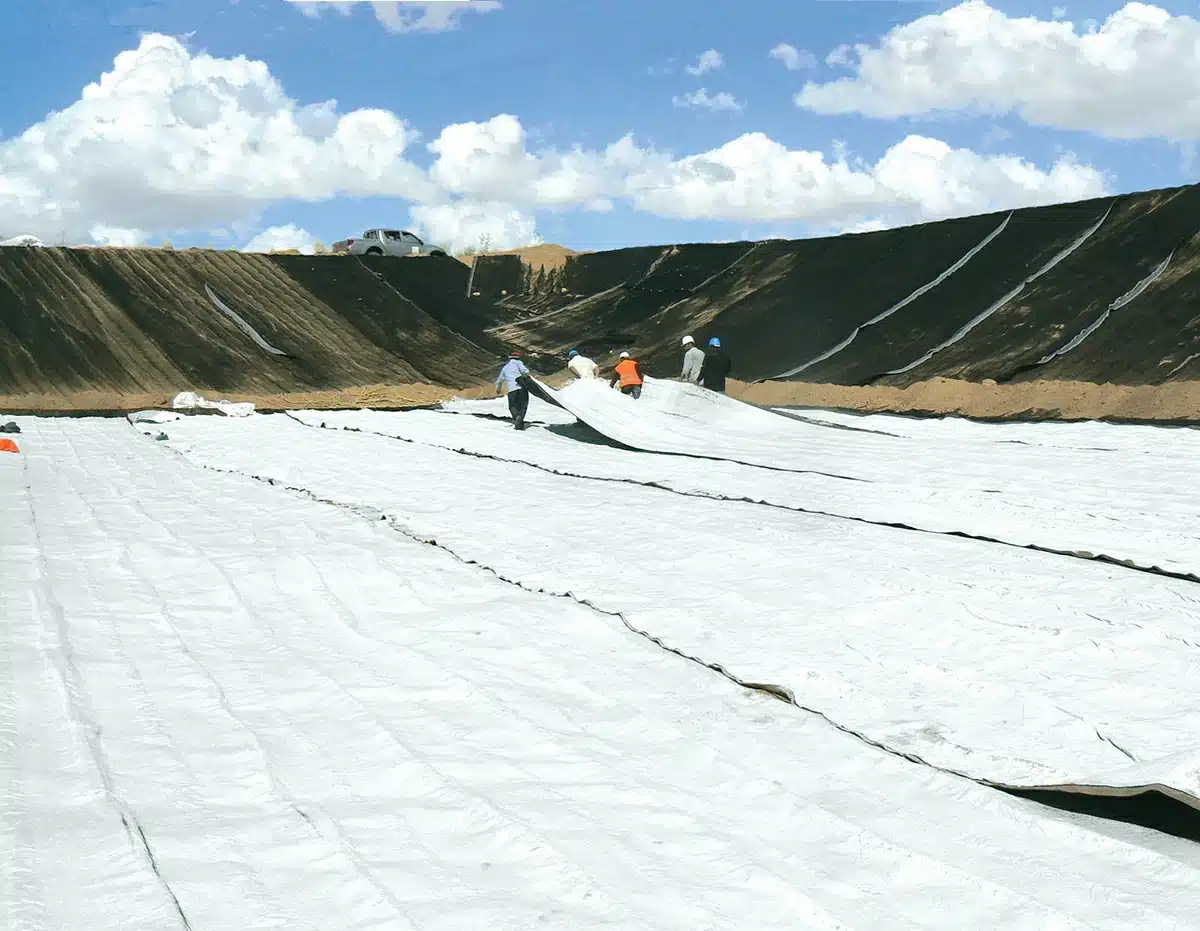
Geocomposite Drainage Sheet for Landfill Drainage Systems
Landfill engineering requires reliable drainage solutions to control leachate and prevent excessive water pressure inside waste containment systems. Poor drainage performance may lead to slope instability, liner damage, and environmental risks.
A well-designed drainage layer combines a flow channel structure with filtration materials to create an efficient water management system. The filter layer allows liquids to pass through while blocking soil particles. At the same time, the internal drainage structure provides continuous pathways for water flow.
Compared with traditional aggregate drainage layers, geocomposite drainage products require less installation space and reduce the need for heavy materials during construction. They are especially suitable for modern landfill projects where space limitations, construction efficiency, and long-term performance are important considerations.
The main benefits of using drainage geocomposites in landfill applications include:
- Improved leachate collection efficiency
- Reduced hydraulic pressure on geomembrane liners
- Lower transportation and installation costs
- Long-term resistance to chemical and biological conditions
When selecting a drainage system for landfill applications, engineers usually evaluate factors such as transmissivity, compressive strength, chemical resistance, and filtration performance.
Geocomposite Drainage Sheet for Tunnel Waterproofing and Drainage
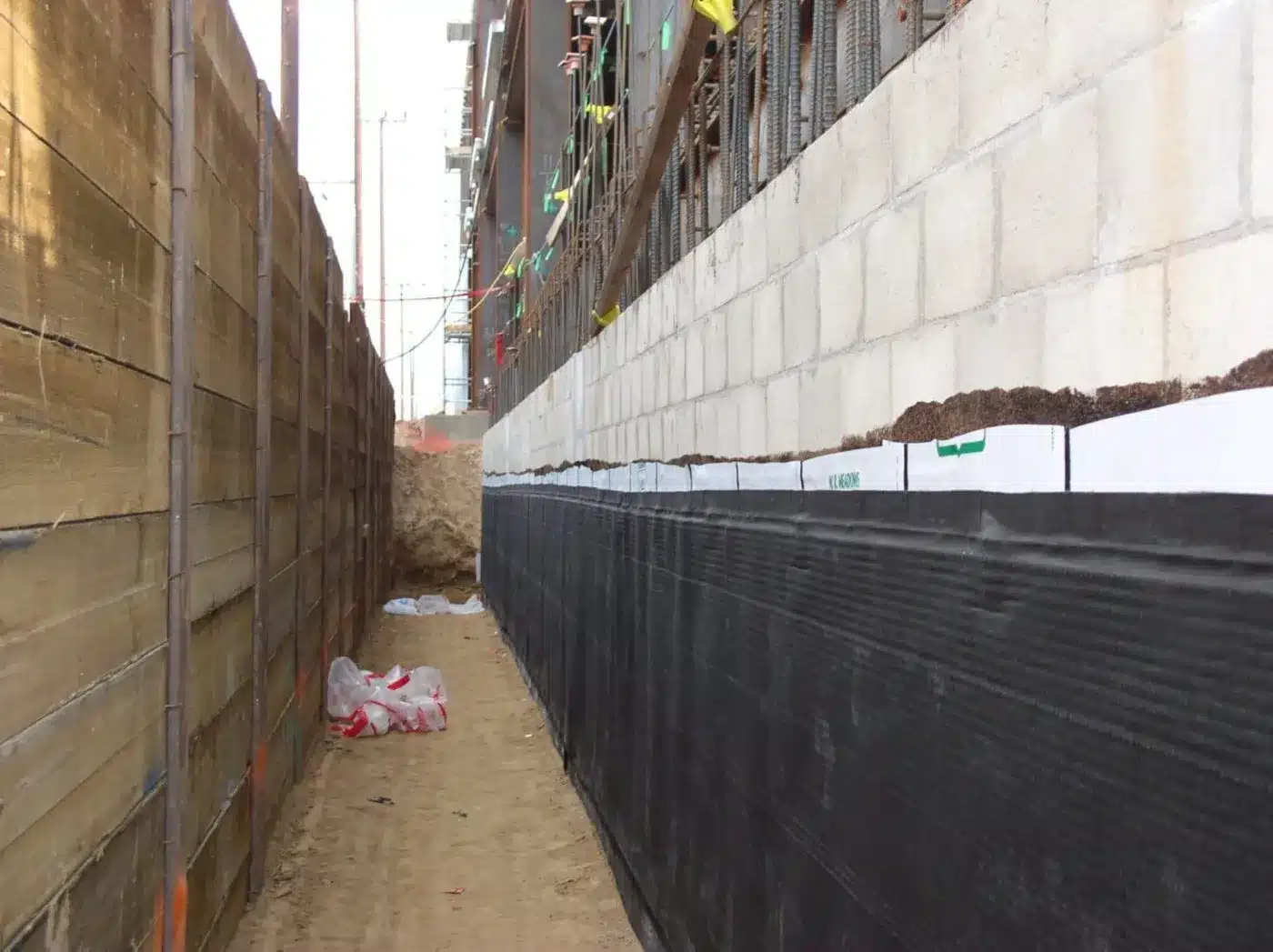
Tunnel construction often faces challenges caused by groundwater infiltration and high underground water pressure. Without an effective drainage system, water accumulation can affect concrete structures, waterproofing membranes, and tunnel durability.
A reliable drainage system collects groundwater and directs it away from tunnel structures. It is installed between surrounding soil or rock and the tunnel lining to create controlled water flow paths.
Unlike conventional drainage materials, geocomposite systems offer a lightweight structure with consistent performance. The combination of a polymer drainage core and filter fabric helps maintain drainage capacity even under long-term pressure conditions.
For tunnel projects, choosing the correct drainage material depends on several factors, including groundwater conditions, installation environment, expected loading, and required service life. Products with high compressive resistance and excellent drainage capacity are preferred for deep underground applications.
For more information about related solutions, engineers can review geocomposite drainage solutions for underground construction to understand different product structures and application methods.
How Do Advanced Drainage Systems Improve Project Performance?
The primary function of drainage geocomposites is to manage water effectively while protecting surrounding structures. By combining separation, filtration, and drainage functions, these materials simplify construction design and improve system reliability.
In landfill projects, the drainage layer prevents liquid accumulation and supports efficient leachate collection. In tunnels and underground structures, it helps reduce water pressure and protects waterproofing systems from damage.
Key performance advantages include:
Efficient Water Flow
The three-dimensional drainage core creates channels that allow water to move quickly under pressure. This design provides stable drainage performance compared with traditional granular materials.
Soil Filtration and Protection
The attached geotextile filter layer prevents fine soil particles from blocking drainage paths. This improves long-term permeability and reduces maintenance requirements.
Space and Installation Efficiency
Geocomposite drainage materials are thinner and lighter than gravel drainage layers. They reduce transportation requirements and allow installation in areas with limited working space.
How to Choose the Right Drainage Material?
Choosing the appropriate drainage product requires understanding project requirements and environmental conditions. Important selection factors include:
- Drainage capacity: The product should provide sufficient water flow according to site conditions and expected hydraulic pressure.
- Mechanical strength: The drainage core must withstand construction loads and long-term compression.
- Filter performance: The geotextile layer should maintain filtration efficiency while preventing clogging.
- Material durability: Polymer materials such as HDPE and polypropylene provide strong resistance against chemicals, moisture, and aging.
Manufacturers with professional geosynthetic experience can provide customized recommendations based on application requirements. Different core structures, thicknesses, and geotextile weights can be designed for specific landfill, tunnel, and infrastructure projects.
Companies searching for reliable materials can explore geosynthetic drainage sheet products for civil engineering applications to compare technical specifications and suitable solutions.
Modern infrastructure projects require drainage systems that provide reliable performance, easy installation, and long service life. Geocomposite drainage sheet technology combines drainage, filtration, and protection functions in one engineered solution.
Whether used in landfills, tunnels, or underground structures, these geosynthetic materials help control water movement, reduce structural risks, and improve project durability. Selecting the right drainage solution from an experienced supplier can ensure better performance and long-term value.


Comments
Post a Comment