Geomembrane Liner Solutions for Environmental Protection Projects
Geomembrane liner is a widely used geosynthetic solution for agriculture, waste management, and environmental protection projects that require reliable liquid containment. With excellent impermeability, chemical resistance, and long service life, it helps contractors and engineers reduce leakage risks while improving project efficiency. Selecting the right supplier is essential to ensure consistent quality, customized specifications, and professional technical support.
What Is a Geomembrane Liner and Why Is It Important?
Geosynthetic containment systems are synthetic waterproof barriers made from polymer materials such as high-density polyethylene (HDPE) and linear low-density polyethylene (LLDPE). They control liquid movement and provide long-term protection in various engineering applications.
Unlike traditional containment methods such as compacted clay or concrete structures, geosynthetic liners offer higher flexibility, easier installation, and better adaptability to complex site conditions. They can create a continuous barrier that helps prevent water loss, chemical leakage, and environmental contamination.
The importance of this material comes from its ability to provide reliable containment while reducing construction time and maintenance requirements. For projects involving water storage, waste treatment, and industrial containment, choosing suitable material properties such as thickness, tensile strength, and chemical resistance is critical for long-term performance.
Manufacturers offering HDPE geomembrane liner solutions can provide customized products based on different engineering requirements, climate conditions, and application environments.
How Does Geomembrane Liner Support Agricultural Projects?
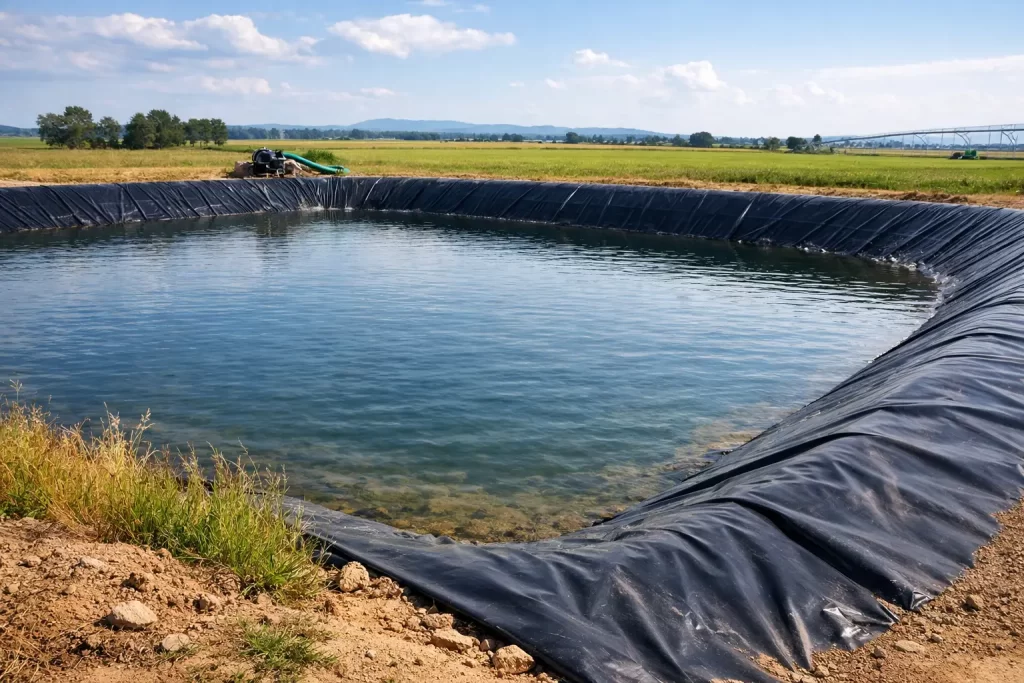
Agriculture is one of the major industries benefiting from advanced geosynthetic technologies. Water conservation has become increasingly important due to climate changes and growing irrigation demands. Agricultural facilities such as reservoirs, irrigation ponds, aquaculture ponds, and wastewater storage areas require effective waterproofing systems.
A properly selected geomembrane liner creates a protective layer between soil and stored water, reducing seepage and improving water utilization efficiency. Compared with traditional methods, it provides better flexibility and can be installed in various terrain conditions.
Common agricultural applications include:
- Irrigation reservoirs and farm ponds
- Aquaculture systems
- Rainwater collection facilities
- Agricultural wastewater treatment areas
- Water storage projects
For agricultural buyers, factors such as UV resistance, material durability, and installation performance should be considered before purchase. Professional suppliers can recommend suitable specifications according to project size and environmental requirements.
Why Are Geosynthetic Barriers Used in Waste Management Projects?
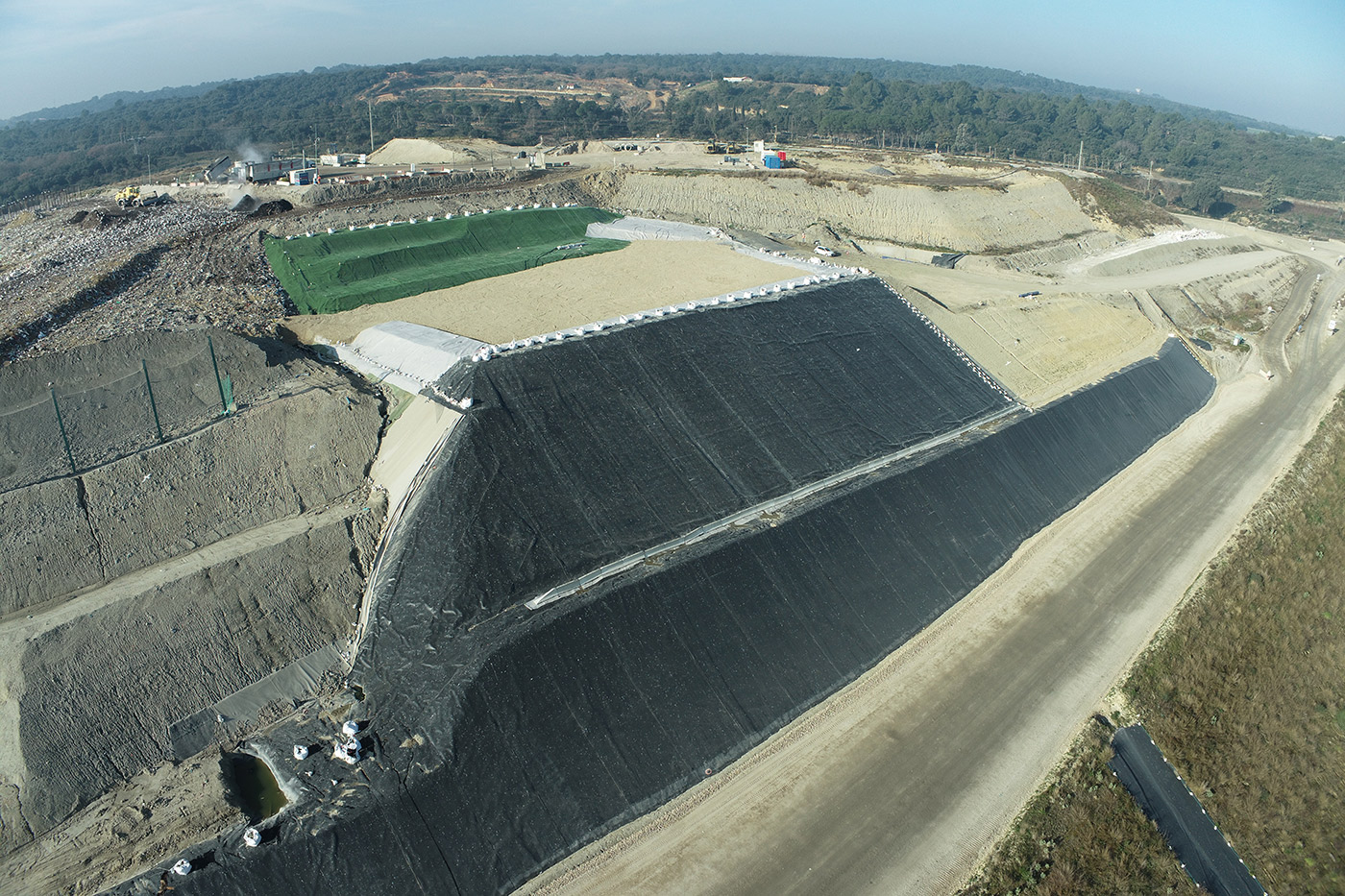
Waste management facilities require reliable containment systems to prevent pollutants from entering surrounding soil and groundwater. Landfills, wastewater treatment plants, mining waste areas, and industrial storage sites commonly use geosynthetic barriers as part of their environmental protection systems.
These materials provide strong resistance to chemicals and external stress. Therefore, they are suitable for demanding applications that require long-term stability.
The main benefits for waste management projects include:
- Preventing hazardous liquid leakage
- Protecting groundwater resources
- Improving landfill safety
- Extending project service life
For large-scale environmental projects, selecting an experienced manufacturer is important. Reliable suppliers can provide technical documents, customized production, and quality control to meet international engineering standards.
Companies searching for landfill geomembrane liner solutions can benefit from working with manufacturers that have experience in global environmental projects.
How to Choose the Right Geomembrane Supplier?
Choosing the correct supplier directly affects project performance and long-term reliability. Buyers should evaluate several factors, including manufacturing capability, quality management systems, product certifications, and technical support.
A professional geosynthetics manufacturer should be able to provide different material options, customized sizes, production consistency, and application guidance. This helps customers select the most suitable solution for agriculture, waste management, mining, and water containment projects.
With increasing demand for sustainable infrastructure, advanced geomembrane liner products for environmental engineering continue to play an important role worldwide. Partnering with an experienced supplier ensures better project outcomes, lower risks, and reliable long-term performance.
Geomembrane technology has become an essential component in modern engineering projects requiring effective containment and environmental protection. From agricultural water management to waste treatment facilities, it provides a durable and flexible solution for controlling leakage and protecting natural resources.
By choosing a reliable manufacturer with strong production capabilities and technical expertise, contractors and distributors can obtain customized geosynthetic solutions that meet different project requirements.


Comments
Post a Comment