Geosynthetic Cementitious Composite Mat in Infrastructure Projects
Geosynthetic cementitious composite mat solutions are increasingly specified by contractors, mining companies, and civil engineers seeking faster installation, reduced labor costs, and long-term erosion protection. For procurement managers evaluating durable lining systems for infrastructure, selecting the right material can significantly improve project efficiency while lowering lifecycle maintenance expenses.
Modern infrastructure projects require protection systems capable of performing under harsh environmental conditions. Compared with traditional poured concrete, geosynthetic technologies provide faster deployment and reduced equipment requirements, making them attractive for large-scale civil engineering applications.
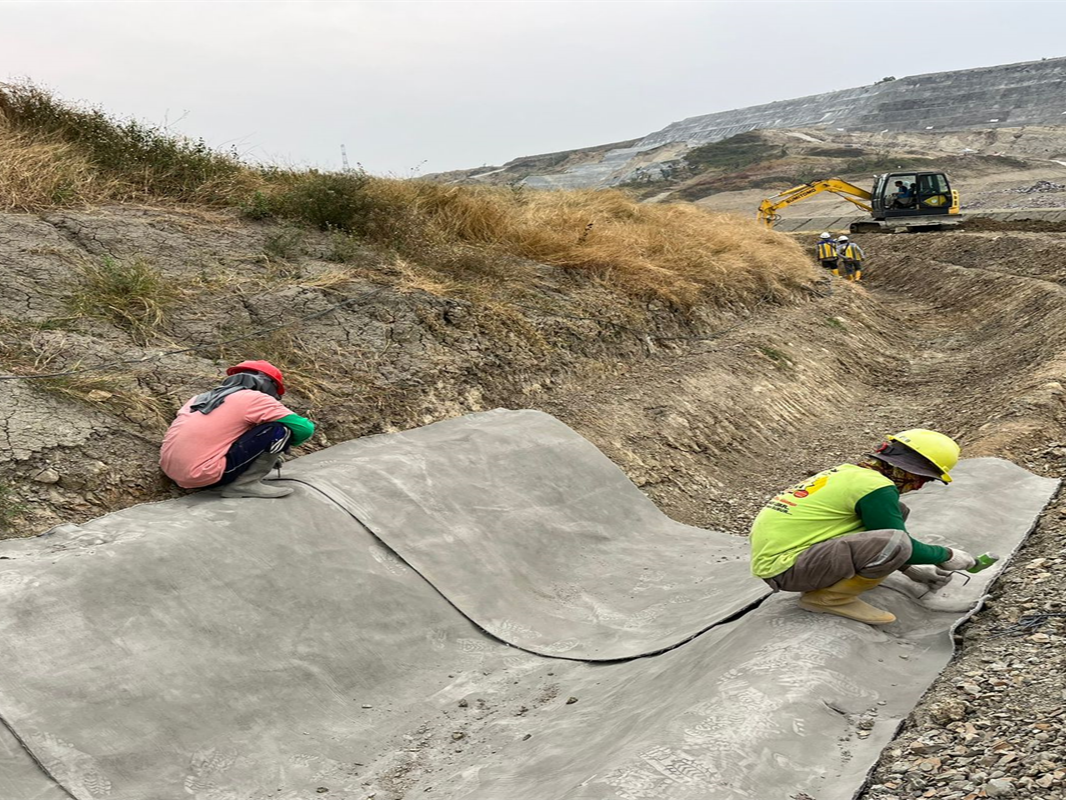
Why Choose Geosynthetic Cementitious Composite Mat for Mining Projects
Mining facilities require durable protection for drainage channels, haul roads, tailings areas, and water diversion structures. Flexible concrete-based lining systems provide a practical alternative where conventional concrete placement is difficult, especially in remote or challenging environments.
Key advantages include:
- Fast installation with minimal labor and equipment
- Excellent abrasion and erosion resistance
- Reduced project downtime
- Lower transportation and logistics costs
- Long-term durability in aggressive environments
Mining contractors often select these systems because they can be installed in challenging terrains while maintaining consistent performance throughout the service life of the asset.
For buyers seeking long-term value, advanced geosynthetic cementitious composite mat solutions for mining drainage systems can significantly reduce maintenance frequency and operational interruptions.
Geosynthetic Cementitious Composite Mat for Riverbank Erosion Protection
Riverbank erosion continues to threaten infrastructure, agricultural land, and surrounding ecosystems worldwide. Properly designed erosion protection systems can stabilize slopes quickly and provide dependable long-term performance.
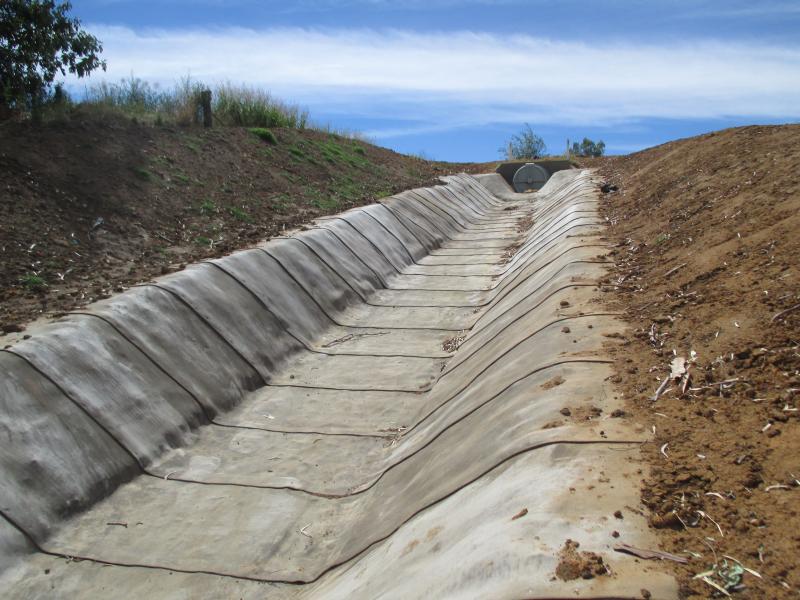
Unlike traditional riprap or cast-in-place concrete, these engineered materials conform closely to the ground surface, reducing underflow and minimizing installation complexity. They are widely used in:
- Riverbank stabilization
- Canal lining
- Flood control infrastructure
- Stormwater channels
- Coastal protection projects
Many project owners now prioritize sustainable solutions that balance engineering performance with environmental considerations. engineered geosynthetic cementitious composite mat systems for riverbank protection have become a preferred option due to their rapid installation and reduced environmental footprint.
Key Procurement Considerations
When selecting an infrastructure protection system, buyers should evaluate several important factors.
Material Quality and Certifications
Ensure the supplier provides internationally recognized quality certifications and detailed technical specifications. Consistent manufacturing quality directly affects field performance and service life.
Manufacturing Capacity
Reliable manufacturers should demonstrate stable production capabilities, enabling timely delivery for both standard and customized orders.
Technical Support
Comprehensive engineering assistance is essential for project success. Buyers should prioritize suppliers offering design recommendations, installation guidance, and after-sales support.
Additionally, selecting customized geosynthetic cementitious composite mat products for infrastructure projects allows contractors to optimize project performance according to site-specific conditions.
Global investment in mining, water management, and transportation infrastructure is expected to continue growing. As owners increasingly seek solutions that reduce installation time and maintenance costs, demand for advanced cementitious geosynthetic systems is projected to rise steadily.
Manufacturers capable of delivering high-quality products, technical expertise, and responsive customer service will be well positioned to support the evolving needs of international infrastructure markets.


Comments
Post a Comment