Geocomposite Wall Drain Applications in Civil Engineering
Geocomposite wall drain solutions are widely specified by contractors, engineers, and project owners who need reliable groundwater management behind retaining walls and transportation infrastructure. By replacing thick aggregate drainage layers, these geosynthetic systems help reduce installation time, save space, and improve long-term drainage performance in a variety of construction projects.
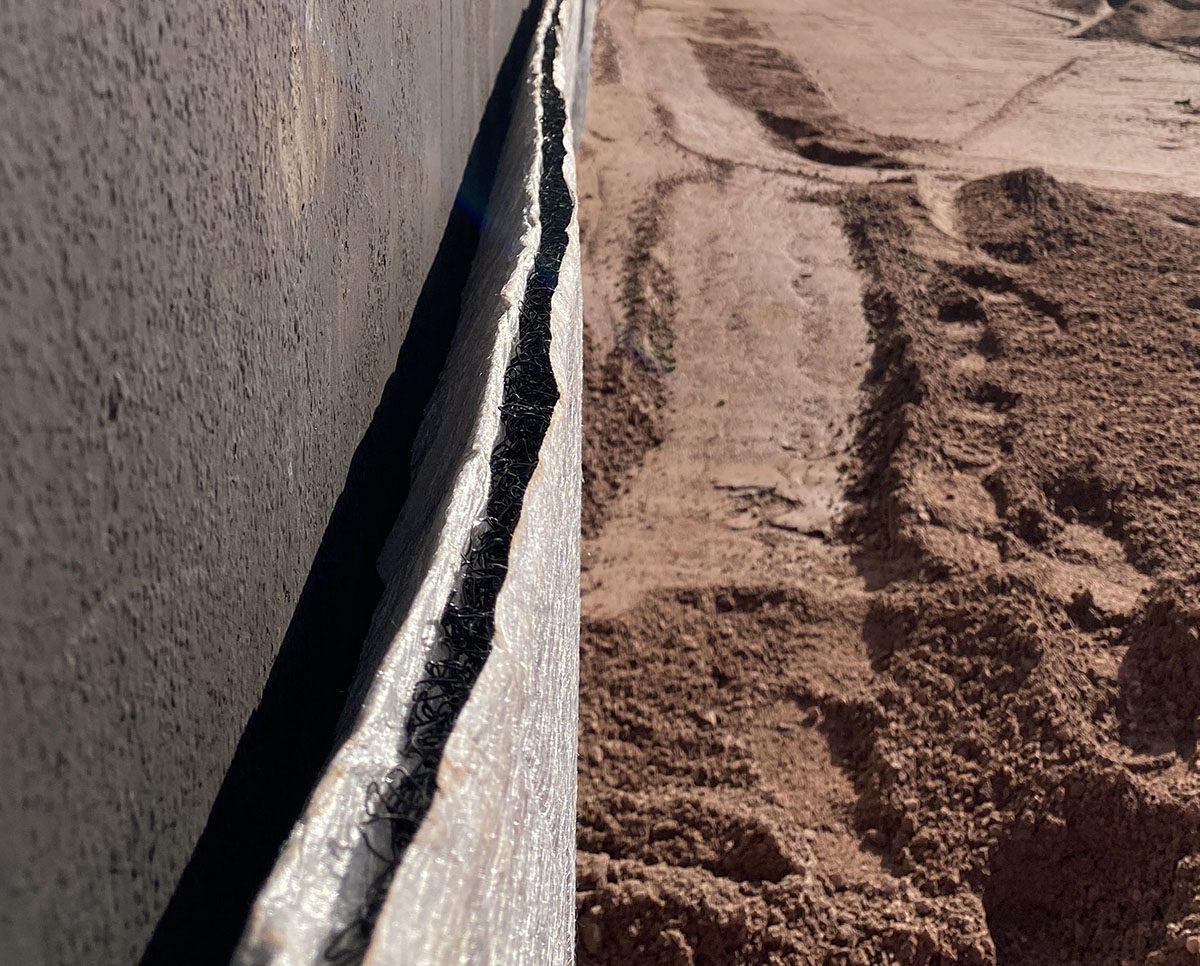
Why Choose a Geocomposite Wall Drain for Retaining Walls?
Retaining walls are constantly exposed to groundwater pressure. When water accumulates behind a structure, hydrostatic pressure increases. Over time, this can lead to cracking, deformation, or even structural instability.
Modern drainage systems combine a polymer drainage core with a geotextile filter layer. The filter fabric allows water to pass through while preventing soil particles from entering the drainage channel. As a result, the system remains effective for longer periods.
Compared with traditional gravel-based drainage methods, these solutions require less excavation and significantly reduce the amount of backfill material needed. They also provide consistent drainage performance and are easier to install in confined spaces.
Many engineers prefer geocomposite wall drain solutions for retaining wall drainage because they provide consistent flow capacity and are easier to install in confined construction areas. This makes them particularly suitable for urban infrastructure, bridge abutments, and mechanically stabilized earth (MSE) walls.
Geocomposite Wall Drain in a Highway Expansion Project
A highway widening project in California, USA, required the construction of multiple reinforced retaining walls along a busy transportation corridor. The project site experienced seasonal groundwater fluctuations and had limited space for traditional drainage aggregate installation.
To overcome these challenges, engineers installed prefabricated drainage panels directly against the retaining wall surfaces. The system collected groundwater and directed it to perforated collector pipes located at the base of each wall.
The results were significant. Installation time was reduced because large quantities of drainage stone were no longer required. Transportation costs also decreased due to fewer aggregate deliveries. Most importantly, the drainage system effectively controlled water pressure behind the retaining walls during periods of heavy rainfall.
Today, many transportation agencies use geocomposite wall drain systems for highway infrastructure to improve drainage efficiency while reducing construction complexity and long-term maintenance requirements.
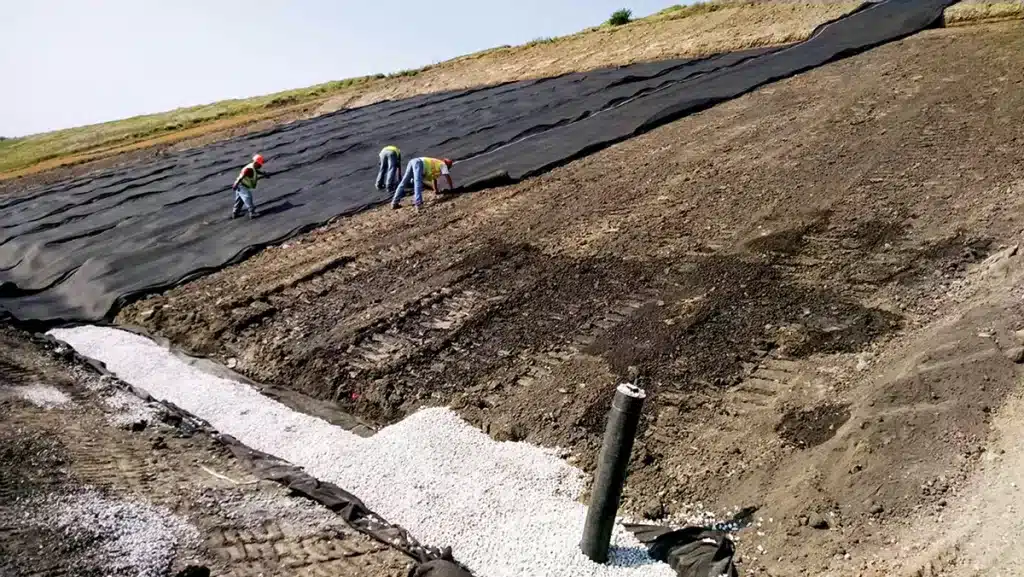
How Modern Drainage Systems Improve Project Performance
Today's infrastructure projects require solutions that balance performance, cost efficiency, and sustainability. Advanced drainage products help achieve these goals in several ways.
First, the lightweight design simplifies handling and installation. Contractors can cover large wall surfaces quickly, helping projects stay on schedule. Second, the drainage core maintains a continuous water flow path even under significant soil loading conditions. Third, the geotextile filtration layer helps prevent soil intrusion, reducing the likelihood of drainage system clogging over time.
These benefits have led to increasing adoption across commercial developments, railway projects, tunnels, landfills, and transportation infrastructure worldwide. In many cases, engineers integrate drainage composites with waterproofing systems to create a comprehensive groundwater management solution.
For projects requiring long-term durability, many designers specify engineered geocomposite wall drain products that meet strict hydraulic and mechanical performance standards.
Future Trends in Infrastructure Drainage
The global geosynthetics market continues to grow as governments invest in infrastructure modernization and climate-resilient construction. Effective water management has become a critical factor in ensuring the longevity of retaining walls, roads, and underground structures.
Manufacturers continue to improve drainage core designs, increase flow capacity, and enhance filtration performance. Consequently, new generations of drainage products are expected to deliver even better results in challenging site conditions.
Whether used in retaining wall construction, highway expansion projects, or underground infrastructure developments, geocomposite drainage systems provide a proven and cost-effective solution for groundwater control. Their ability to reduce hydrostatic pressure, accelerate installation, and improve long-term performance makes them an increasingly valuable component of modern civil engineering projects.
A geocomposite wall drain is an effective geosynthetic solution for managing groundwater behind retaining walls and transportation infrastructure. Real-world projects have demonstrated its ability to reduce construction costs, simplify installation, and maintain reliable drainage performance over the long term. As infrastructure requirements continue to evolve, geocomposite drainage systems will remain an important tool for engineers seeking durable and efficient water management solutions.


Comments
Post a Comment