Biaxial Geogrid for Road and Retaining Wall Reinforcement
Biaxial geogrid is one of the most effective geosynthetic reinforcement materials for modern infrastructure projects. Whether you are sourcing materials for retaining walls, mine haul roads, highways, or industrial pavements, choosing the right reinforcement system directly affects project durability, construction efficiency, and lifecycle costs. This article explores real engineering applications and explains why reinforced soil systems have become a trusted solution for civil engineering projects worldwide.
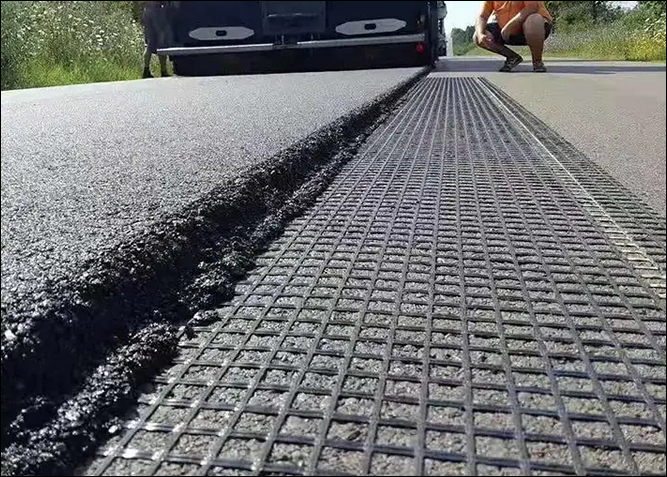
Why Biaxial Geogrid Is Essential for Ground Reinforcement
Ground stabilization is one of the biggest challenges in civil engineering. Weak foundations, repeated traffic loads, and long-term settlement can lead to pavement damage and structural failure. A properly designed reinforcement system locks aggregate in place and distributes loads more evenly across the foundation. As a result, it improves structural performance and reduces stress on the underlying soil.
Compared with conventional stabilization methods, reinforced soil systems offer several important advantages:
- Higher bearing capacity
- Reduced rutting and settlement
- Lower aggregate consumption
- Faster installation
- Reduced maintenance costs
- Longer pavement service life
For contractors seeking reliable reinforcement systems, our biaxial geogrid solutions for infrastructure projects provide engineered performance across a wide range of soil conditions.
Biaxial Geogrid Case Study – Retaining Wall Construction
Retaining walls depend on stable backfill reinforcement to resist lateral earth pressure and maintain structural integrity. Engineers typically install reinforcement layers between compacted soil lifts. This approach improves stability and strengthens the entire wall structure.
A recent retaining wall project supporting a highway embankment utilized multiple geogrid reinforcement layers. The reinforcement minimized horizontal displacement, improved load transfer, and significantly reduced long-term settlement. Compared with conventional reinforced soil structures, the project required less maintenance after completion while providing excellent structural performance under varying weather conditions.
Project benefits included:
- Increased wall stability
- Improved load distribution
- Reduced soil movement
- Extended design life
- Lower lifecycle maintenance costs
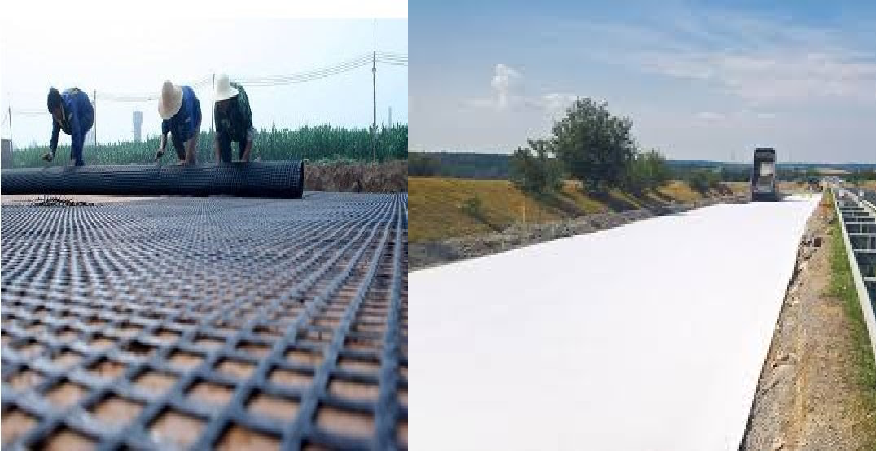
Case Study – Mine Haul Road Reinforcement
Mine haul roads are exposed to constant heavy truck traffic. Without proper ground support, these roads often develop deep ruts and require frequent repairs. To solve this problem, engineers reinforced the aggregate base and combined it with a nonwoven separation layer. This design improved confinement and prevented aggregate from mixing with weak subgrade soils.
The completed project produced significant performance improvements. Road maintenance became less frequent, while vehicle stability increased under heavy loading conditions. In addition, the project reduced operational downtime and improved overall efficiency.
The project achieved measurable improvements:
- Reduced aggregate thickness requirements
- Lower maintenance frequency
- Better vehicle stability
- Reduced operational downtime
- Longer service life for haul roads
For demanding heavy-duty applications, learn more about biaxial geogrid for mining road stabilization to optimize pavement performance and reduce operating costs.
Choosing the Right Reinforcement Solution
Selecting the appropriate reinforcement system depends on several engineering factors. Designers should evaluate soil strength, traffic loads, aggregate size, environmental conditions, and the required service life before making a decision.
Key considerations include:
- Tensile strength requirements
- Aperture dimensions
- Junction strength
- Polymer material quality
- Installation environment
- Applicable engineering standards
Working with an experienced geosynthetics manufacturer ensures that reinforcement specifications match project requirements while complying with international testing standards.
If your project involves highways, logistics parks, retaining walls, mining roads, or industrial pavements, contact our biaxial geogrid engineering specialists for technical recommendations and customized solutions.
From retaining wall reinforcement to heavy-duty mining roads, biaxial geogrid continues to demonstrate outstanding engineering performance in infrastructure projects worldwide. By improving aggregate interlock, increasing bearing capacity, and extending pavement life, it provides measurable economic and structural benefits. By selecting high-quality geosynthetic solutions, engineers and contractors can build stronger, more durable infrastructure while improving construction efficiency and long-term performance.


Comments
Post a Comment