Geogrid Reinforcement Solutions for Infrastructure Projects
Geogrid reinforcement is a proven solution for buyers seeking stronger soil stabilization, reduced material costs, and longer-lasting infrastructure performance. Whether you are sourcing for roads, retaining walls, or slope protection, selecting the right geosynthetic directly impacts project durability and ROI.
Geogrid Reinforcement in Road Construction
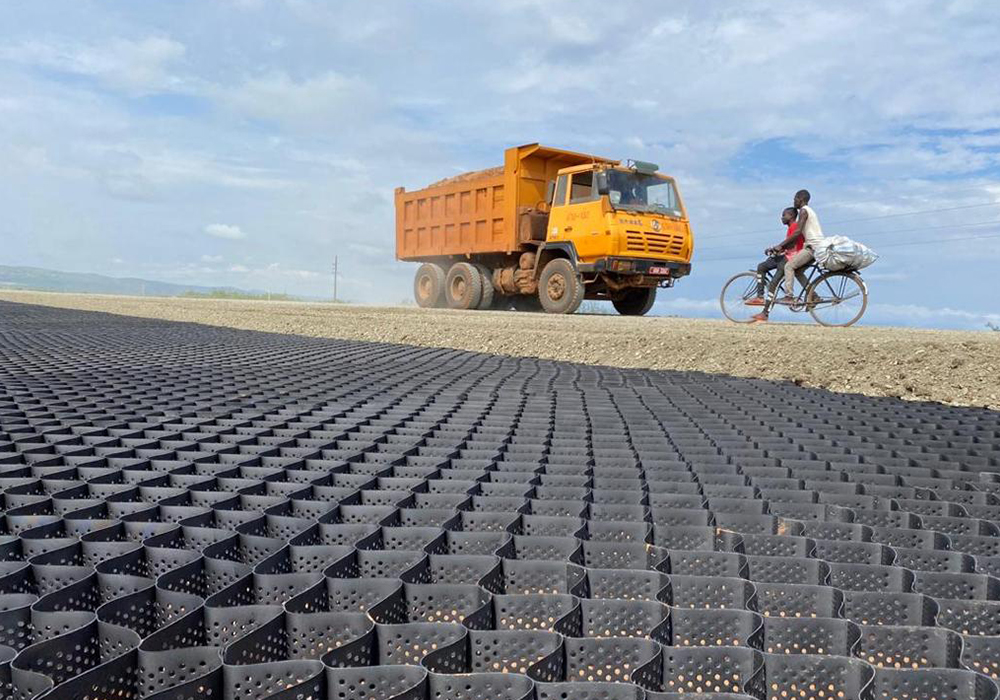
In road engineering, geogrid reinforcement plays a critical role in improving subgrade performance and reducing structural failures. By interlocking with aggregates, it creates a stable base layer that distributes loads efficiently.
- Reduces rutting and surface deformation
- Minimizes aggregate loss and maintenance cycles
- Enhances pavement lifespan under heavy traffic
Contractors often choose geogrid reinforcement systems for road base stabilization because they lower overall project costs while maintaining structural integrity.
Geogrid Reinforcement for Retaining Walls and Slopes
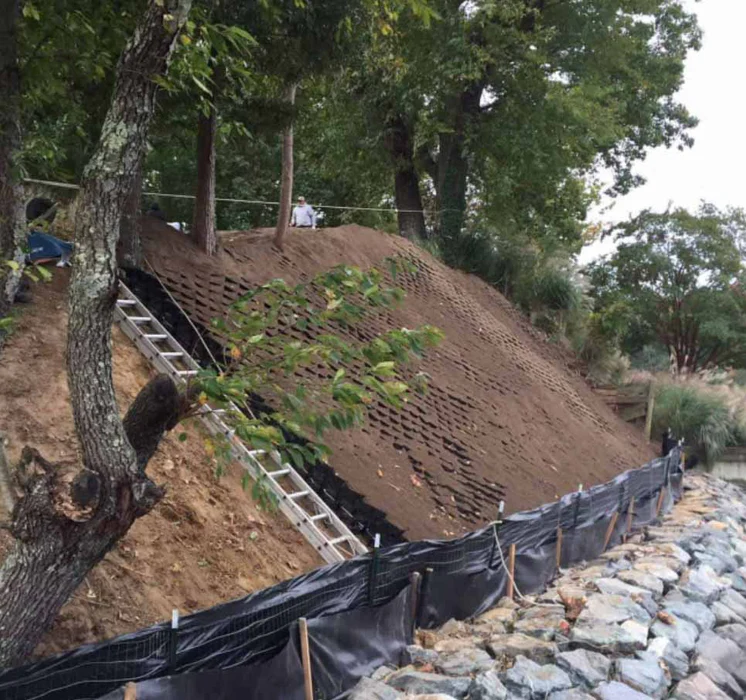
For retaining walls and slope applications, geogrid reinforcement provides tensile strength that soil alone cannot achieve. It forms a reinforced soil mass that resists pressure and prevents collapse.
- Improves slope stability in steep terrains
- Prevents soil erosion and lateral movement
- Supports long-term structural safety
Engineers rely on geogrid reinforcement applications in retaining wall systems to ensure both safety and compliance with design standards.
Why Choose Geogrid Reinforcement for Your Project?
Choosing geogrid reinforcement is not just a technical decision—it is a cost-efficiency strategy. Compared to traditional methods, geogrids reduce material usage and construction time.
Key advantages:
- Lower aggregate thickness requirements
- Faster installation with minimal labor
- Reduced long-term maintenance costs
- High tensile strength and durability
Many procurement teams prefer high-performance geogrid reinforcement materials for infrastructure due to their consistent quality and predictable performance.
Installation Process and Efficiency
UThe installation of geogrid reinforcement is straightforward, making it ideal for large-scale projects with tight deadlines.
Basic steps include:
- Prepare and level the subgrade
- Roll out the geogrid evenly
- Overlap and secure joints
- Add and compact aggregate layers
This efficient process ensures rapid deployment without compromising structural reliability.
How to Select the Right Geogrid Reinforcement
UNot all geogrids are the same. Selecting the correct geogrid reinforcement depends on project requirements such as load conditions, soil type, and environmental factors.
Consider the following:
- Tensile strength and aperture size
- Material type (uniaxial or biaxial)
- Project-specific engineering requirements
- Supplier reliability and technical support
Working with a trusted manufacturer ensures that your geogrid reinforcement solution meets both performance and compliance standards.
Investing in geogrid reinforcement ensures stronger foundations, reduced costs, and long-term performance. For contractors, engineers, and procurement managers, it is a reliable solution that delivers measurable results.
👉 Contact Geofantex today to request specifications, samples, or a customized quotation tailored to your project.


Comments
Post a Comment