Geosynthetic Cementitious Composite Mat Applications in Infrastructure
Geosynthetic cementitious composite mat solutions are increasingly selected by engineers and contractors seeking fast installation, long-term durability, and reduced maintenance in canal lining and slope protection projects. This material directly addresses procurement needs for cost-efficient, high-performance geosynthetics in water conservancy and civil infrastructure.
What is a Geosynthetic Cementitious Composite Mat?
A geosynthetic cementitious composite mat (GCCM) is a flexible, roll-based material combining geotextiles with a dry cementitious layer that hardens when hydrated. Once deployed, it forms a thin, durable concrete layer that adheres closely to ground surfaces.
Compared to traditional concrete systems, this technology reduces construction complexity and accelerates project timelines. For buyers evaluating options, a comprehensive guide to geosynthetic cementitious composite mat selection can clarify thickness, strength, and backing requirements based on site conditions.
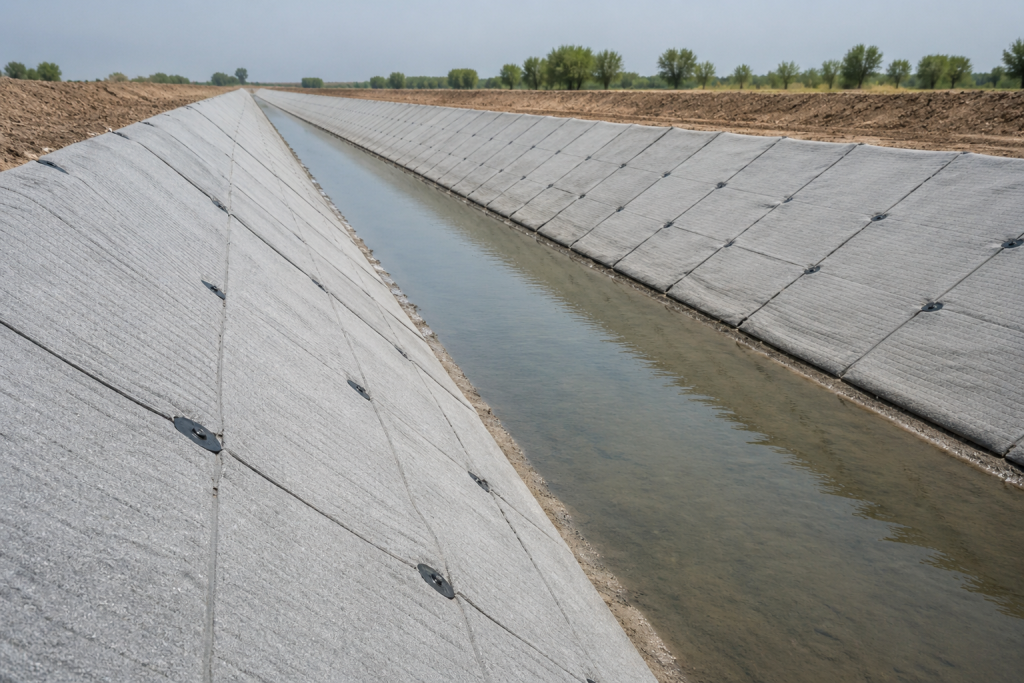
Geosynthetic Cementitious Composite Mat for Canal Lining
Canal lining is one of the most established applications of geosynthetic cementitious composite mat systems. These mats create an impermeable barrier that minimizes seepage and improves water efficiency.
Case Example: Irrigation Canal Rehabilitation
In large-scale irrigation networks such as those in arid regions, water loss due to seepage can exceed 20%. By installing a geosynthetic cementitious composite mat lining, contractors achieved:
- Rapid installation without heavy machinery
- Significant reduction in water loss
- Lower lifecycle maintenance costs
For procurement teams, understanding how to choose a geosynthetic cementitious composite mat for canal lining projects ensures optimal performance in varying soil and hydraulic conditions.
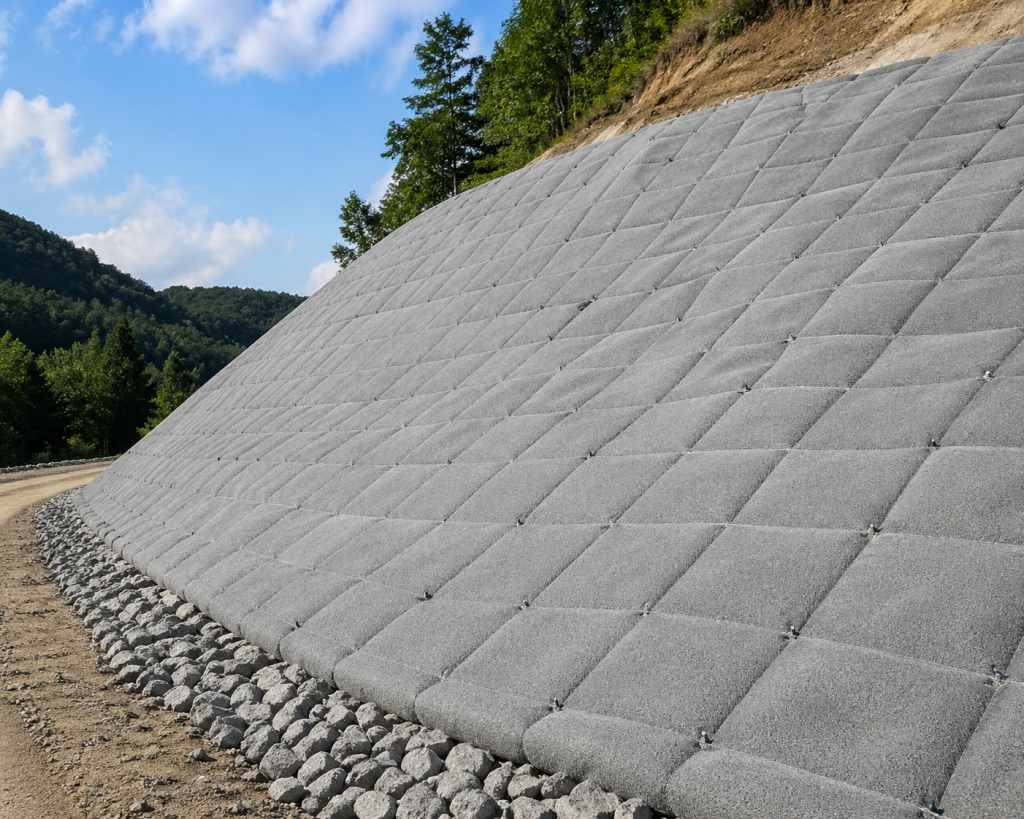
Geosynthetic Cementitious Composite Mat for Slope Protection
Slope stabilization is another critical application where geosynthetic cementitious composite mat delivers measurable engineering benefits. The material conforms to uneven terrain, creating a continuous protective layer against erosion.
Case Study: Highway Embankment Protection
In a highway expansion project, steep embankments were vulnerable to rainfall-induced erosion. The use of a geosynthetic cementitious composite mat system resulted in:
- Immediate surface stabilization
- Resistance to runoff and weathering
- Reduced need for ongoing repairs
Engineers often refer to best practices for installing geosynthetic cementitious composite mat on slopes to ensure proper anchoring and hydration for long-term durability.
Performance Advantages in Engineering Projects
Across both canal and slope applications, geosynthetic cementitious composite mat products offer consistent advantages:
- Speed: Installation is significantly faster than cast-in-place concrete
- Flexibility: Easily conforms to complex geometries
- Durability: مقاistant to UV, chemicals, and environmental stress
- Cost Efficiency: Lower labor and maintenance costs over the lifecycle
These benefits make the geosynthetic cementitious composite mat an increasingly preferred solution in infrastructure tenders and EPC projects.
Procurement Considerations for Buyers
When sourcing a geosynthetic cementitious composite mat, decision-makers should evaluate:
- Material thickness and strength class
- Backing type (PVC or geomembrane integration)
- Roll size and logistics efficiency
- Supplier technical support and project experience
Balancing these factors ensures the selected product meets both engineering specifications and budget constraints.
The geosynthetic cementitious composite mat has become a strategic material in modern geotechnical engineering, particularly for canal lining and slope protection. With proven case performance, simplified installation, and strong durability, it aligns closely with current infrastructure demands for efficiency and sustainability.


Comments
Post a Comment