Building Strong Foundations: The Significance of Moisture Barriers
Retaining walls play a crucial role in landscaping and construction, but moisture intrusion can compromise their stability over time. In this article, we’ll explore the significance of a retaining wall moisture barrier, answering common questions and providing insights into its importance in preserving the integrity of retaining wall structures.
What is a retaining wall moisture barrier?
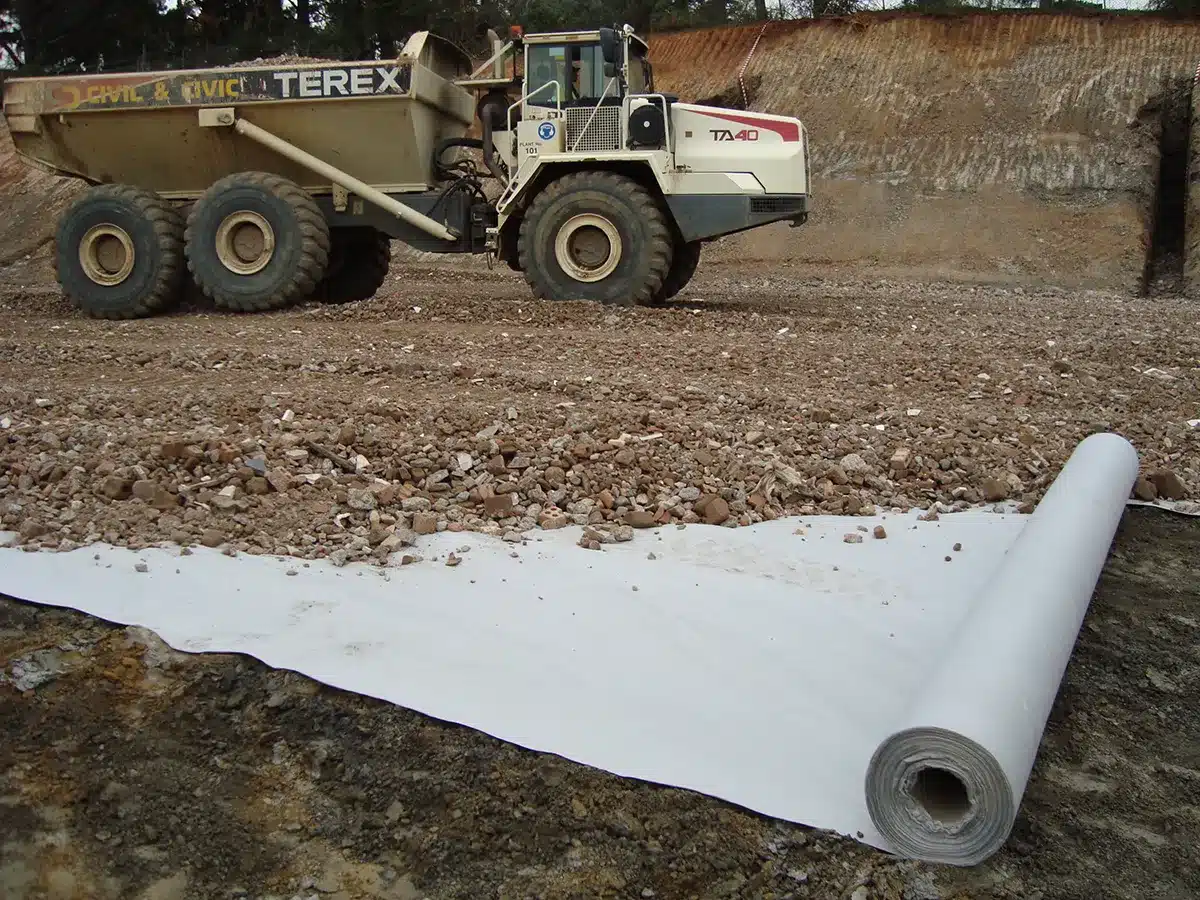
A retaining wall moisture barrier is a waterproofing membrane or material installed behind a retaining wall to prevent moisture from seeping into the wall structure. It helps maintain the stability and longevity of the retaining wall by minimizing the effects of water infiltration.
Why is a moisture barrier essential for retaining walls?
Moisture intrusion can weaken retaining walls over time, leading to structural issues such as erosion, cracking, and bulging. A moisture barrier acts as a protective layer, preventing water from reaching the backfill material and mitigating potential damage caused by hydrostatic pressure.
What materials are commonly used for retaining wall moisture barriers?
Common materials used for retaining wall moisture barriers include:
- Rubberized asphalt membranes
- Polyethylene sheeting
- Bentonite clay panels
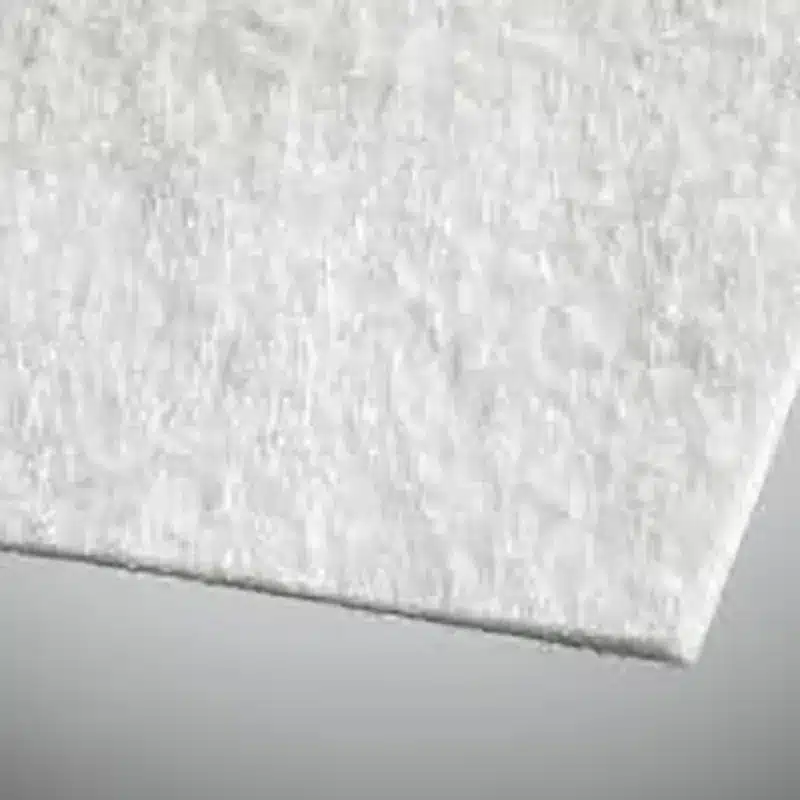
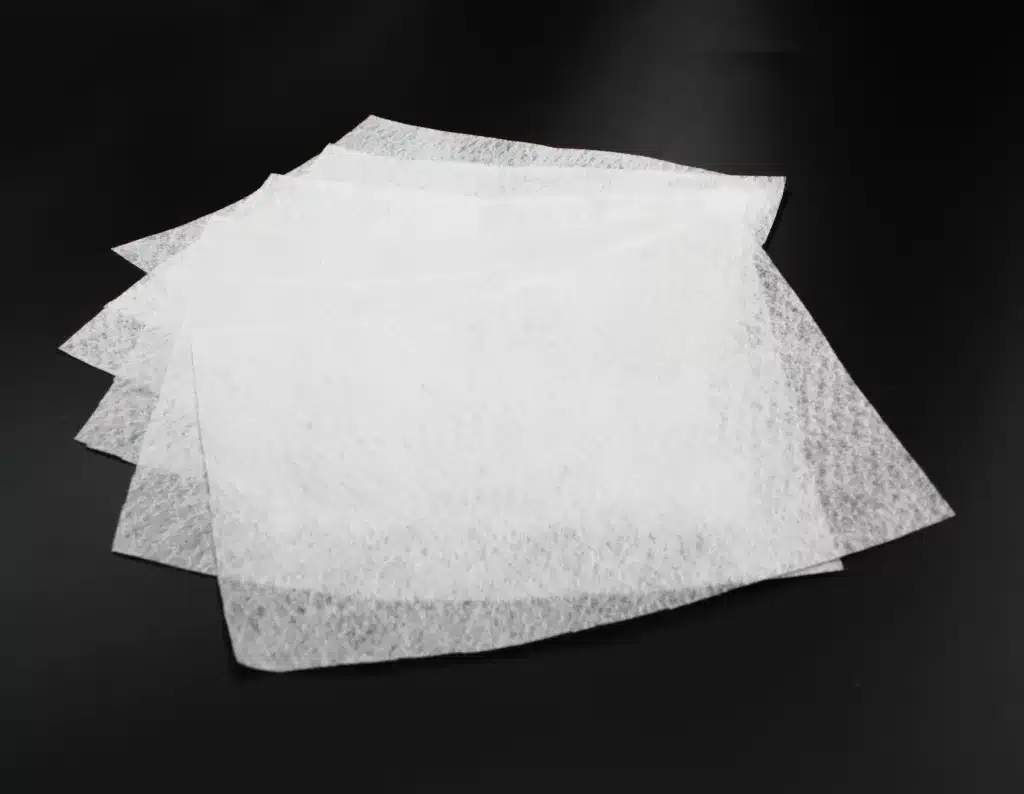
- Geotextile fabrics
- Liquid-applied waterproofing coatings
What are the benefits of using a moisture barrier in retaining walls?
The benefits of using a moisture barrier in retaining walls include:
- Preventing water infiltration, which reduces the risk of structural damage.
- Extending the lifespan of the retaining wall by protecting against moisture-related deterioration.
- Minimizing maintenance requirements and associated costs.
- Enhancing the overall stability and performance of the retaining wall structure.
A retaining wall moisture barrier is a vital component in ensuring the longevity and stability of retaining wall structures. Preventing moisture infiltration and associated damage helps preserve the integrity of the wall, reducing the need for costly repairs and maintenance. Understanding the importance of a moisture barrier and selecting the appropriate materials and installation methods are key steps in maximizing the effectiveness of retaining wall construction.



Comments
Post a Comment