Enhancing Road Durability with Geocomposite Materials
In the realm of road construction and maintenance, the integration of innovative materials is pivotal for enhancing durability and performance. Among these, using a geocomposite for paved roads has emerged as a game-changer. This article delves into the specifics of geocomposite materials, examining their role, benefits, and application in road construction. We will explore the various geosynthetic materials used in roads, address common questions, and provide insights into why geocomposites are becoming an indispensable part of modern road infrastructure.
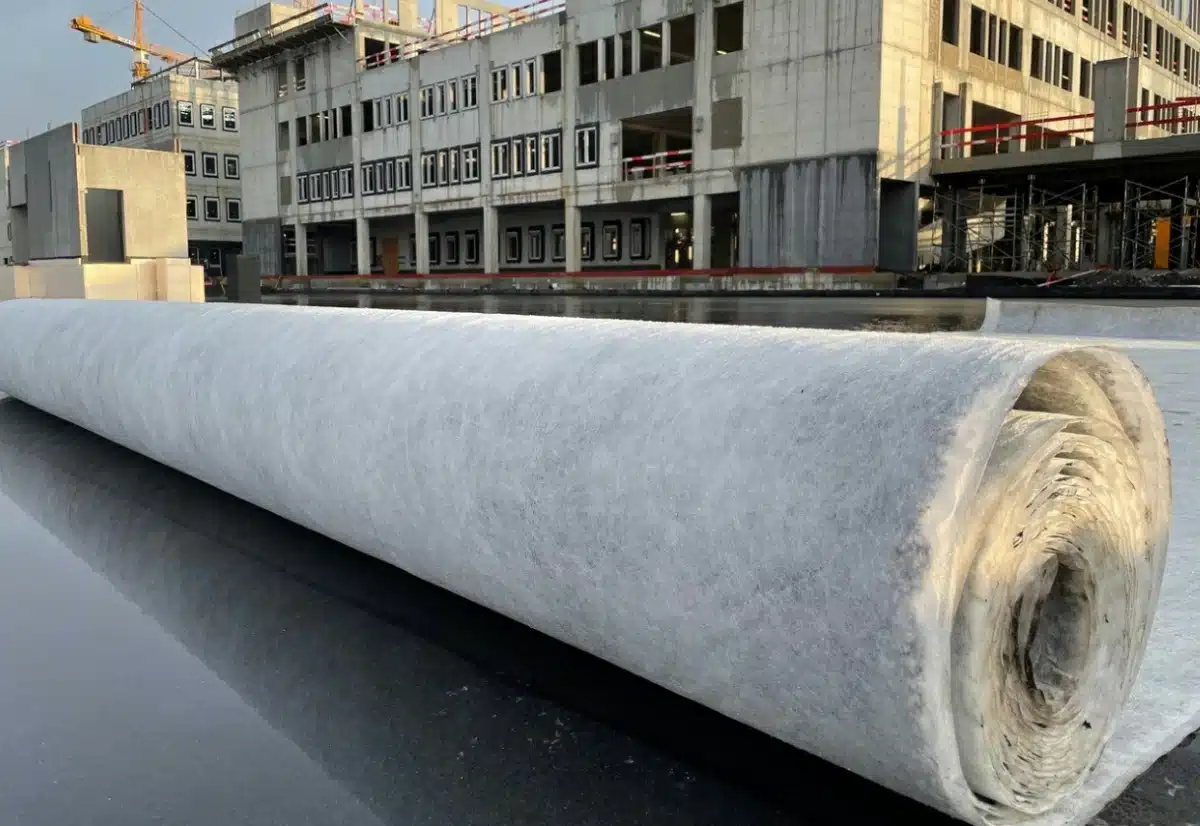
What are the geosynthetic materials used in roads?
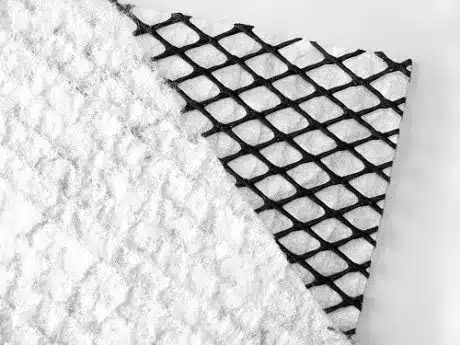
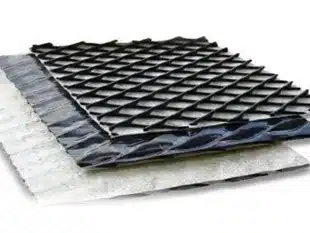
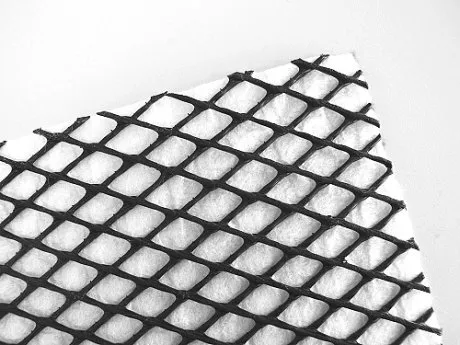
Geosynthetic materials in road construction encompass a wide range, including geotextiles, geogrids, geonets, geomembranes, geosynthetic clay liners, geofoam, geocells, and geocomposites. Geotextiles, known for their permeable fabric, are utilized for filtration and separation purposes. Geogrids are instrumental in providing reinforcement, thereby enhancing the load-bearing capacity of the road. Geonets serve a crucial role in drainage, and geomembranes are employed as barriers to prevent contamination. Additionally, geosynthetic clay liners are used for their sealing properties, geofoam for lightweight fill, and geocells for soil stabilization. Geocomposites, which combine two or more of these materials, offer a comprehensive solution by addressing reinforcement, drainage, filtration, and separation in a single product.
What are the Requirements for Using Geocomposite on Paved Roads?
- Quality Standards: Geocomposites used in road construction must meet specific industry standards for durability, strength, and environmental resistance.
- Proper Installation: Skilled labor and adherence to manufacturer guidelines are crucial for the effective installation of geocomposites.
- Site Assessment: A thorough evaluation of the site, including soil type, drainage conditions, and traffic load, is essential to determine the appropriate type of geocomposite.
- Maintenance Plan: Regular maintenance schedules should be established to ensure the longevity and performance of the geocomposite material.
- Environmental Considerations: The selection of geocomposites should also consider environmental impact, ensuring materials are eco-friendly and sustainable.
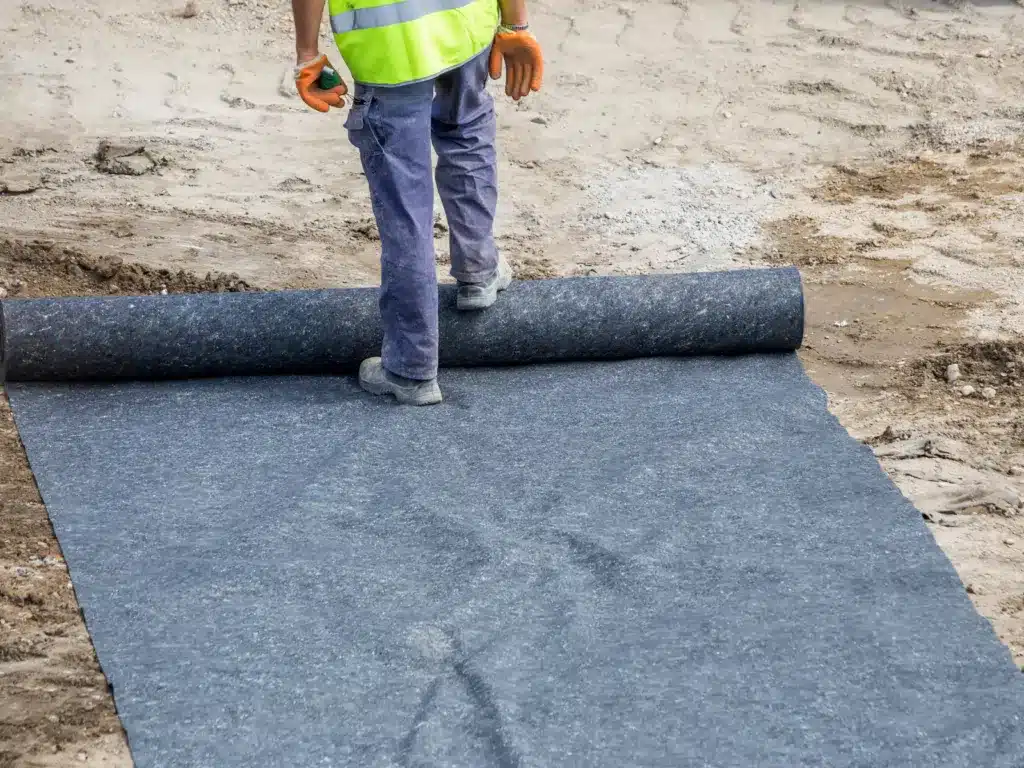
How does a geocomposite enhance the durability of paved roads?
A geocomposite enhances the durability of paved roads primarily through reinforcement and improved drainage. By distributing loads more evenly and preventing soil movement, geocomposites reduce the likelihood of rutting and cracking. Their drainage capabilities also prevent water accumulation, a major cause of pavement deterioration. This leads to a longer lifespan for the road, reduced maintenance needs, and better overall performance.
Can geocomposites be used in all types of road construction?
Geocomposites are versatile and can be used in various types of road construction, including highways, urban roads, and access roads. However, their application depends on the specific requirements of the project, such as load-bearing capacity, soil type, and environmental conditions. It’s essential to consult with a civil engineer or a geotechnical expert to determine the suitability of geocomposites for a particular project.
In conclusion, the use of a geocomposite for paved roads offers a multifaceted solution to common road construction challenges. By enhancing durability, ensuring sustainability, and adapting to various project needs, geocomposites represent a significant advancement in modern road construction and maintenance practices.


Comments
Post a Comment