Geotextiles and Geomembranes: Engineering and Material Selection Trends
Geotextiles and geomembranes play an essential role in modern infrastructure, water management, mining, and environmental protection projects. Industry trends increasingly emphasize application-specific material selection, integrated geosynthetic systems, long-term durability, and installation efficiency rather than initial material costs alone.
For engineers, contractors, importers, and procurement professionals, these developments influence technical specifications, supplier evaluation, and purchasing decisions. Understanding these requirements helps buyers select suitable materials while managing construction risks and overall project costs.
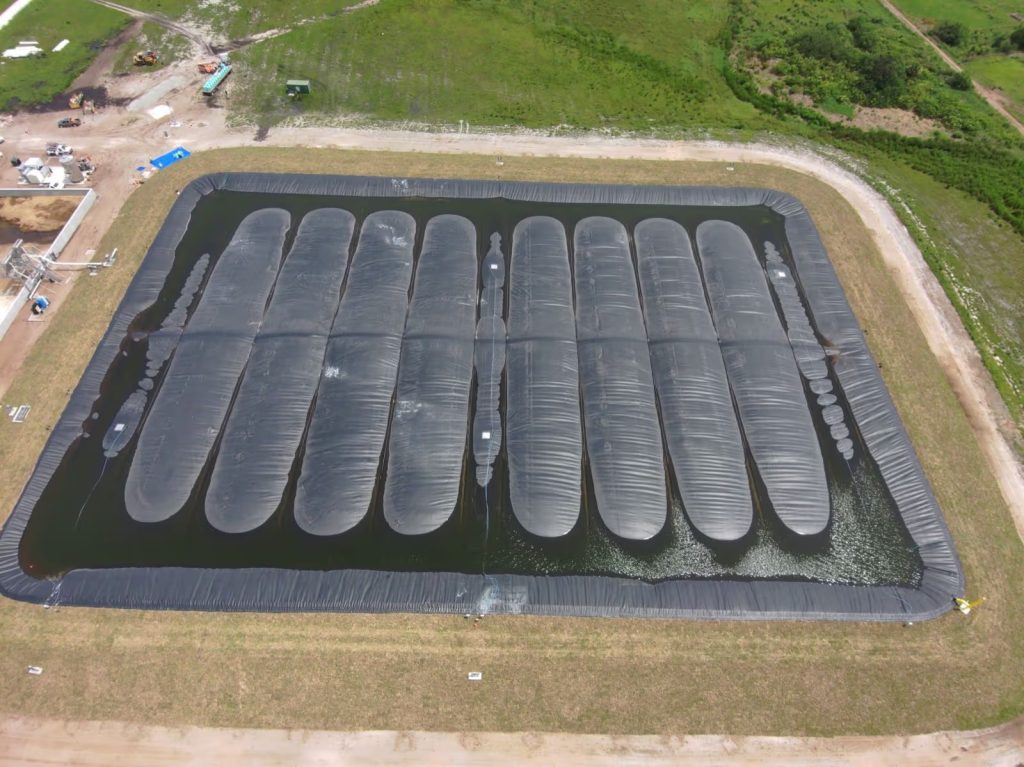
How Are Geotextiles and Geomembranes Being Specified?
Performance-based material selection is an important trend in geosynthetic engineering. Engineers evaluate geotextiles based on tensile strength, puncture resistance, permeability, and filtration characteristics, while geomembrane selection takes into account chemical resistance, flexibility, thickness, and long-term durability.
Rather than relying solely on mass per unit area or thickness, project teams should evaluate technical specifications for geotextiles and geomembranes against actual site conditions and engineering requirements. Procurement professionals should also review technical data sheets, relevant test results, and manufacturing quality control documentation before confirming orders. This approach supports more informed material selection and reduces the risk of material incompatibility.
Why Are Integrated Geosynthetic Systems Important?
Water conservation, hydraulic engineering, and environmental containment projects often require multiple geosynthetic materials to perform complementary functions. Geotextiles provide separation, filtration, drainage, or protection, while geomembranes serve as low-permeability barriers to control liquid migration.
When selecting geotextiles and geomembranes for hydraulic engineering, project teams should consider subgrade conditions, hydraulic pressure, interface stability, and installation requirements. In reservoirs, irrigation canals, and water containment facilities, properly designed protective layers can help reduce the risk of geomembrane damage. Coordinating material specifications and delivery schedules during project planning can also improve construction efficiency and simplify procurement.
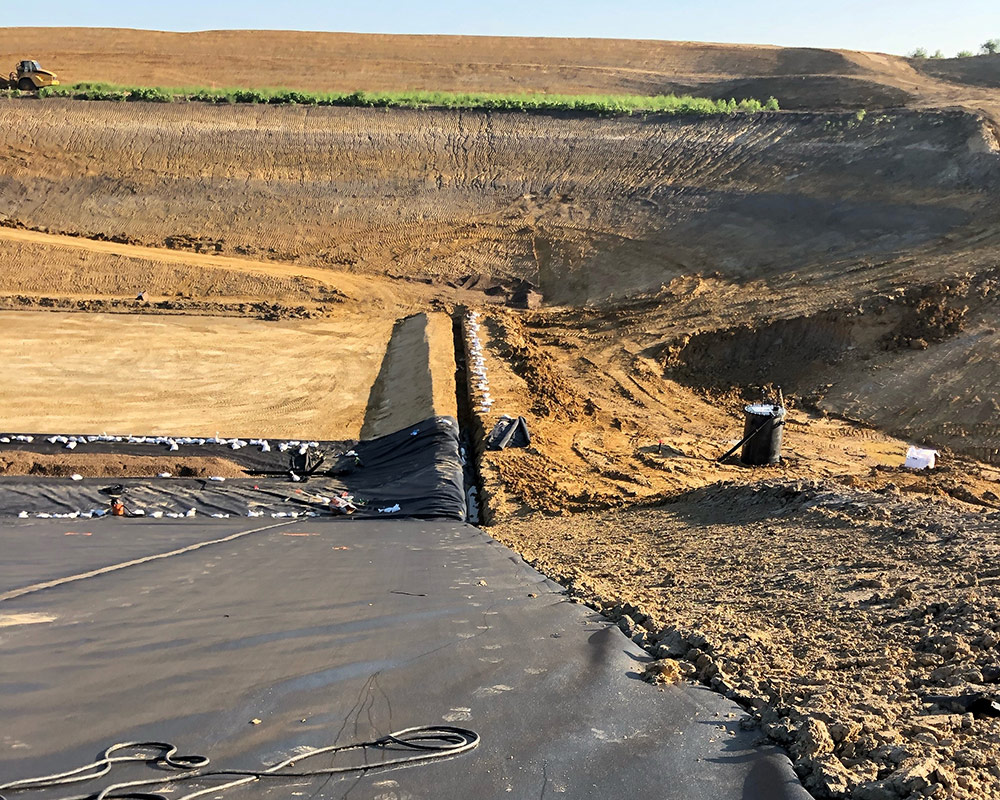
How Are Geotextiles and Geomembranes Selected for Demanding Applications?
Mining and industrial containment applications place particular emphasis on chemical compatibility, mechanical resistance, and long-term material performance. Heap leach pads, tailings containment facilities, and process water ponds require geosynthetic systems designed for their specific operating conditions.
When sourcing geotextiles and geomembranes for mining applications, buyers should evaluate chemical exposure, anticipated loads, installation conditions, and potential settlement. HDPE geomembranes are commonly considered for chemical containment, while LLDPE alternatives may be suitable where greater flexibility is required. Protective nonwoven geotextiles should be selected based on anticipated stresses, substrate characteristics, and liner protection requirements.
What Procurement Trends Are Influencing Geosynthetic Purchasing?
Geosynthetic procurement increasingly emphasizes manufacturing consistency, product traceability, supply reliability, and total installed costs. Buyers need to evaluate supplier capabilities alongside material performance, particularly when sourcing products for large infrastructure or environmentally sensitive projects.
Roll dimensions, packaging, transportation arrangements, field welding requirements, and material overlaps can influence construction efficiency and overall project costs. Procurement teams should establish technical acceptance criteria, documentation requirements, and delivery schedules before placing orders. Evaluating suppliers based on verified product quality, technical support, and logistical capabilities provides a more comprehensive basis for purchasing decisions than comparing unit prices alone.
Industry trends in geosynthetics highlight the importance of performance-based specifications, compatible material systems, manufacturing consistency, and life cycle cost considerations. Effective coordination between engineering and procurement teams can support better material selection and project execution. Contact Geofantex to discuss your technical requirements, available product specifications, and suitable geosynthetic solutions for your next engineering project.


Comments
Post a Comment