Environmental Liners in Industrial Wastewater Applications
Environmental liners are essential components of industrial wastewater containment systems, helping prevent wastewater from migrating into surrounding soil and groundwater. HDPE geomembranes, often combined with protective geotextiles, provide a low-permeability barrier for wastewater ponds and storage facilities.
Selecting an appropriate lining system requires evaluating wastewater chemistry, subgrade conditions, hydraulic pressure, and installation requirements. The following representative engineering scenario explains how geosynthetic materials address common containment challenges without making unverified claims about actual projects.
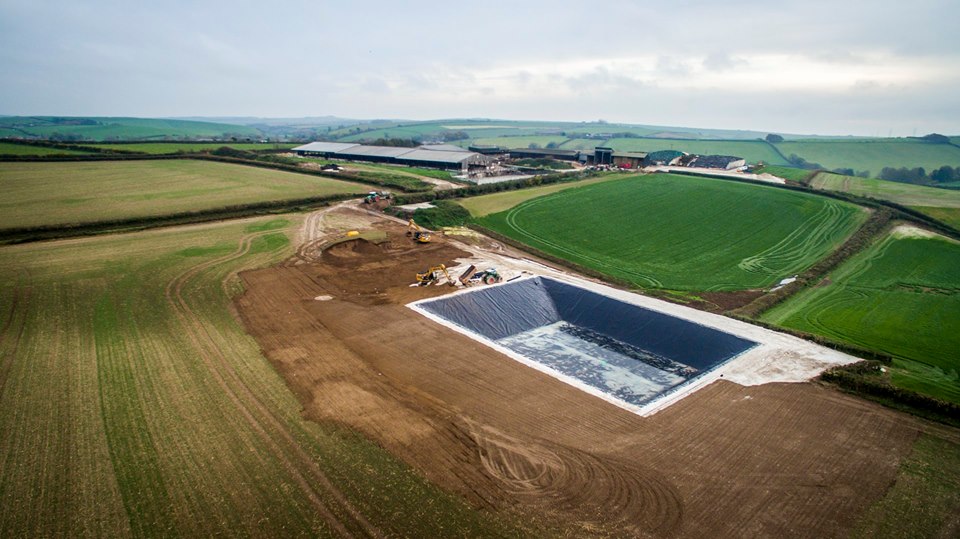
How Do Environmental Liners Prevent Wastewater Seepage?
Industrial wastewater ponds may contain process water, dissolved salts, or chemical residues that require controlled storage. Where natural soil permeability is too high, an engineered barrier is necessary to limit seepage and reduce the risk of groundwater contamination.
HDPE geomembranes form the primary containment barrier, while nonwoven geotextiles can protect them from punctures caused by subgrade irregularities. For higher-risk facilities, secondary barriers or leak-detection systems may also be required. Engineers evaluating environmental liners for industrial wastewater ponds should consider hydraulic head, foundation stability, chemical exposure, and regulatory requirements together rather than treating geomembrane thickness as the sole indicator of containment performance.
What Site Conditions Influence Environmental Liners Selection?
Consider a representative industrial wastewater pond constructed on variable soil containing occasional coarse particles. Fluctuating water levels create changing hydraulic loads, while wastewater composition may affect long-term material compatibility. These conditions require coordinated geotechnical and containment system design.
Material selection begins with wastewater chemistry, operating temperature, subgrade preparation, and anticipated settlement. HDPE geomembranes should be evaluated for chemical resistance, stress-crack resistance, and installation durability. Protective geotextiles require adequate puncture resistance and cushioning performance. For environmental liners material selection, engineers must also assess interface shear resistance on slopes, anchorage requirements, and whether additional drainage or secondary containment layers are necessary.
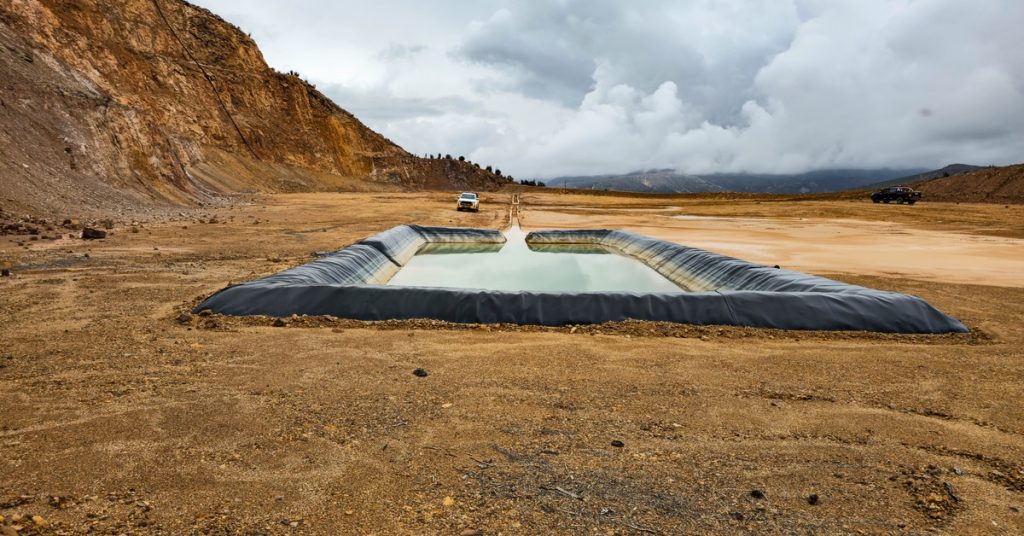
How Are Geosynthetic Lining Systems Installed?
Installation begins with grading and compacting the pond subgrade, removing sharp objects, and inspecting the prepared surface. A nonwoven geotextile may then be placed beneath the HDPE geomembrane to provide mechanical protection. Panel layout should accommodate pond geometry, slopes, and thermal movement.
Qualified installers join geomembrane panels using appropriate fusion or extrusion welding techniques. Construction quality assurance includes trial welds, seam inspection, testing, defect repair, and documentation. Engineers reviewing environmental liners installation requirements should pay particular attention to anchor trenches, pipe penetrations, and transitions where localized stresses can occur. Proper installation is essential because even suitable materials cannot compensate for defective seams or inadequate subgrade preparation.
What Engineering Benefits Do Environmental Liners Provide?
In industrial wastewater storage facilities, the primary engineering function is to limit wastewater migration through the containment barrier. HDPE geomembranes provide the low-permeability barrier, while protective geotextiles help reduce mechanical damage during construction and operation.
A properly designed system also facilitates inspection, maintenance, and localized repairs. However, performance depends on seam integrity, chemical compatibility, hydraulic loading, and foundation behavior. Where the consequences of leakage are significant, engineers may specify composite barriers, leak-detection systems, or additional monitoring. These measures help manage environmental risks, but no lining system should be assumed to be completely leak-free under all operating conditions.
Industrial wastewater containment requires coordinated material selection, subgrade preparation, installation quality control, and maintenance planning. HDPE geomembranes and protective geotextiles fulfill complementary engineering functions, helping reduce seepage risks under appropriate design conditions.
Geofantex supplies geosynthetic materials for wastewater containment and environmental engineering applications. Contact Geofantex to discuss suitable geomembrane and geotextile options for your project requirements.


Comments
Post a Comment