Woven Landscape Fabric Trends in Project Applications
Woven landscape fabric is an important material for commercial planting, nursery operations, and landscape construction projects. As buyers focus on weed control, water permeability, UV resistance, and installation efficiency, product selection increasingly depends on project-specific requirements. Understanding these industry trends helps contractors, distributors, and procurement teams compare material specifications, plan installation quantities, and make informed purchasing decisions.
How Is Woven Landscape Fabric Demand Evolving in Commercial Planting?
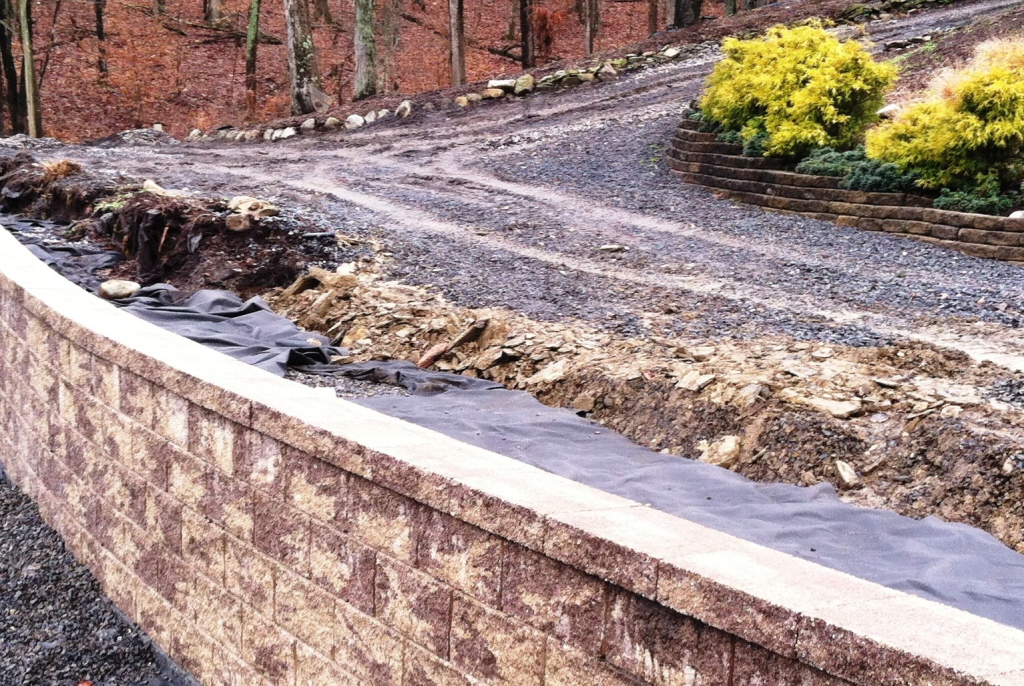
Commercial planting projects require ground-cover materials that provide effective weed suppression while supporting irrigation and routine agricultural operations. Nurseries, orchards, vineyards, and greenhouse facilities commonly use woven polypropylene ground covers to suppress weed growth and maintain well-managed planting areas.
Material requirements vary by application. Commercial nurseries may require fabrics that withstand frequent foot traffic, container movement, and prolonged sunlight exposure. Orchard and vineyard projects often prioritize water permeability, weed suppression, and compatibility with planting-row dimensions.
These differences are driving more application-specific material selection. Buyers need to evaluate installation conditions, expected service life, and maintenance requirements rather than relying on a standard fabric specification.
For larger planting operations, selecting appropriate woven landscape fabric for commercial planting projects can help balance material durability, installation efficiency, and long-term maintenance costs. Contractors should confirm fabric properties and roll dimensions before purchasing to ensure compatibility with the intended planting system.
What Performance Requirements Matter for Woven Landscape Fabric?
Material performance is a major consideration when procuring ground-cover fabrics for landscaping and agricultural applications. Polypropylene (PP) is commonly used because it offers mechanical strength, moisture resistance, and manufacturing flexibility. However, woven fabrics can differ significantly in durability and hydraulic performance depending on their construction.
Tensile strength affects resistance to installation tension and mechanical stress. UV stabilization is particularly important for exposed outdoor applications, where prolonged sunlight exposure can gradually degrade polypropylene. Water permeability must also be evaluated to ensure that irrigation water and rainfall can reach the underlying soil while maintaining effective weed suppression.
Fabric weight, usually expressed in grams per square meter (g/m²), provides useful product information but does not independently determine overall performance. Products with similar weights may have different tensile properties, weave densities, and levels of UV resistance.
Buyers evaluating woven landscape fabric technical specifications should request relevant technical data sheets and available test reports. Comparing verified performance characteristics helps procurement teams identify suitable materials and avoid unnecessary overspecification.
How Are Installation Efficiency and Landscape Project Planning Changing?
Installation efficiency is becoming an important purchasing consideration for commercial landscaping projects. Large planting beds, public green spaces, and managed landscape areas require materials that can be installed consistently while minimizing cutting waste, unnecessary overlaps, and labor requirements.
Roll width and length directly influence installation planning. Wider rolls can reduce the number of seams across large, regularly shaped areas, while narrower rolls may be more practical around planting beds, pathways, and irregular landscape features. The most suitable dimensions depend on the site layout and installation method.
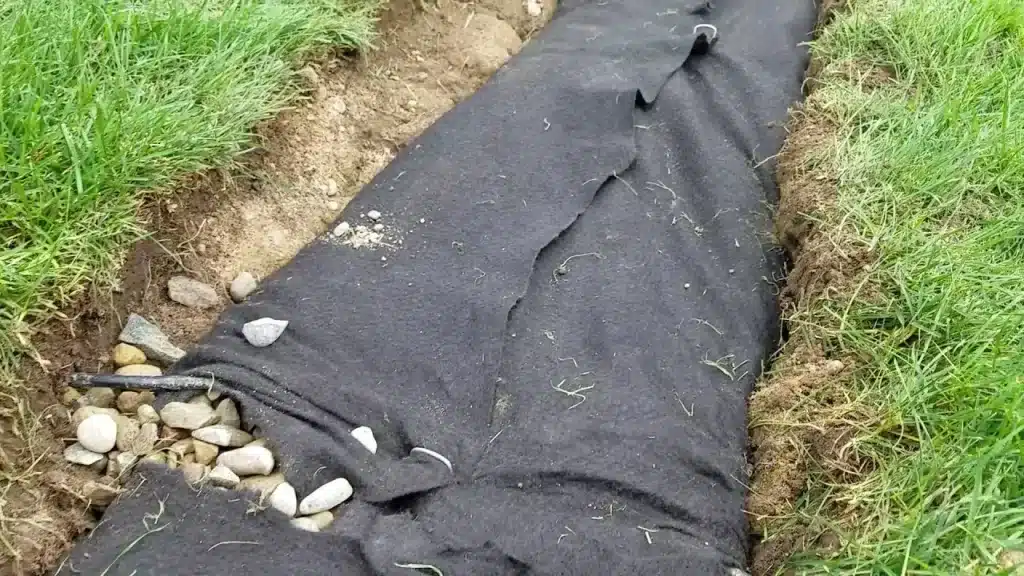
Subgrade preparation also affects performance. Sharp stones, roots, and uneven surfaces can damage the fabric during installation or subsequent use. Proper surface preparation, suitable anchoring methods, and adequate overlap allowances help maintain ground coverage and reduce displacement.
For landscape contractors, choosing woven landscape fabric for landscaping applications requires consideration of both material properties and practical installation conditions. Accurate coverage calculations should account for overlaps, cutting allowances, and site-specific requirements.
Coordinating product dimensions with construction schedules can also improve purchasing accuracy and reduce delays caused by material shortages or unsuitable roll configurations.
How Are Procurement Priorities Influencing Material Selection?
Procurement decisions are increasingly focused on balancing initial material costs with expected performance, maintenance requirements, and installation efficiency. For commercial projects, the lowest unit price does not necessarily represent the most economical long-term solution.
Exposed ground-cover applications may require enhanced UV stabilization, while temporary or protected installations may have different durability requirements. Buyers should evaluate these conditions before selecting fabric weight, construction, and other technical characteristics.
It is also important to distinguish landscape ground covers from engineering-grade woven geotextiles. Although both may use woven polypropylene structures, their intended functions differ. Landscape ground covers primarily provide weed suppression and surface coverage, whereas engineering geotextiles may be specified for reinforcement, separation, stabilization, or filtration.
For bulk purchasing, evaluate woven landscape fabric based on documented product performance, manufacturing consistency, roll dimensions, and packaging requirements. Clear specifications and effective communication with suppliers can reduce procurement risks and support efficient project delivery.
Commercial planting and landscaping applications increasingly emphasize material durability, effective water management, installation efficiency, and lifecycle cost control. These considerations make application-specific product selection increasingly important for contractors, distributors, and project buyers.
Geofantex Geosynthetics helps buyers evaluate geosynthetic material specifications, project requirements, and procurement considerations. For upcoming commercial planting or landscaping projects, contact Geofantex to discuss suitable product specifications, roll dimensions, and quotation requirements.


Comments
Post a Comment