How Thick Is a Geonet? Drainage Applications and Selection
How thick is a geonet for underground drainage and landfill applications? Geonets typically have nominal thicknesses of approximately 4–8 mm, depending on their structure and intended application. For engineers and procurement teams, selecting the appropriate thickness requires evaluating drainage capacity, compressive resistance, hydraulic gradient, and installation conditions. This engineering case analysis examines two representative drainage scenarios to explain how HDPE geonets support effective water management and long-term drainage performance.
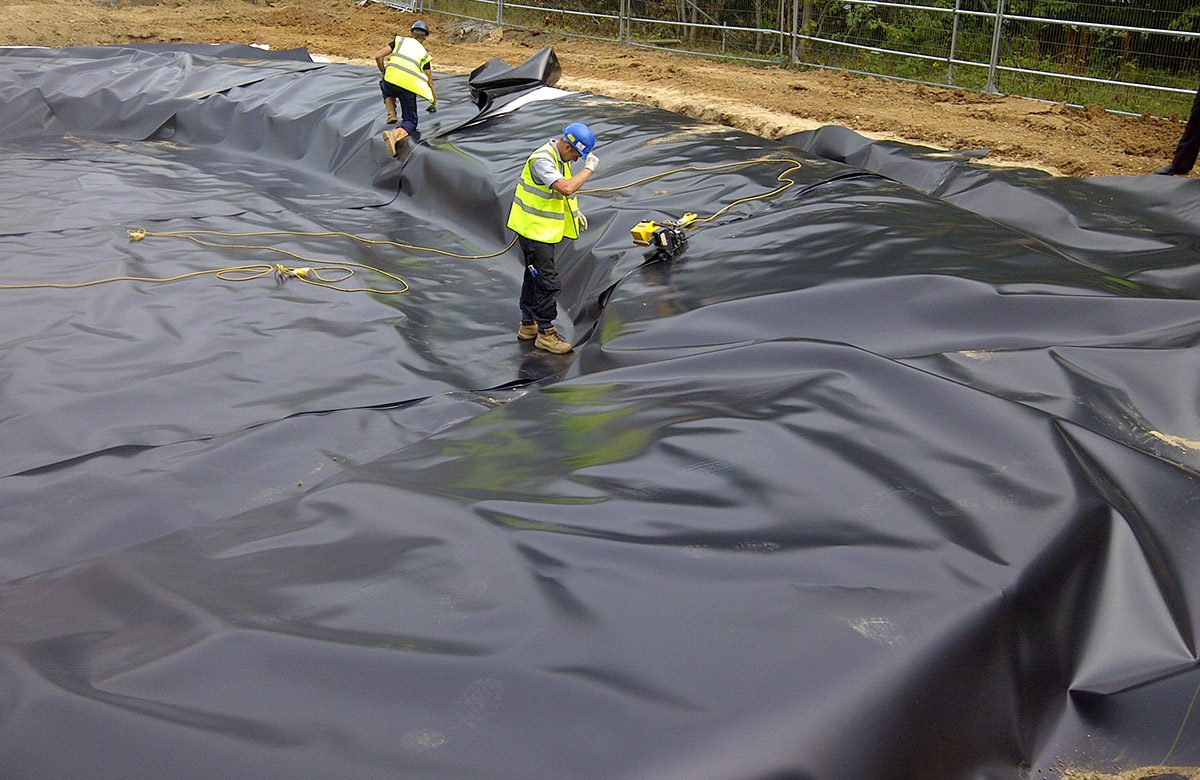
Engineering Challenges in Geonet Drainage Applications
Underground drainage and landfill leachate collection systems face different hydraulic and structural demands.
In underground drainage projects, groundwater accumulation can increase hydrostatic pressure against buried structures, retaining walls, and foundations. Conventional gravel drainage systems may require extensive excavation and substantial material handling.
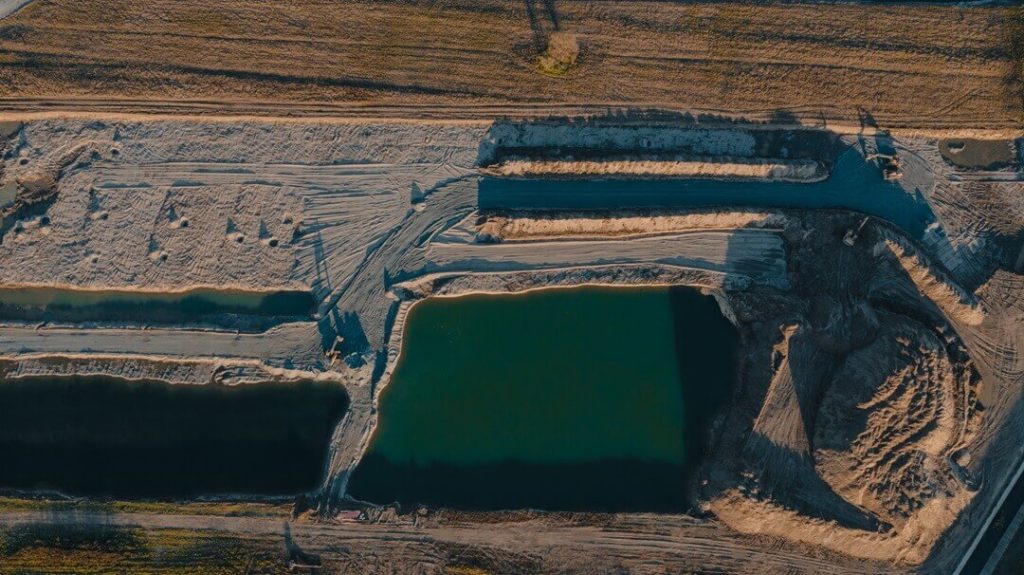
Landfill drainage systems face additional challenges. Leachate must be collected and conveyed while drainage materials withstand sustained compressive loads from overlying waste.
In both applications, drainage efficiency depends on maintaining continuous flow channels under anticipated service conditions.
How Thick Is a Geonet for Underground Drainage?
Project Conditions and Drainage Requirements
Consider a representative underground drainage application involving a retaining wall or buried foundation.
Groundwater accumulates behind the structure, requiring a drainage layer that directs water toward perforated collection pipes.
A geonet-based drainage geocomposite can serve as an alternative to conventional granular drainage layers where permitted by the design.
Geosynthetic Solution
HDPE geonets feature interconnected ribs that form in-plane drainage channels. When combined with geotextiles, they provide drainage and filtration within a compact geocomposite structure.
The appropriate thickness depends on soil pressure, drainage path length, and required transmissivity.
For engineers evaluating geonet thickness requirements for underground drainage design, nominal thickness should be assessed alongside hydraulic performance under representative loading conditions.
Installation Considerations
The drainage geocomposite should be installed against a properly prepared surface, with continuous drainage pathways maintained throughout the system.
Connections between adjacent panels must maintain hydraulic continuity. The geotextile should prevent soil particles from entering the drainage core while allowing water to pass through.
Backfilling operations must avoid excessive compression and mechanical damage.
How Thick Is a Geonet for Landfill Drainage Systems?
Project Conditions and Engineering Challenges
A landfill leachate collection system must convey liquid toward collection pipes while limiting hydraulic head above the liner.
As waste accumulates, increasing normal stress can compress drainage materials and reduce their flow capacity.
Geosynthetic Solution
HDPE geonet drainage geocomposites can provide continuous pathways for leachate to flow above engineered liner systems.
For preliminary product screening, engineers may consider geonets with nominal thicknesses of approximately 5–8 mm, subject to verified product specifications and project requirements.
When determining the appropriate geonet thickness for landfill leachate drainage, designers must prioritize long-term transmissivity under sustained compressive loading rather than thickness alone.
Installation and Performance Considerations
Inspect the underlying geomembrane before placing the geocomposite.
Position drainage panels per approved drawings, with connections that maintain flow continuity to collection pipes.
Protective layers and controlled construction procedures help minimize damage during subsequent installation activities.
Key Factors Affecting Geonet Thickness Selection
The selection process should consider several technical parameters.
| Parameter | Engineering significance |
|---|---|
| Nominal thickness | Influences drainage channel geometry |
| Hydraulic transmissivity | Determines in-plane flow capacity |
| Compressive resistance | Helps maintain drainage channels under loading |
| Polymer composition | Influences chemical compatibility and durability |
| Geotextile properties | Supports filtration and soil retention |
| Long-term creep | Affects drainage capacity over time |
Engineers evaluating geonet thickness under different loading conditions should review transmissivity data obtained under representative normal stresses and hydraulic gradients.
ASTM D4716/D4716M provides a standardized test method for measuring in-plane flow through geosynthetic drainage materials.
Expected Engineering Performance
Properly selected geonet drainage systems can support groundwater management, leachate collection, and hydrostatic pressure reduction.
In underground drainage applications, their primary function is to convey groundwater away from buried structures.
In landfill applications, the drainage layer helps transport leachate toward the collection system while maintaining adequate hydraulic performance under sustained loading.
Actual performance depends on material specifications, drainage geometry, installation quality, and long-term operating conditions.
Selecting the Appropriate Geonet
Understanding how thick is a geonet is only the starting point for selecting a suitable drainage material.
Engineers and procurement teams should evaluate thickness alongside hydraulic transmissivity, compressive behavior, chemical compatibility, and installation requirements.
Geofantex supplies geosynthetic drainage materials for underground construction, landfill engineering, and environmental applications. Contact our team to discuss technical specifications and request a quotation for your drainage project.


Comments
Post a Comment