Geosynthetics Installation: How to Choose the Right Materials
Geosynthetics installation begins with selecting materials that match the project function, soil conditions, loading, drainage requirements, and construction method. For buyers, contractors, and engineering companies, selecting the right product specifications can reduce installation problems, control material consumption, and improve long-term project performance.
Choosing Products for Geosynthetics Installation
Different geosynthetics are designed for different engineering functions. Before requesting a quotation, identify whether your project requires separation, reinforcement, filtration, drainage, containment, erosion control, or a combination of these functions.
| Product | Main Function | Typical Applications |
|---|---|---|
| Nonwoven Geotextile | Filtration, drainage, protection | Hydraulic works, drainage systems, geomembrane protection |
| Woven Geotextile | Separation, stabilization | Roads, working platforms, soft soils |
| Geogrid | Reinforcement | Road bases, retaining walls, slopes |
| HDPE Geomembrane | Containment, waterproofing | Reservoirs, canals, ponds, landfills |
| Geocell | Confinement, load distribution | Roads, slopes, channels |
| Drainage Geocomposite | Drainage | Retaining walls, landfills, underground structures |
For procurement, product selection should be based on engineering performance rather than GSM, thickness, or unit price alone.
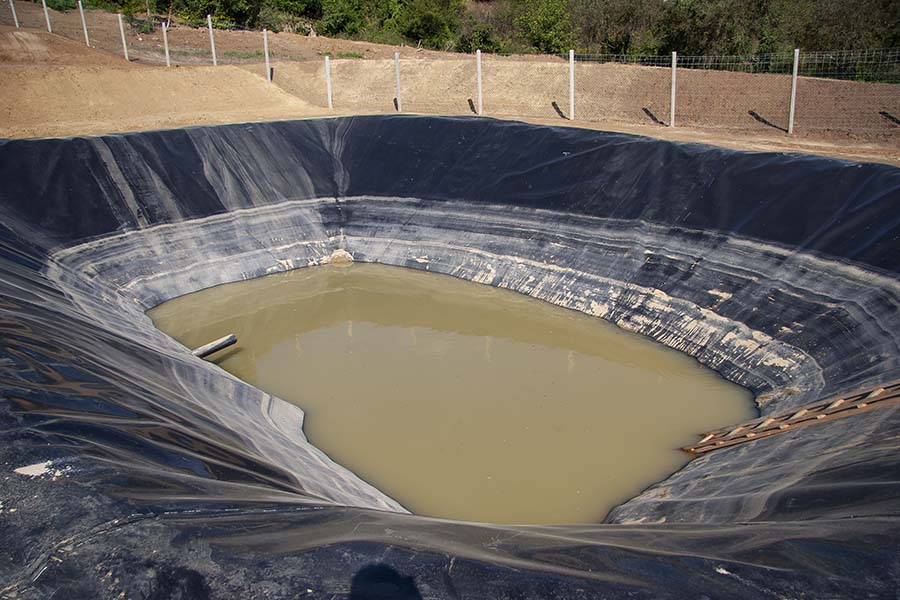
Hydraulic Engineering Application
In canals, reservoirs, drainage channels, and other hydraulic projects, geotextiles may provide filtration and protection, while geomembranes provide low-permeability containment.
Important factors include hydraulic properties, puncture resistance, tensile performance, substrate conditions, and compatibility between adjacent materials.
Buyers planning hydraulic works can review our geosynthetics installation solutions for hydraulic engineering when comparing materials for filtration, drainage, protection, and containment.
Key Specifications for Geosynthetics Installation
Technical specifications should correspond to the actual engineering function.
For geotextiles, review:
- Polymer type: PP or PET
- Mass per unit area
- Tensile strength
- Elongation
- CBR puncture resistance
- Apparent opening size
- Permittivity or water flow rate
- Roll width and length
For geogrids, check tensile strength in the machine and cross-machine directions, strength at specified strain, aperture dimensions, junction performance, polymer type, and roll size.
For geomembranes, important parameters include thickness, density, tensile properties, tear resistance, puncture resistance, carbon black content, surface type, and roll dimensions.
The applicable test method also matters. If the project specifies ASTM, ISO, EN, GRI, or another standard, provide this requirement before production.
Road Geosynthetics Installation Requirements
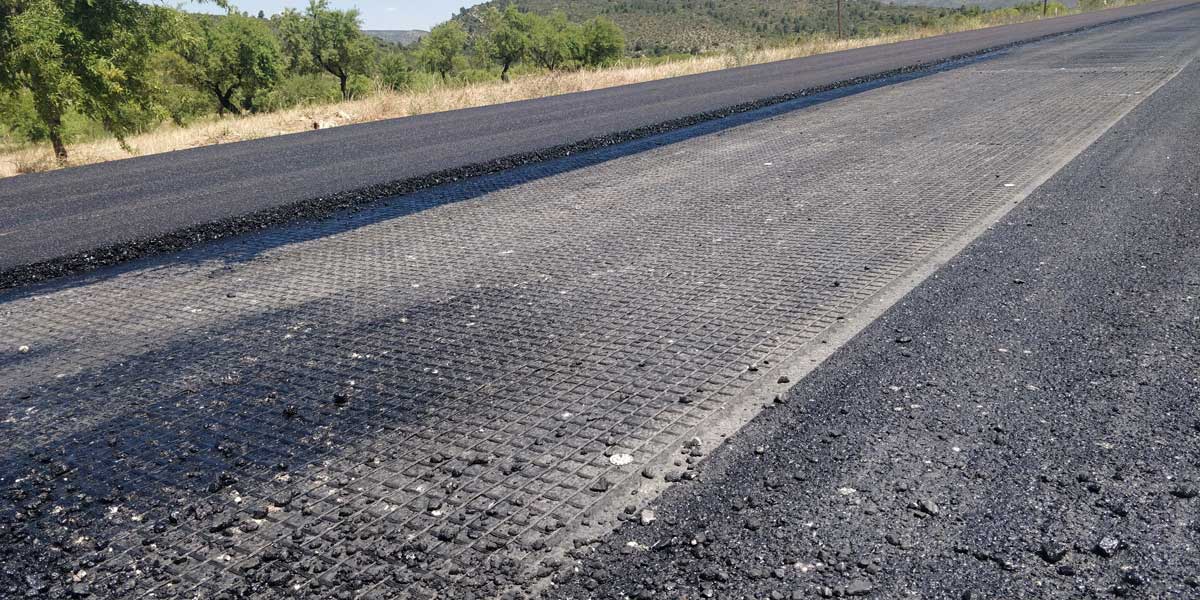
Road projects typically use woven or nonwoven geotextiles, biaxial geogrids, geocells, or combinations of these materials to improve separation, stabilization, reinforcement, and load distribution.
For weak subgrades, buyers should consider soil bearing capacity, aggregate thickness, expected traffic loads, installation equipment, and required tensile performance.
A geogrid with suitable tensile strength and aperture geometry can improve aggregate confinement, while a geotextile can help prevent contamination between the subgrade and granular base.
For product comparison, buyers can use our geosynthetics installation guide for road stabilization projects to evaluate suitable geotextile, geogrid, and geocell options.
Check Roll Size, Quantity, and Site Conditions
Roll dimensions can affect material consumption, transportation, labor requirements, and installation efficiency.
Before ordering, confirm:
- Roll width
- Roll length
- Total required area
- Overlap allowance
- Cutting losses
- Anchor trench requirements
- Site access and lifting conditions
A project requiring 20,000 m² of material may need more than 20,000 m² of purchased product because overlaps, seams, trimming, slope geometry, and anchoring require additional material.
For international shipments, container utilization should also be considered. Suppliers can calculate approximate loading quantities for 20GP, 40GP, or 40HQ containers based on roll dimensions and product weight.
Verify Quality Documents Before Purchase
Before confirming an order, request the relevant technical data sheet and confirm whether the listed properties are typical values, minimum values, or MARV, where applicable.
Depending on the project, buyers may also require:
- Certificate of Analysis
- Third-party testing
- ISO certificates
- CE documentation
- Product samples
- Manufacturing quality records
These requirements should be confirmed before production because additional testing or documentation can affect lead time and cost.
For larger projects, our geosynthetics installation specification and purchasing support can help buyers compare technical requirements before finalizing an order.
Information to Send for a Quotation
To receive a more accurate product recommendation and quotation, prepare as much of the following information as possible:
- Project application
- Required geosynthetic product
- Technical specifications
- Applicable test standards
- Required quantity
- Preferred roll dimensions
- Soil and site conditions
- Certification or testing requirements
- Delivery city, port, and country
- Required delivery schedule
If the exact specifications have not yet been determined, send the project application and performance requirements instead.
Submit your project specifications, required quantity, application, and delivery destination to receive a recommended geosynthetic specification and project quotation.


Comments
Post a Comment