Geocell Grid for Soil Stabilization and Reinforcement
Geocell grid systems provide practical solutions for soil stabilization, road construction, and slope protection. For contractors, engineers, and project buyers, selecting the appropriate cell depth, material specifications, and installation method is essential for reliable project performance. This guide answers four common questions to help buyers compare products, avoid installation mistakes, and make informed purchasing decisions.
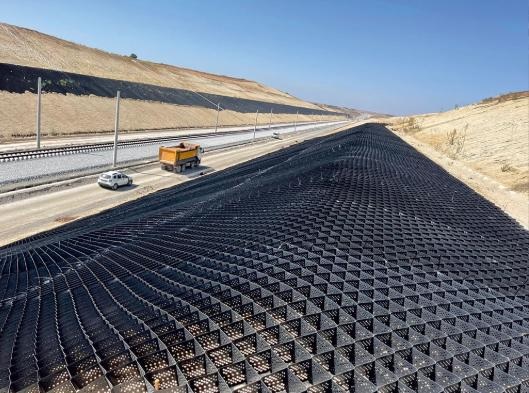
How Do You Select the Right Geocell Grid for Different Applications?
Choosing the appropriate cellular confinement system depends on soil conditions, loading requirements, and project design. For different engineering applications, consider the following recommendations:
- Road construction: Select an appropriate cell depth and infill material to improve aggregate confinement and load distribution.
- Slope protection: Evaluate slope gradient, anchoring requirements, cell dimensions, and vegetation or aggregate infill.
- Load-support platforms: Consider subgrade strength, traffic intensity, and the required reinforced layer thickness.
- Drainage channels: Assess hydraulic conditions, erosion resistance, and the suitability of the selected infill material.
For slope stabilization projects, a geocell grid for slope reinforcement solution can help contractors evaluate appropriate cell dimensions, anchoring configurations, and infill requirements. Final product selection should be based on project-specific engineering calculations and design specifications rather than general application recommendations alone.
What Geocell Grid Specifications Should Buyers Check?
Product specifications influence structural performance, installation efficiency, and long-term durability. Before ordering, compare the following technical parameters:
| Specification | Purchasing Consideration |
|---|---|
| Material | HDPE composition and durability |
| Cell depth | Common options: 50, 75, 100, 150, and 200 mm |
| Weld strength | Seam strength and relevant test reports |
| Cell dimensions | Expanded cell size and panel coverage |
| Sheet thickness | Nominal thickness and dimensional tolerances |
| Surface characteristics | Textured or perforated options when required |
Cell depth is particularly important. Greater cell depth may improve confinement under appropriate design conditions but also increases infill requirements. Sheet thickness and weld strength should be evaluated together because inadequate seam strength can affect panel integrity under construction and service loads.
Buyers should request product data sheets, manufacturing tolerances, and quality-control documentation. For international procurement, a geocell grid technical specifications guide can help buyers compare suppliers and ensure that quoted products meet the same engineering requirements.
What Installation Mistakes Should Contractors Avoid?
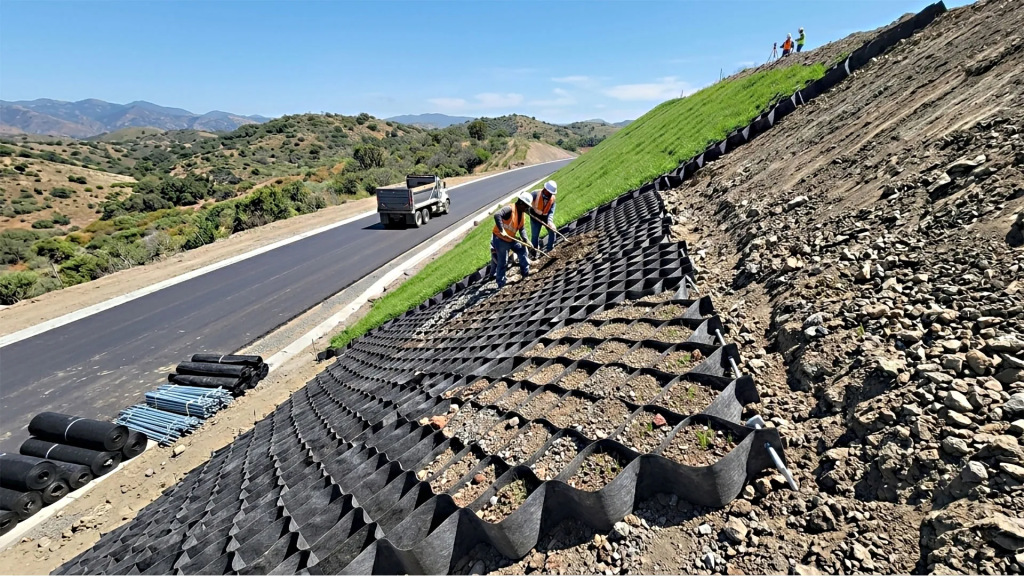
Even properly specified cellular confinement products may perform poorly when installation procedures do not comply with the engineering design. Common installation mistakes include inadequate subgrade preparation, incorrect panel expansion, insufficient anchoring, and unsuitable infill materials. To improve installation quality, follow these steps:
- Prepare the foundation: Remove debris, level uneven surfaces, and compact the subgrade according to project requirements.
- Install geotextiles when specified: Provide separation or filtration where required by soil conditions and design specifications.
- Expand the panels correctly: Maintain the specified cell geometry and secure the panels with suitable anchors.
- Connect adjacent panels: Use compatible connectors and follow the manufacturer's installation instructions.
- Place and compact infill: Use approved materials and appropriate compaction equipment.
For road construction, aggregate gradation, infill thickness, and compaction procedures are especially important.
A geocell grid road installation guide can help construction teams understand panel placement, aggregate confinement, and installation sequencing before field operations begin. Avoid operating heavy construction equipment directly on unfilled cells. Where vehicle access is necessary, provide sufficient protective cover in accordance with the approved construction method.
How Can Buyers Reduce Geocell Grid Purchasing Costs?
The lowest quoted product price does not necessarily result in the lowest total construction cost. Buyers should evaluate product quality, shipping efficiency, installation expenses, and long-term project requirements. Several purchasing strategies can improve cost efficiency:
- Compare equivalent specifications: Request quotations based on identical cell depths, sheet thicknesses, weld strengths, and panel dimensions.
- Calculate expanded coverage: Confirm the effective coverage area of each expanded panel rather than relying on folded dimensions.
- Evaluate transportation costs: Compare packaging methods, container loading quantities, and freight arrangements.
- Check documentation: Request technical data sheets, test reports, and manufacturing quality-control records.
- Estimate installation costs: Include aggregate, anchors, connectors, labor, and equipment expenses.
Bulk orders may offer procurement efficiencies, but buyers should confirm minimum order quantities and production lead times before making commitments.
For overseas projects, clearly define delivery terms, inspection requirements, and packaging specifications in the purchase agreement.
Selecting the right cellular confinement system requires a clear understanding of soil conditions, technical specifications, installation procedures, and procurement costs. Engineers and contractors should prioritize verified material properties, appropriate cell geometry, reliable installation practices, and overall project costs.
Geofantex provides geosynthetic solutions for road stabilization, slope protection, and ground reinforcement applications. Contact Geofantex with your project requirements, technical specifications, estimated quantities, and delivery destination to discuss suitable products and request a quotation.


Comments
Post a Comment