Geonet Compression Performance for Mining and Landfill Drainage
Geonet compression performance is an important consideration when sourcing drainage materials for mining, landfill, and other high-load geotechnical projects. Buyers need more than nominal thickness or initial flow capacity—the drainage core must maintain sufficient performance under sustained pressure. Understanding load resistance, transmissivity, material structure, and project conditions helps purchasers specify the appropriate geonet and obtain a more accurate quotation.
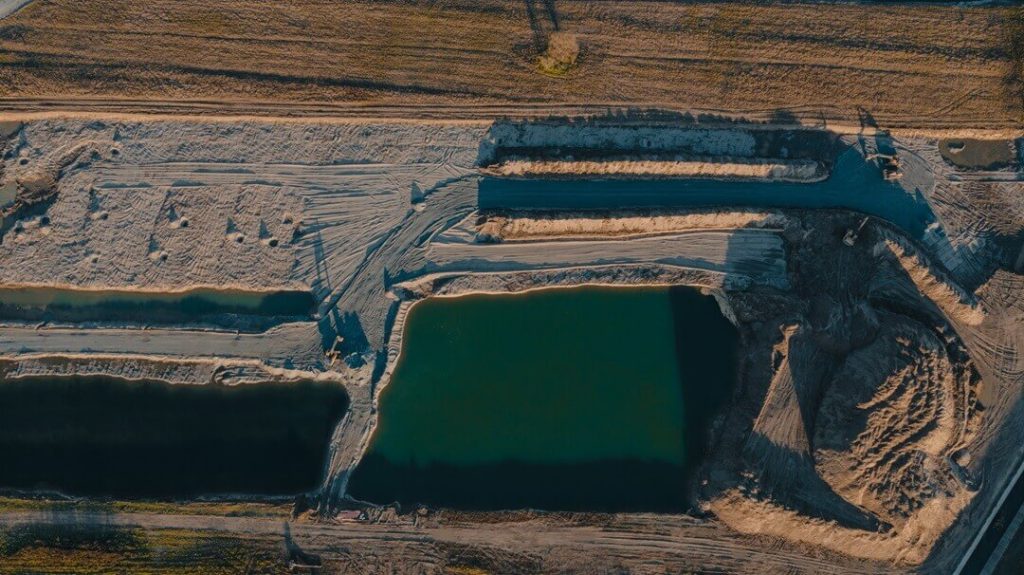
Why Compression Performance Matters in Drainage Systems
HDPE geonets are designed to create continuous channels that transport liquids or gases within the plane of the material. In real-world installations, however, these drainage channels are subjected to pressure from soil, waste, aggregate, liner systems, or other overlying materials.
As normal pressure increases, the core may deform, reducing the available flow space. This means that initial drainage capacity alone cannot represent long-term field performance.
For project procurement, engineers and buyers should evaluate several factors together:
- Core structure and thickness
- Compressive behavior
- In-plane flow capacity
- Transmissivity under specified normal loads
- Hydraulic gradient
- Long-term creep behavior
- HDPE material properties
Reviewing these parameters together provides a more realistic basis for comparing products from different suppliers.
Geonet Compression Performance for Mining Projects
Mining applications can expose drainage systems to substantial and sustained loads. Heap leach facilities, containment areas, process-water systems, and other engineered structures may require geosynthetic drainage layers capable of maintaining flow pathways under pressure.
Under these conditions, specifying only a nominal geonet thickness can lead to an incomplete product comparison. The anticipated normal load, required flow rate, hydraulic gradient, and surrounding materials should also be considered.
For procurement teams evaluating geonet compression performance for mining drainage, project specifications can be submitted to Geofantex for product selection. Providing the design load, required transmissivity, roll dimensions, quantity, and application allows the supplier to recommend a more appropriate configuration rather than quoting solely on thickness.
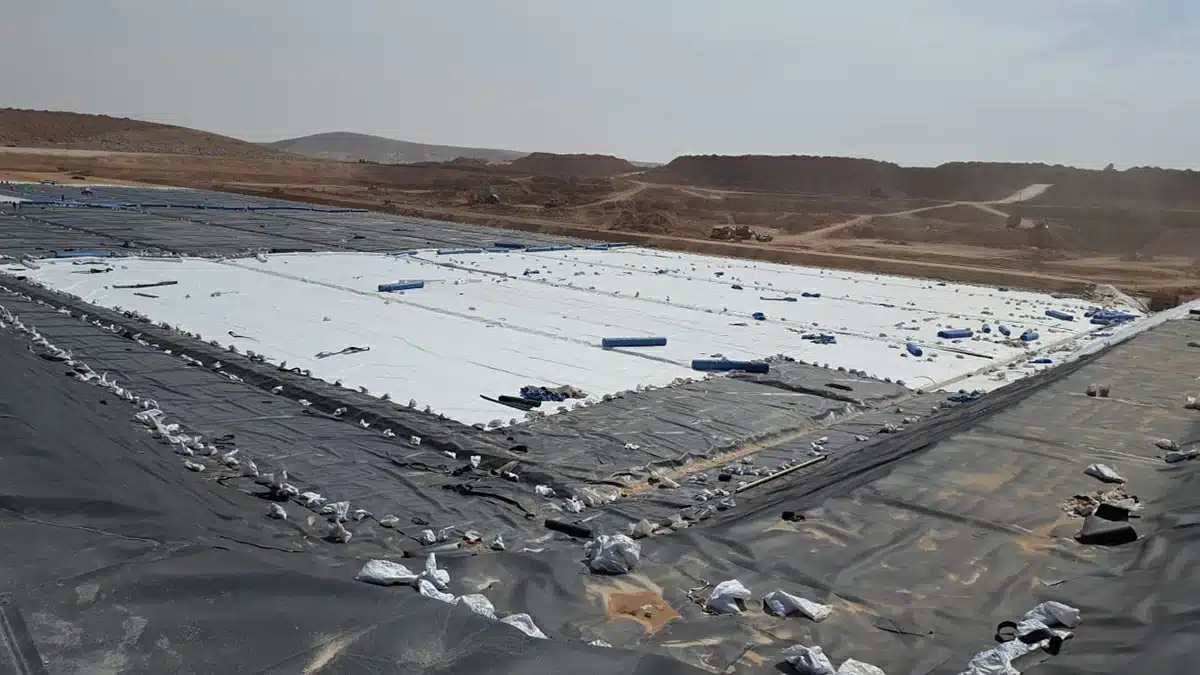
Geonet Compression Performance for Landfill Drainage
Landfill systems are another major application where drainage performance under pressure matters. Depending on the design, geonets or drainage geocomposites may be incorporated into leachate drainage, leak detection, gas collection, and other containment-system components.
As waste accumulates, the drainage layer may experience increasing normal stress. Buyers should therefore evaluate whether the selected core can provide the required hydraulic performance under relevant project conditions.
When filtration or separation is required, a nonwoven geotextile can be laminated to the geonet to form a drainage geocomposite. The geotextile helps retain surrounding particles while allowing liquids to enter the drainage core.
Project purchasers can review geonet compression performance solutions for landfill drainage when comparing standalone geonets with single-sided or double-sided geocomposites.
What Should Buyers Check Before Ordering?
A technically appropriate drainage product should be selected according to actual project conditions rather than a single headline specification.
Before requesting a quotation, prepare the following information:
- Project application and installation location
- Required geonet or geocomposite structure
- Design normal pressure
- Required transmissivity or flow rate
- Hydraulic gradient, if specified
- Required thickness
- Geotextile specification, if applicable
- Roll width and length
- Required testing standards
- Total project quantity
These details allow the manufacturer to match the product more closely to the project's mechanical and hydraulic requirements.
For projects with specific loading conditions, evaluating geonet compression performance for high-load projects should include a review of both compressive behavior and drainage capacity. A product with a high initial flow value is not necessarily appropriate if its drainage structure cannot maintain the required performance under project loading.
Geonet or Drainage Geocomposite?
The choice depends on the functions required by the project.
A standalone HDPE geonet primarily provides in-plane drainage. A drainage geocomposite combines the core with one or more geotextile layers, adding filtration and separation functions. This configuration can simplify installation in applications where drainage and filtration are required together.
Geofantex can supply different geonet and geocomposite configurations for mining, landfill, civil engineering, and environmental projects. Product dimensions and configurations can be selected according to technical specifications and purchasing requirements.
Request a Geonet Quotation
Choosing the correct drainage material requires matching hydraulic performance with the mechanical conditions of the installation.
Send Geofantex your project specification, required thickness, normal load, transmissivity requirement, roll dimensions, geotextile requirements, and estimated quantity. Our team can review the information, recommend a suitable configuration, and prepare a commercial quotation for your project.


Comments
Post a Comment