Geocell Driveway Installation: Base, Infill, and Compaction
Geocell driveway installation provides a practical way to stabilize gravel driveways, control aggregate movement, and improve load distribution over weak or variable subgrades. For contractors, distributors, and project buyers, selecting the correct geocell depth, infill material, geotextile, and base preparation method is essential before placing an order.
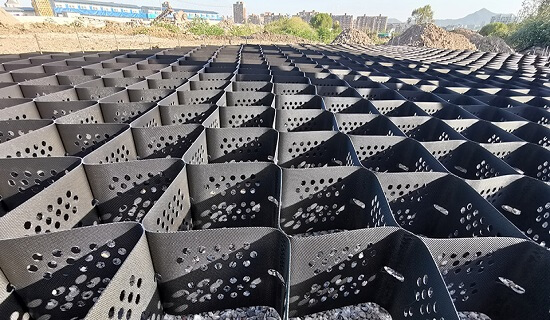
How Should the Base Be Prepared for Geocell Driveway Installation?
Proper subgrade preparation is the foundation of a stable geocell-reinforced driveway. Remove vegetation, organic material, loose soil, and unsuitable soft material before grading the surface to the required elevation.
The prepared subgrade should be compacted to create a uniform working platform. If weak, silty, clayey, or moisture-sensitive soil is present, a woven or nonwoven geotextile separator may be installed between the subgrade and aggregate layer. This prevents subgrade fines from migrating into the aggregate while helping maintain separation and filtration.
Drainage must also be considered before installing the geocell. Water trapped beneath the reinforced layer can soften the subgrade and contribute to uneven settlement.
For projects involving weak soils, contractors can review a geocell driveway installation base preparation guide to determine whether additional aggregate, geotextile separation, or drainage improvements may be required.
What Geocell and Aggregate Are Best for Geocell Driveway Installation?
Geocell selection should be based on traffic loads, vehicle types, subgrade strength, driveway slope, drainage conditions, and required pavement depth.
Residential driveways carrying passenger vehicles generally have different requirements from access roads used by delivery trucks, construction vehicles, or agricultural equipment. Cell depth and geocell strength should therefore be matched to actual project conditions rather than selected solely on price.
Angular crushed stone is commonly preferred as infill because its particles interlock within the cells. This interaction allows the cellular confinement system to reduce lateral aggregate movement and create a more stable load-supporting layer.
Rounded gravel may move more easily under repeated wheel loads and turning forces. The aggregate should also be properly graded and compatible with the selected cell dimensions.
A suitable geocell driveway installation material selection guide can help buyers compare cell height, panel dimensions, material type, and recommended infill before requesting quotations.
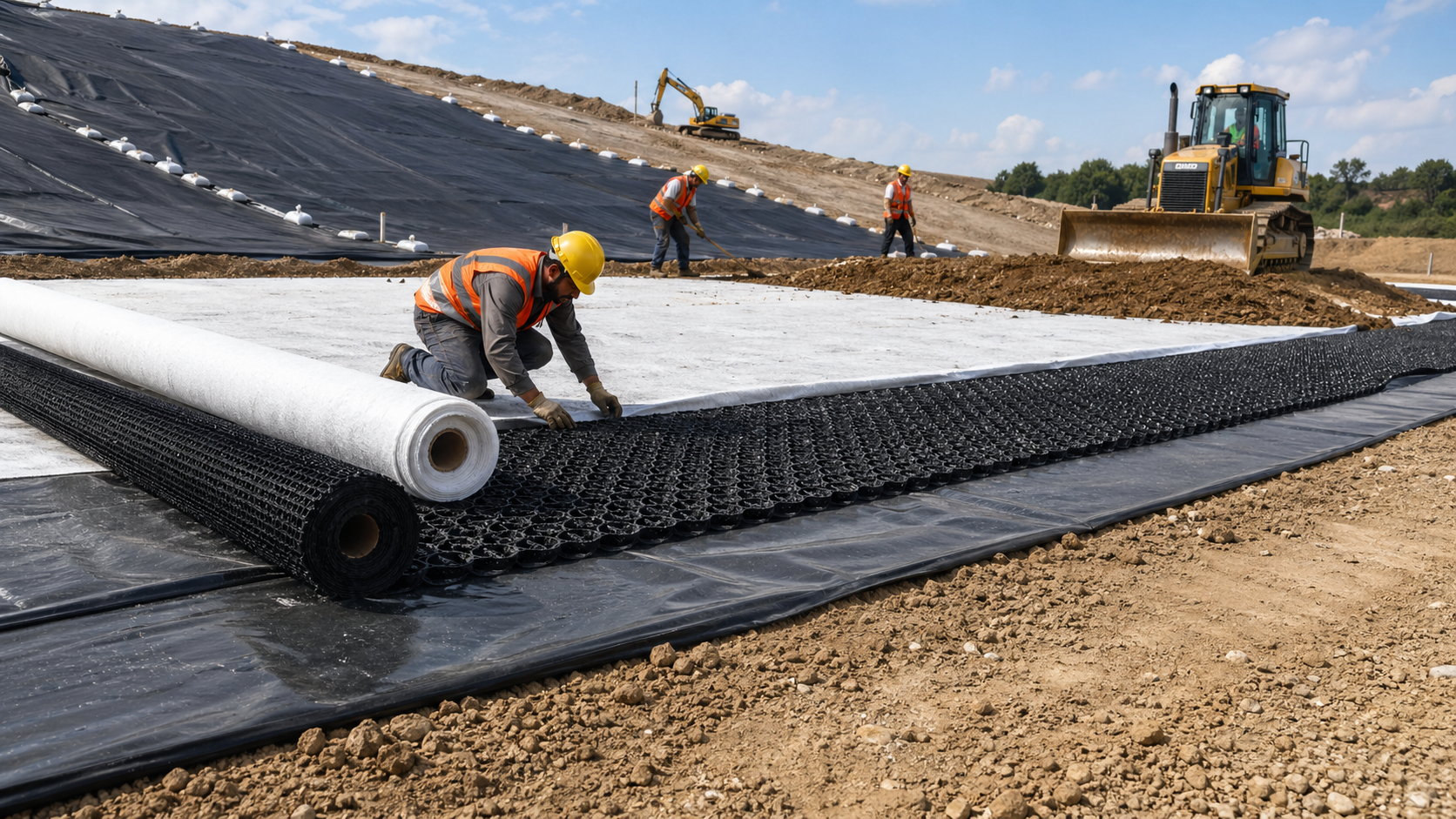
What Is the Correct Construction Process?
After the subgrade has been prepared, place the specified geotextile if separation or filtration is required. Position the geocell panels over the prepared area and fully expand them to the designed dimensions.
Secure the system using appropriate anchors, stakes, or other specified restraints. Adjacent panels should be properly connected so that the cellular structure remains stable during filling.
Place aggregate progressively into the expanded cells. Avoid dropping excessive amounts of material directly onto unsupported, empty panels because this can distort the cells before they are filled and confined.
The infill should fill the cells and normally extend slightly above the cell walls to provide sufficient material for final compaction and surface finishing.
Pay particular attention to entrances, curves, edges, and turning zones during construction. These areas experience greater lateral forces and may need additional restraint or edge support.
Contractors planning larger projects can use a geocell driveway installation step-by-step guide to coordinate panel expansion, connection, filling, compaction, and final surface preparation.
Why Can a Geocell Driveway Still Develop Ruts?
Geocell significantly improves aggregate confinement, but it cannot compensate for every construction problem. Rutting or uneven settlement can still occur when the subgrade is too soft, drainage is inadequate, aggregate is poorly compacted, or the selected system does not match the anticipated vehicle loads.
Another common issue is incomplete cell expansion. If panels are not expanded to their intended dimensions, the cells can become irregular and may not provide uniform confinement.
Insufficient aggregate cover can also expose the geocell to direct tire contact, particularly in turning areas. Proper compaction and an adequate wearing course help protect the system and create a smoother driving surface.
For reliable performance, treat the project as a complete engineered system rather than relying on one geosynthetic product. Subgrade preparation, geotextile separation, drainage, aggregate selection, cellular confinement, anchoring, and compaction all affect long-term performance.
Before purchasing, provide the supplier with the driveway dimensions, expected vehicle loads, subgrade conditions, slope, drainage conditions, and preferred infill material. This information allows a suitable geocell driveway installation configuration to be recommended for the project.


Comments
Post a Comment