Geotextile Fabric: How to Choose for Civil Engineering
Geotextile fabric is widely specified for road construction, retaining walls, drainage, erosion control, and soil stabilization. For contractors, distributors, and procurement teams, choosing the correct material, strength, filtration properties, and roll size is essential for controlling project costs and ensuring reliable performance. Understanding the main specifications before requesting a quotation can also help buyers compare products accurately and avoid purchasing unsuitable materials.
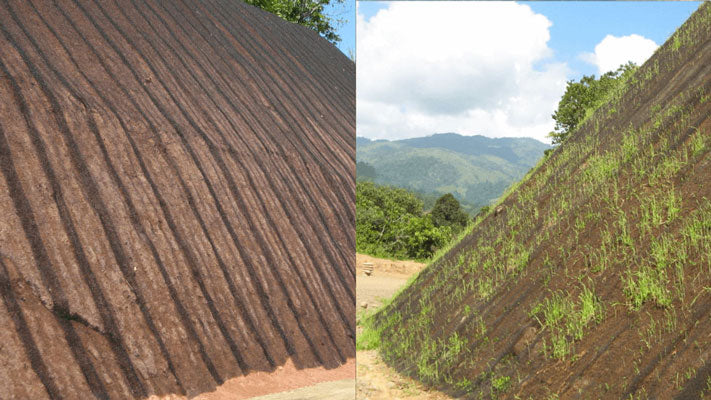
What Is Geotextile Fabric Used For?
Geotextiles are permeable geosynthetic materials normally manufactured from polypropylene (PP) or polyester (PET). Installed between soil, aggregate, rock, drainage layers, or other construction materials, they perform several engineering functions.
Typical functions include separation, filtration, drainage, reinforcement, and protection. In road construction, a geotextile can separate weak subgrade soil from aggregate and help maintain the integrity of the base course. In retaining wall systems, it can provide filtration behind the structure, allowing water to drain while helping retain soil particles.
For buyers comparing different products, understanding the geotextile fabric applications for civil engineering helps determine whether woven or nonwoven material is more appropriate before specifications and prices are compared.
Woven vs. Nonwoven Geotextile Fabric
The two main product categories are woven and nonwoven geotextiles.
- Nonwoven geotextiles are commonly manufactured through needle-punching synthetic fibers. They provide excellent filtration, drainage, separation, and cushioning properties. Common applications include retaining wall drainage, French drains, geomembrane protection, erosion control, and road separation.
- Woven geotextiles are produced by weaving synthetic yarns into a structured sheet. Their relatively high tensile strength makes them suitable for soil stabilization, reinforcement, separation, and load distribution.
When evaluating geotextile fabric for road construction and stabilization, buyers should consider tensile strength, elongation, puncture resistance, permeability, and opening size rather than choosing a product based only on GSM.
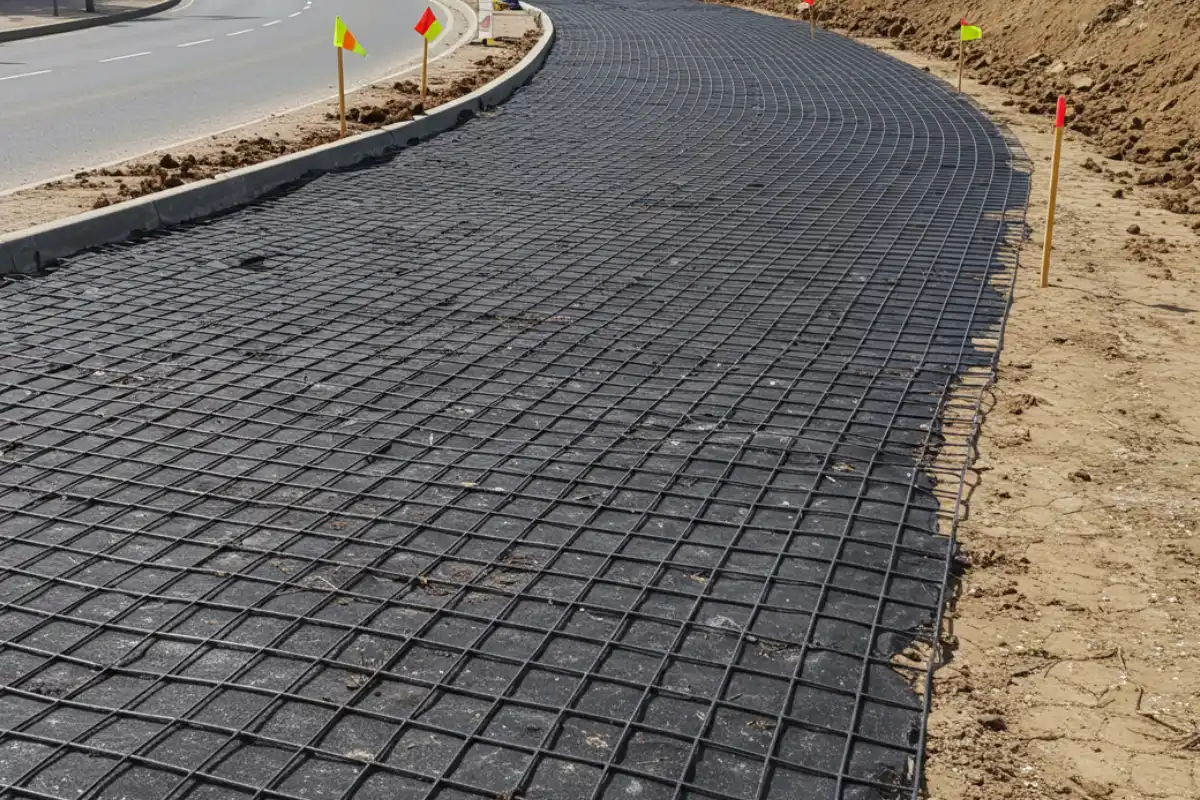
Key Specifications to Check Before Purchasing
Different projects require different performance characteristics. A heavier material is not automatically the correct solution.
Important purchasing parameters include:
| Specification | Purchasing Consideration |
|---|---|
| Material | PP or PET |
| Product type | Woven or nonwoven |
| Unit weight | Usually specified in g/m² |
| Tensile strength | Important for stabilization and reinforcement |
| Elongation | Indicates deformation under tensile loading |
| CBR puncture | Important for installation and aggregate loading |
| Permeability | Critical for drainage and filtration |
| Opening size | Influences soil retention performance |
| Roll size | Affects installation and container loading |
If your project has an ASTM, ISO, EN, or tender specification, send the technical requirements when requesting a quotation. This allows the supplier to recommend a matching geotextile fabric specification instead of quoting a generic product based solely on weight.
Retaining Wall and Road Construction Applications
Retaining walls require effective drainage because accumulated water can increase hydrostatic pressure behind the structure. Nonwoven geotextiles are commonly installed as filtration and separation layers, helping water enter the drainage system while limiting migration of fine soil particles.
Road projects have different requirements. The material may be installed between soft subgrade and aggregate to reduce intermixing, improve separation, and maintain the performance of the granular layer.
For these applications, buyers can review geotextile fabric solutions for retaining walls according to soil conditions, required filtration performance, tensile properties, and project design.
How to Order the Right Specification
Before purchasing, prepare the basic project information so the manufacturer can recommend an appropriate product and calculate a more accurate quotation.
Provide the application, woven or nonwoven requirement, material, GSM or tensile strength, roll dimensions, applicable testing standard, total quantity, destination port, and expected delivery schedule.
Roll dimensions should also be evaluated carefully. Appropriate roll widths can reduce overlaps and installation work, while optimized roll lengths can improve container utilization and lower logistics costs for bulk orders.
Geofantex supplies woven and nonwoven geotextiles for infrastructure, retaining walls, drainage, erosion control, environmental engineering, and soil stabilization projects. Buyers can submit technical specifications or tender documents for product matching.
For bulk geotextile fabric procurement, send us your required specification, quantity, application, and destination port to receive a product recommendation and project quotation.


Comments
Post a Comment