Geocomposite vs Geotextile: Key Differences and Selection
Geocomposite vs geotextile is an important comparison for contractors, engineers, distributors, and procurement teams selecting materials for drainage, filtration, separation, and soil stabilization projects. Understanding how these products differ helps buyers choose an appropriate specification, control installation costs, and avoid purchasing a material that does not match actual site conditions.
What Are Geotextiles and Geocomposites?
Geotextiles are permeable synthetic materials typically manufactured from polypropylene or polyester. They are commonly available as woven or nonwoven products and are used for separation, filtration, protection, drainage, and reinforcement.
A geocomposite combines two or more geosynthetic components into an integrated product. A typical drainage composite, for example, may consist of a three-dimensional drainage core bonded with one or two geotextile layers.
This combination allows different engineering functions to be performed within one system. It can be particularly useful where drainage capacity, construction space, and installation efficiency are important design considerations.
For buyers comparing specifications, our geocomposite vs geotextile product selection guide can help identify which structure better matches the required engineering function.
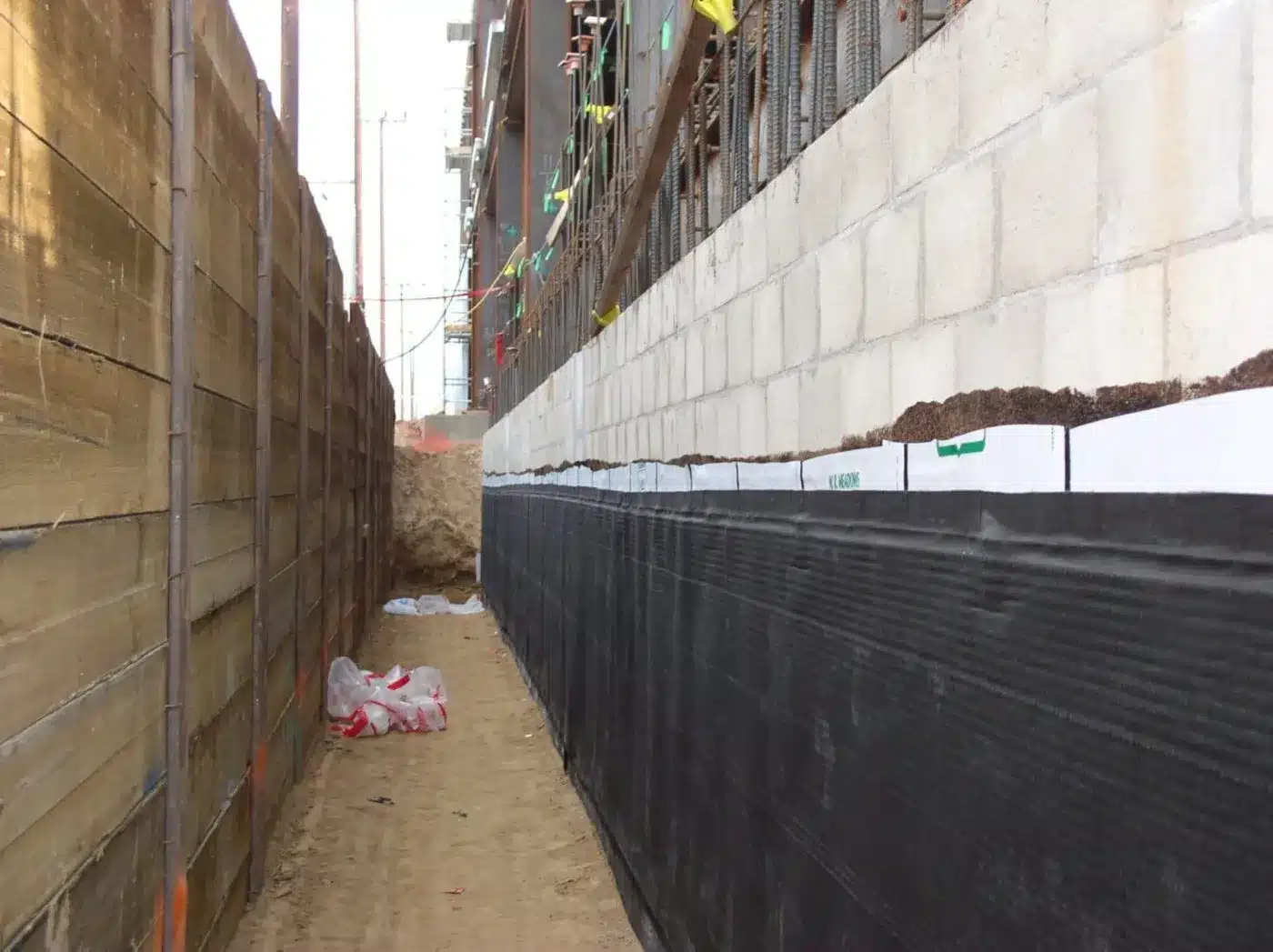
Geocomposite vs Geotextile for Road Projects
Road construction requires effective separation, filtration, drainage, and subgrade stabilization to maintain long-term pavement performance.
Geotextiles are frequently installed between the subgrade and aggregate layers. They help prevent different soil layers from mixing while allowing water to pass through the system. Depending on the product type, they may also contribute to stabilization and protection.
Geocomposites are particularly useful when drainage is a major concern. An engineered drainage core can provide a defined flow path for water, while attached geotextile layers help prevent soil particles from entering the drainage structure.
This can make composite systems suitable for road shoulders, retaining structures, embankments, subsurface drainage, and other locations where controlling accumulated water is critical.
Material selection should consider tensile properties, filtration characteristics, hydraulic performance, soil conditions, traffic loading, and expected service life rather than simply comparing unit prices.
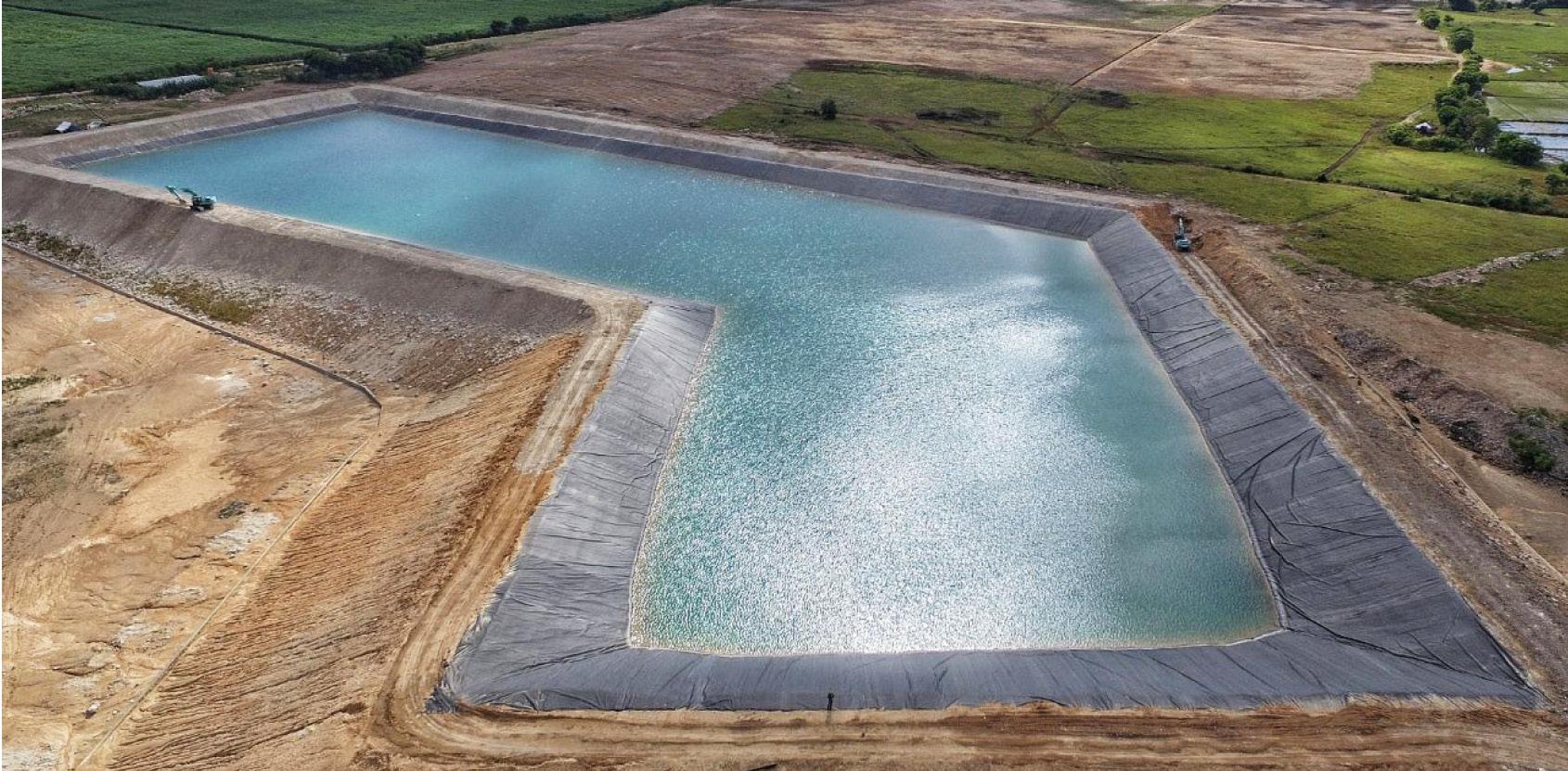
Geocomposite vs Geotextile for Coastal Engineering
Coastal projects expose geosynthetic materials to demanding conditions involving water movement, erosion, variable soils, and installation stresses.
Geotextiles are commonly used beneath rock structures, revetments, and erosion-control systems. Their filtration function can retain soil particles while allowing water to move through the material, helping reduce soil loss beneath protective layers.
Composite products can provide additional functionality when drainage or multiple performance requirements must be integrated into a single system.
The appropriate solution depends on hydraulic conditions, soil particle distribution, required filtration performance, mechanical loading, and installation environment.
For coastal contractors and engineering buyers, reviewing geocomposite vs geotextile specifications for civil engineering before procurement can reduce the risk of selecting products based only on weight or thickness.
Key Performance Differences
The main difference is product structure.
A geotextile generally provides specific functions through a single woven or nonwoven layer. A geocomposite integrates different materials so that several functions can be achieved within one manufactured system.
Important parameters to compare include:
- Tensile strength and elongation
- Water permeability
- In-plane flow capacity
- Apparent opening size
- Puncture resistance
- Compressive performance
- Polymer type
- Product thickness
- Roll dimensions
For drainage applications, buyers should pay particular attention to flow capacity under the expected project load. Laboratory performance should also be evaluated against actual site conditions rather than considered in isolation.
How to Select the Right Material
Before requesting a quotation, provide the supplier with as much project information as possible. Useful details include application, soil conditions, required technical standards, dimensions, expected loads, drainage requirements, project quantity, and destination.
The cheapest material per square meter is not necessarily the most economical installed solution. Labor, transportation, installation speed, aggregate requirements, excavation, overlaps, and long-term maintenance can significantly affect total project cost.
A correctly specified composite product may reduce the number of separately installed layers. Conversely, a conventional geotextile may be the more economical option where only filtration, separation, or protection is required.
Our geocomposite vs geotextile technical comparison service can support buyers in evaluating these factors before confirming specifications and quantities.
Choosing a Geosynthetics Supplier
A reliable supplier should provide more than a price list. Technical data, consistent manufacturing, quality documentation, third-party testing, customization capability, export packaging, and responsive engineering support are important for international projects.
Geofantex supplies geotextiles, drainage geocomposites, geogrids, geomembranes, geocells, and related geosynthetic products for road, coastal, environmental, hydraulic, and infrastructure applications.
For project-based procurement, send us your required specification, application, quantity, and destination. Our team can review your requirements, recommend a suitable product configuration, and prepare a competitive quotation.


Comments
Post a Comment