What Is Geocomposite? Industry Cases and Engineering Applications
What is geocomposite? If you are sourcing geosynthetic materials for highways, mining, landfills, or drainage systems, understanding how geocomposites work can help you choose a more efficient and cost-effective solution. A geocomposite combines two or more geosynthetic materials into one product, delivering multiple engineering functions such as drainage, filtration, separation, reinforcement, or protection while reducing installation time and overall project costs.
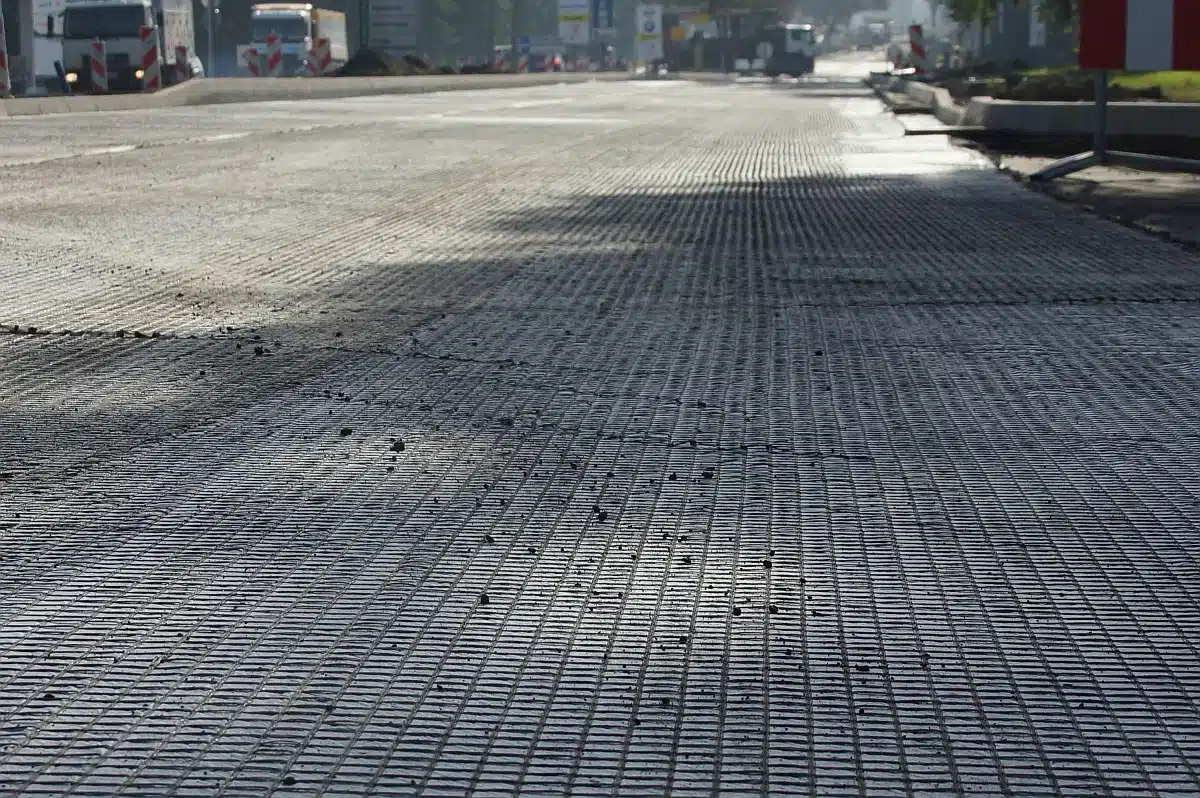
What Is Geocomposite and How Does It Work?
These products are manufactured by combining different geosynthetic materials, such as nonwoven geotextiles, geonets, geomembranes, or drainage cores, into a single engineered structure. Instead of installing several individual layers, engineers can use one product to perform multiple tasks at the same time.
For example, a drainage geocomposite usually consists of a polymer drainage core bonded between two layers of nonwoven geotextile. The drainage core rapidly transports water, while the geotextiles prevent soil particles from clogging the drainage path. Other products combine geomembranes with cushioning geotextiles for liner protection or integrate reinforcement and separation functions for transportation infrastructure.
For buyers comparing different solutions, understanding what geocomposite for drainage applications is helps determine whether a composite system can replace traditional gravel drainage while reducing transportation, labor, and installation costs.
What Is Geocomposite Used for in Highway Engineering?
Transportation infrastructure is one of the largest markets for these engineered solutions.
A highway retaining wall project in Germany experienced continuous groundwater pressure behind reinforced soil walls. Traditional gravel drainage occupied valuable space and required significant excavation. Engineers replaced the aggregate drainage layer with drainage geocomposites installed directly against the retaining wall.
The results were significant. Construction time was reduced by nearly 30%, transportation costs decreased because fewer aggregate materials were required, and long-term drainage performance remained stable even under continuous loading. The thinner drainage system also allowed greater flexibility in the retaining wall design.
Today, geocomposites are widely specified for highways, railways, airports, tunnels, bridge abutments, and retaining walls because they combine filtration and drainage into one lightweight product.
For infrastructure contractors evaluating drainage solutions, the advantages of what is geocomposite technology become especially clear when comparing lifecycle costs with traditional aggregate systems.
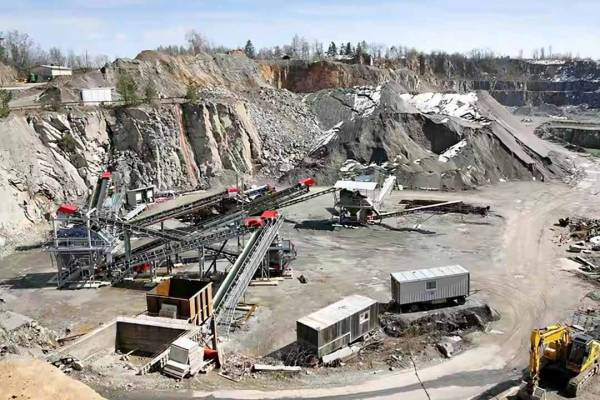
Applications in Mining Projects
Mining operations require reliable drainage and environmental protection under extremely demanding conditions, making geocomposites an increasingly popular solution.
A copper mining project in South America installed drainage geocomposites above HDPE geomembrane liners within its heap leach facility. The objective was to efficiently collect process solutions while protecting the liner from puncture and reducing hydraulic pressure.
Compared with conventional drainage gravel, the composite drainage layer significantly reduced transportation requirements because thousands of tons of aggregate no longer needed to be delivered to the remote mine site. Installation was completed much faster, and quality control improved because the drainage layer was factory manufactured with consistent thickness and hydraulic performance.
Mining engineers also value geocomposites because they maintain drainage capacity under high compressive loads while resisting chemical exposure commonly found in mining environments.
When selecting materials for containment facilities, choosing what is geocomposite for mining applications depends on drainage capacity, compressive strength, transmissivity, and long-term chemical resistance.
Why More Engineers Are Choosing Integrated Solutions
Many project owners focus on the initial material price, but the total project cost often tells a different story.
Although the initial material cost of a geocomposite may sometimes be higher than purchasing individual components separately, the overall project cost is frequently lower. Integrated products reduce labor requirements, shorten construction schedules, minimize transportation expenses, and simplify quality control.
Because fewer installation steps are required, contractors can reduce project risks associated with improper field assembly. In addition, factory-controlled manufacturing provides more consistent product performance than assembling multiple materials on site.
Modern infrastructure projects increasingly prioritize sustainability and lifecycle value. Geocomposites reduce natural aggregate consumption, lower carbon emissions associated with transportation, and improve long-term maintenance performance through efficient drainage and filtration.
Whether the project involves highways, mining facilities, landfills, retaining walls, or underground structures, choosing the appropriate geocomposite can improve operational efficiency while extending infrastructure service life.
What is geocomposite? It is an advanced geosynthetic solution that combines multiple engineering functions into one integrated product. From highway drainage projects in Germany to large-scale mining operations in South America, geocomposites have demonstrated measurable improvements in construction efficiency, drainage performance, and long-term durability.
As infrastructure projects continue demanding lower lifecycle costs and higher engineering performance, geocomposites are becoming the preferred solution for transportation, environmental, hydraulic, and mining applications. Working with an experienced geosynthetics manufacturer ensures the selected product matches project requirements and delivers reliable performance for decades.


Comments
Post a Comment