Non Woven Geotextile Fabric Applications and Drainage Systems
Non woven geotextile fabric Is widely used in modern geosynthetics projects for filtration, separation, and drainage. It plays a critical role in road construction, landfill engineering, and coastal protection systems where soil stability and hydraulic performance are essential for long-term infrastructure durability.
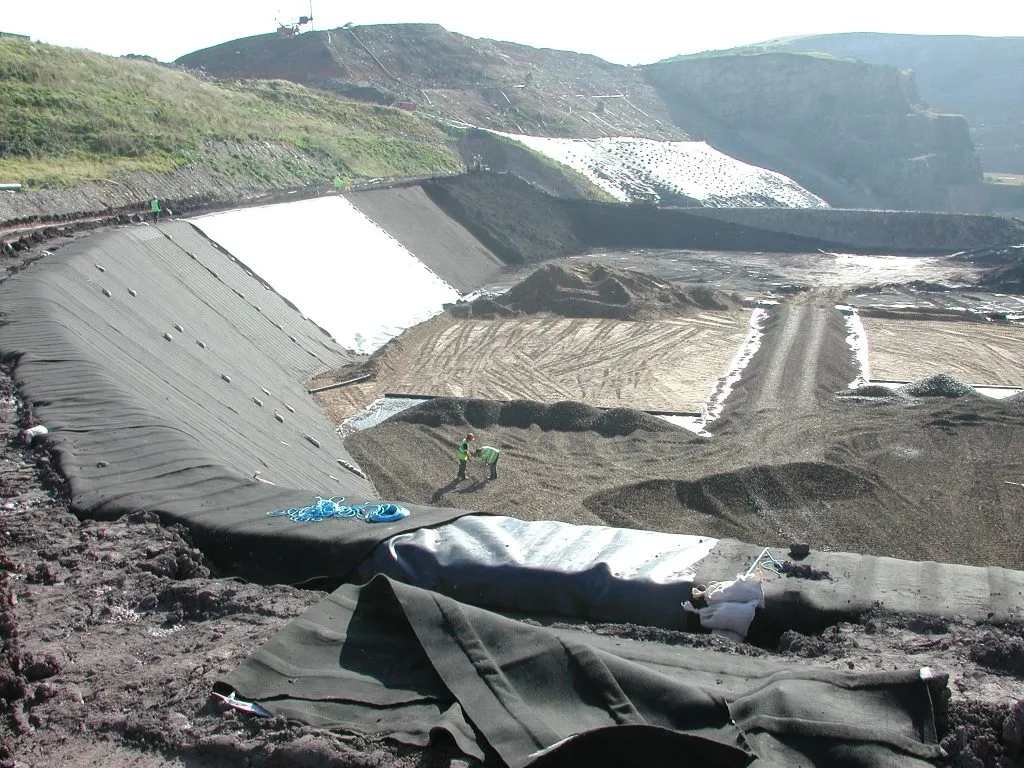
Non woven geotextile fabric in landfill engineering applications
In landfill systems, engineers must control leachate movement while protecting geomembranes to ensure environmental safety.
In a municipal landfill project in Europe, engineers designed a multi-layer liner system. A protective geotextile layer was installed above the geomembrane. It acted as a cushioning barrier and helped prevent punctures caused by sharp aggregates.
At the same time, the layer supported continuous drainage paths for leachate collection. As a result, clogging risks in drainage pipes were reduced. This improvement extended the service life of the system.
In similar projects, engineers often combine geotextile layers with gravel drainage systems. This approach improves filtration efficiency and enhances overall hydraulic performance.
For deeper design insights, advanced geosynthetics landfill filtration systems are often referenced in engineering specifications.
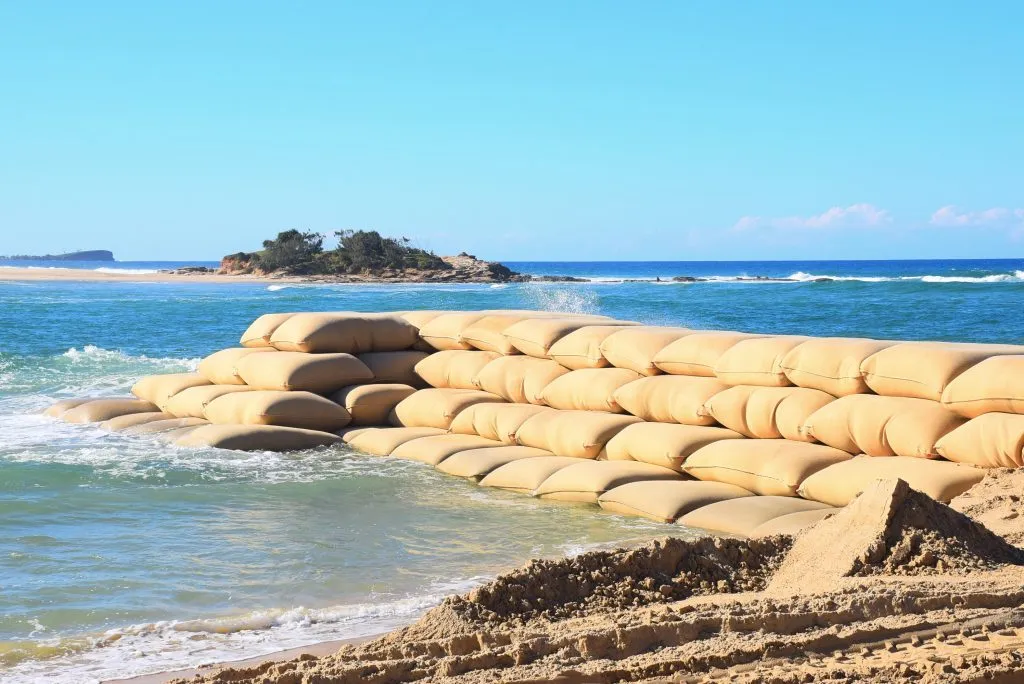
Non woven geotextile fabric in coastal and riverbank protection
Coastal and riverbank structures are constantly exposed to wave forces, tidal movement, and soil erosion, making erosion control a key engineering challenge.
In a coastal defense project in Japan, engineers constructed rock revetments to absorb wave energy. Beneath the armor stones, a geotextile layer was installed to stabilize the foundation.
The material prevented fine soil particles from being washed out while allowing water to pass freely through the structure. This improved slope stability and significantly reduced sediment loss over time.
In modern shoreline engineering, non woven geotextile fabric is widely recognized as a key component in coastal erosion control geosynthetics systems.
Geotextile use in road and railway subgrade stabilization
Weak subgrade conditions in transportation infrastructure often lead to settlement, rutting, and pavement failure if not properly reinforced.
In a highway expansion project in Southeast Asia, engineers placed a geotextile layer between soft clay soil and the aggregate base. This separation prevented soil and aggregate from mixing.
As a result, pavement deformation was significantly reduced and maintenance intervals were extended. The drainage performance was also improved, as the material allowed water to pass while retaining fine soil particles.
Modern infrastructure design increasingly adopts non woven geotextile fabric reinforced subgrade systems to improve durability in weak soil conditions.
Geotextile role in filtration and drainage systems
Filtration and drainage are core functions of geosynthetics in underground and surface engineering systems.
In subsurface drainage systems, geotextile layers act as filters. They allow water to flow freely while retaining fine soil particles. This balance helps prevent clogging in drainage aggregates. It also ensures long-term hydraulic stability.
Engineers often evaluate non woven geotextile fabric hydraulic performance systems to optimize drainage efficiency and prevent clogging.
This makes it a critical material in sustainable infrastructure development where long service life and low maintenance are required.
Across landfill containment systems, coastal protection structures, road subgrade stabilization, and drainage applications, non woven geotextile fabric demonstrates strong multifunctional performance in separation, filtration, drainage, and protection.
They improve soil stability, enhance water management, and reduce long-term maintenance requirements. As infrastructure demands continue to grow, geotextile solutions will remain a key part of sustainable engineering design.


Comments
Post a Comment