Non Woven Geotextile Fabric for French Drain: Benefits for Long-Lasting Drainage
Non woven geotextile fabric for french drain is one of the most effective solutions for improving drainage performance while preventing soil migration into aggregate and perforated pipes. Whether you're sourcing materials for road construction, retaining walls, landscaping, or civil engineering projects, selecting the right geotextile helps extend system life, reduce maintenance, and improve long-term project reliability.
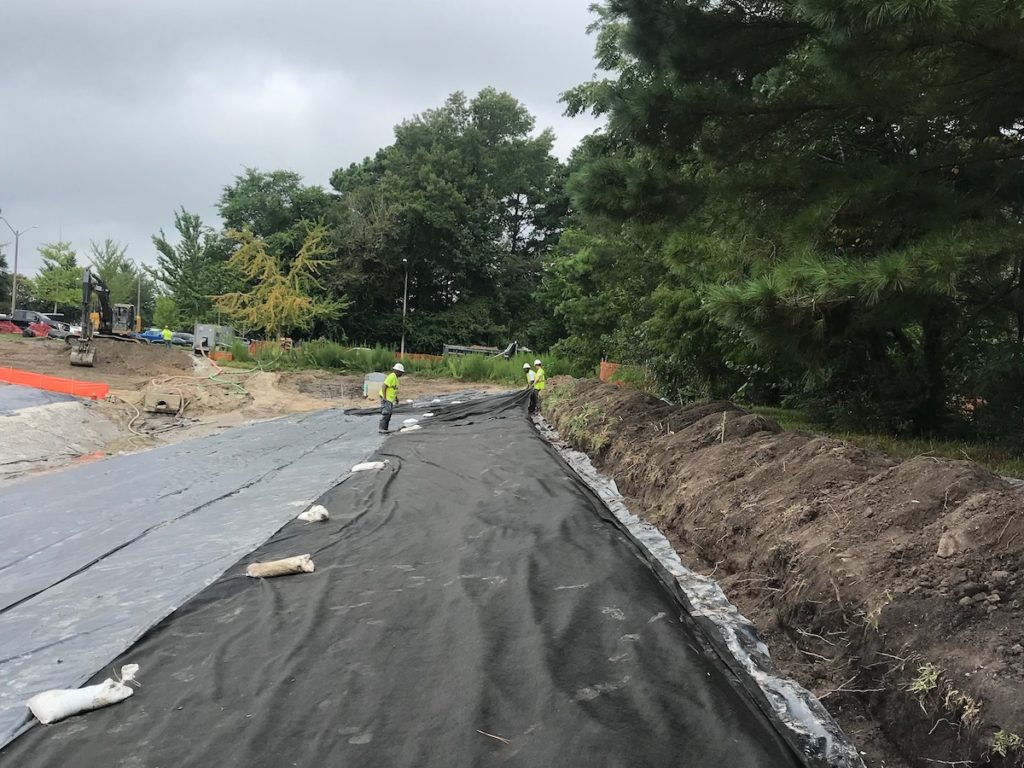
Why Choose Non Woven Geotextile Fabric for French Drain?
French drains rely on efficient water movement through gravel and perforated pipes. Without a filtration layer, fine soil particles gradually enter the drainage system, causing clogging and reducing flow capacity.
A needle-punched geosynthetic creates a porous structure that allows water to pass while retaining surrounding soil. This simple function helps preserve the drainage path and protects the aggregate from contamination.
Its major engineering functions include:
- Soil filtration
- Drainage
- Separation
- Aggregate protection
- Extended drainage system lifespan
Compared with woven geotextiles, non woven materials provide significantly better hydraulic performance, making them the preferred choice for drainage applications.
For projects requiring reliable filtration performance, many engineers also evaluate non woven geotextile fabric for french drain selection guidelines when choosing the appropriate fabric weight and permeability.
Where Is Non Woven Geotextile Fabric for French Drain Used?
Although French drains are common in residential construction, the same filtration technology is widely used in large civil engineering projects.
Typical applications include:
Road Construction
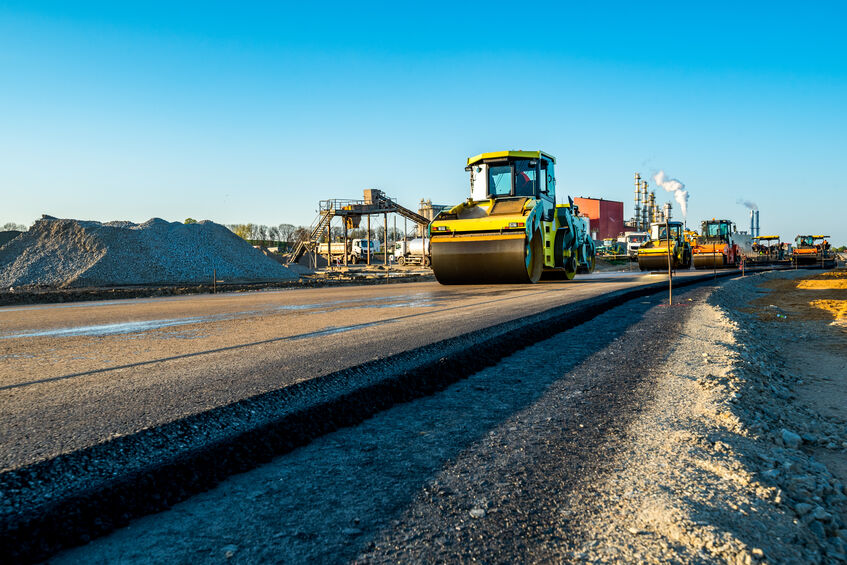
Placed beneath aggregate layers, non woven geotextiles separate soft subgrade from crushed stone while improving drainage beneath roads and highways. This reduces pavement settlement and extends pavement service life.
Retaining Walls
Behind retaining walls, geotextiles wrap drainage aggregate and perforated collector pipes. They prevent soil particles from clogging drainage systems while reducing hydrostatic pressure behind the wall.
Other Applications
- Foundation drainage
- Basement waterproofing systems
- Sports field drainage
- Railway drainage
- Landfill drainage
- Landscape drainage systems
For drainage-intensive infrastructure, many contractors specify high-performance non woven geotextile fabric for french drain applications to maximize filtration efficiency under varying soil conditions.
How Does Non Woven Geotextile Improve Drainage Performance?
Effective drainage depends on keeping water moving while preventing soil migration. A filtration layer achieves both objectives through its open fiber structure.
Instead of blocking water, it performs selective filtration by allowing water to pass while preventing fine particles from entering the aggregate.
The process works as follows:
- Water infiltrates the surrounding soil.
- The geotextile filters suspended particles.
- Clean water enters the gravel layer.
- Water flows into the perforated pipe.
- The drainage system maintains long-term hydraulic capacity.
Because sediment accumulation is minimized, maintenance frequency is greatly reduced over the lifespan of the drainage system.
How to Select the Right Non Woven Geotextile?
Choosing the proper material depends on soil characteristics, drainage flow, and construction loads.
Important selection criteria include:
- Fabric weight (100–300 g/m² is common)
- Water permeability
- Apparent Opening Size (AOS)
- Tensile strength
- Puncture resistance
- UV and chemical resistance
Heavy civil engineering projects generally require stronger fabrics, while residential French drains often prioritize permeability and filtration efficiency.
Before procurement, many buyers compare non woven geotextile fabric for french drain specifications and engineering performance to ensure compliance with ASTM or ISO testing standards.
Selecting the right non woven geotextile fabric for french drain improves drainage efficiency, protects aggregate from contamination, and significantly extends the service life of drainage infrastructure. Whether used beneath roads, behind retaining walls, or around foundation drainage systems, high-quality non woven geotextiles provide reliable filtration and long-term performance. Working with an experienced geosynthetics manufacturer ensures your drainage project meets engineering requirements while reducing lifecycle maintenance costs.


Comments
Post a Comment