Geosynthetic Reinforcement Is Transforming Modern Infrastructure Projects
Geosynthetic reinforcement has become a preferred solution for contractors, engineers, and procurement managers looking to improve soil stability while reducing construction costs and project risks. Whether building retaining walls, highways, mining facilities, or industrial platforms, reinforced geosynthetic systems provide long-term performance, faster installation, and sustainable engineering benefits that help projects achieve greater value over their entire service life.
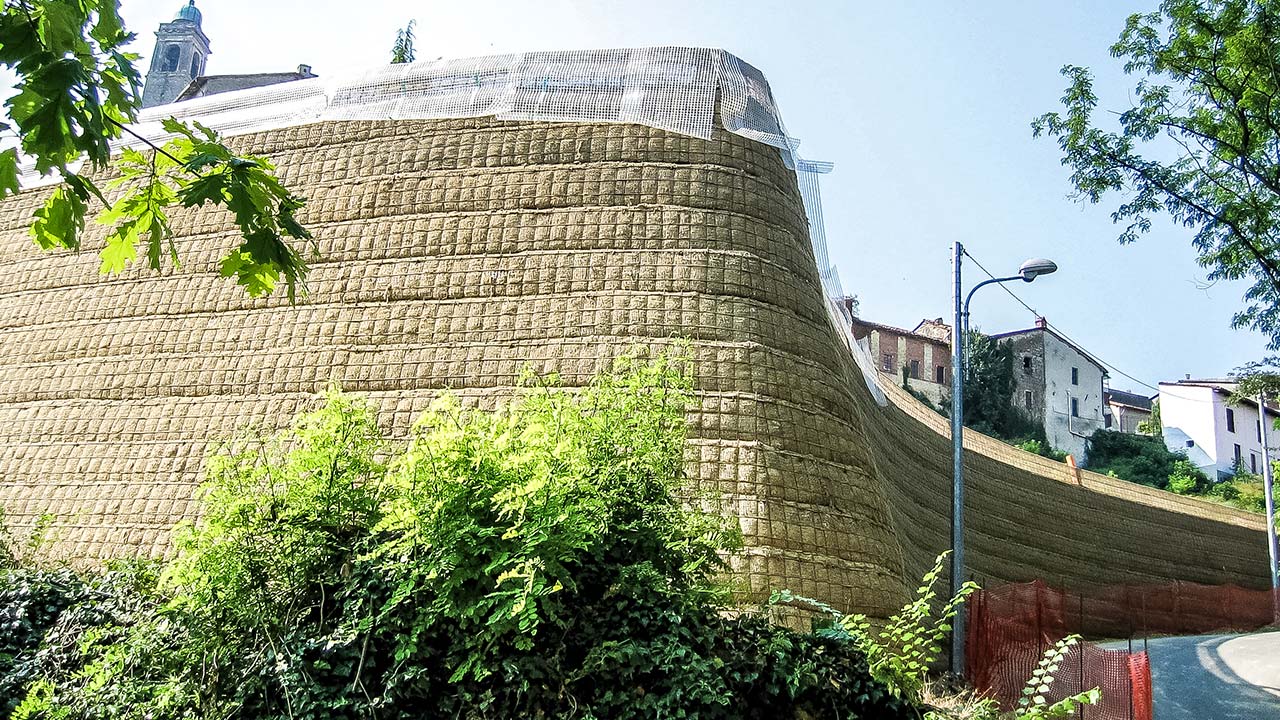
Why Geosynthetic Reinforcement Is Essential for Modern Infrastructure
Infrastructure developments today are expected to support heavier loads, withstand extreme environmental conditions, and remain cost-effective throughout their design life. Traditional soil improvement methods often require significant excavation, imported fill materials, and extended construction schedules.
Engineered materials provide a practical alternative. They improve load distribution, increase soil stability, and reduce settlement. Products such as geogrids, woven geotextiles, and composite materials work together with the surrounding soil to create durable structures for demanding civil engineering projects.
For procurement teams seeking reliable engineering materials, selecting a qualified manufacturer ensures consistent product quality, international compliance, and dependable project support. Learn more about geosynthetic reinforcement solutions for infrastructure projects to evaluate the right material for your application.
Geosynthetic Reinforcement for Retaining Walls and Slope Stability
Retaining walls are among the most common applications for reinforced soil technology. By integrating high-strength geogrids within compacted fill, engineers can construct mechanically stabilized earth (MSE) walls that provide exceptional structural integrity while reducing concrete usage.
Compared with conventional retaining structures, reinforced soil walls offer several advantages:
- Higher flexibility under differential settlement
- Lower construction and transportation costs
- Faster installation with reduced labor requirements
- Excellent long-term durability
- Attractive architectural finishes
These materials also play an important role in slope stabilization. They improve shear resistance and help reduce soil movement. Because of these benefits, engineers frequently use them in highway embankments, railway projects, bridge approaches, and urban developments where stability is essential.
Project owners can further optimize design efficiency by consulting experts in advanced geosynthetic reinforcement engineering services before material selection and installation planning.

Mining Applications Deliver Long-Term Value
Mining operations require ground stabilization solutions capable of performing under heavy equipment loads and challenging environmental conditions. Reinforced geosynthetic systems are extensively used for haul roads, working platforms, waste containment facilities, tailings dams, and stockpile foundations.
They increase bearing capacity and reduce the amount of aggregate required during construction. Better load distribution also minimizes rutting and extends pavement life. Consequently, mine operators can reduce maintenance costs and limit operational downtime.
High-performance materials manufactured from durable polymers also provide excellent resistance to chemical exposure, biological degradation, and ultraviolet radiation, making them suitable for demanding mining environments worldwide.
Engineering teams often benefit from reviewing custom geosynthetic reinforcement design support when selecting products for large-scale mining and industrial developments.
Selecting the Right Manufacturing Partner
Choosing the correct reinforcement material is only part of a successful project. A professional geosynthetics manufacturer delivers technical expertise throughout the project lifecycle, from product recommendation and engineering calculations to quality assurance and logistics coordination.
When evaluating suppliers, buyers should consider:
- ISO-certified manufacturing processes
- International testing standards
- Stable product quality
- Custom product specifications
- Technical engineering assistance
- Global export experience
- Reliable delivery schedules
An experienced supplier can help reduce procurement risks while ensuring that every solution meets project specifications and long-term performance requirements.
Future Trends in Reinforced Infrastructure
As governments continue investing in transportation networks, renewable energy facilities, mining expansion, and environmental protection projects, demand for advanced reinforcement technologies is expected to grow steadily. Sustainable construction practices increasingly emphasize reducing carbon emissions, minimizing material consumption, and extending infrastructure service life.
Geosynthetic reinforcement enables engineers to meet these objectives through efficient design, reduced excavation, and improved structural performance. For organizations seeking durable, economical, and environmentally responsible ground improvement solutions, reinforced geosynthetic systems remain one of the most effective investments for modern civil engineering projects.


Comments
Post a Comment