Geomembrane Installation: Key Steps and Engineering Applications
Geomembrane installation is an essential service for engineering projects requiring reliable waterproofing, leak prevention, and environmental protection. Selecting suitable geomembrane materials and professional installation methods helps customers build durable liner systems for reservoirs, landfills, mining sites, and industrial facilities.
Why Is Geomembrane Installation Important for Engineering Projects?
Geomembranes are impermeable synthetic liners commonly produced from high-density polyethylene (HDPE), low-density polyethylene (LDPE), and PVC materials. They are widely used to control liquid migration and protect soil, groundwater, and surrounding environments.
These liners help control liquid movement and protect soil, groundwater, and surrounding environments. They provide an effective barrier for projects that require reliable containment and waterproof performance.
A well-designed liner system depends on several factors. These include proper site preparation, accurate panel placement, reliable welding methods, and strict quality inspections.
The main construction stages include:
- Site preparation and subgrade inspection
- Geomembrane panel layout and deployment
- Thermal fusion or extrusion welding
- Seam testing and quality inspection
- Final protection and acceptance procedures
For large-scale infrastructure projects, professional installation support helps reduce construction risks and improves the long-term reliability of the liner system.
What Are the Key Steps in Geomembrane Installation?
Successful geomembrane installation requires careful planning, skilled technicians, and strict quality control throughout the construction process.
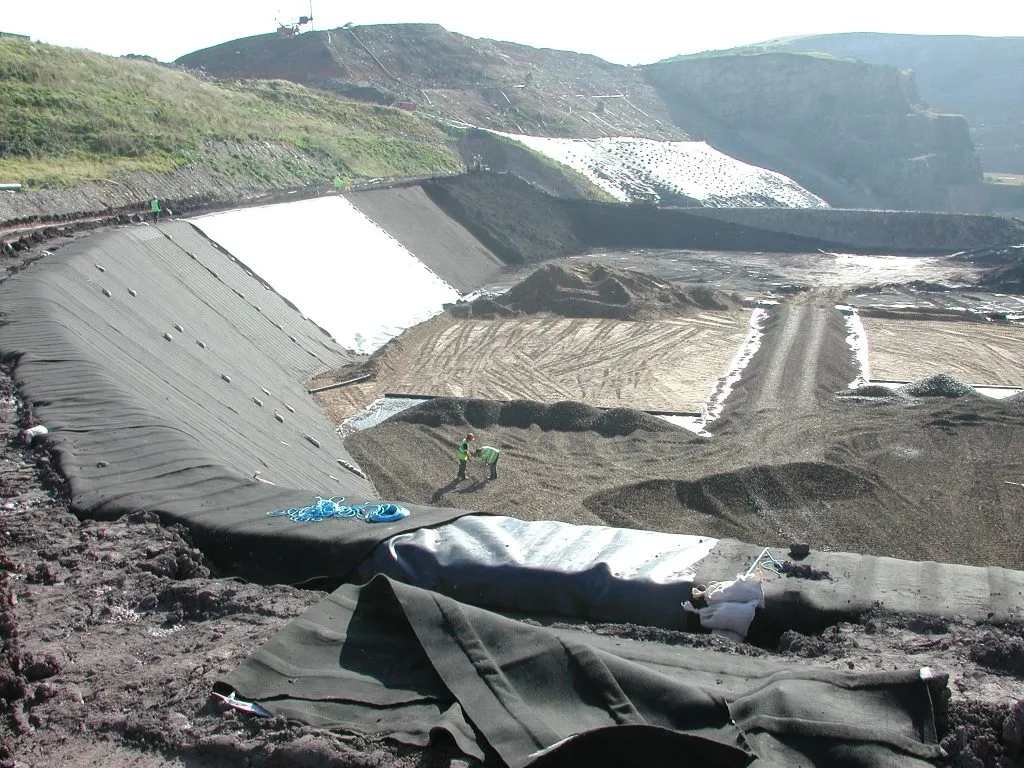
The first step is surface preparation. The foundation must be smooth, compacted, and free from sharp objects that could damage the liner. Proper site conditions help prevent punctures, wrinkles, and stress concentration during operation.
After preparation, geomembrane rolls are transported and deployed according to engineering drawings. Installers carefully position each panel while controlling tension and overlap requirements.
The next stage is seam welding, which is one of the most important parts of liner construction. Common welding methods include hot wedge welding and extrusion welding. After welding, technicians conduct non-destructive and destructive tests to verify seam strength and waterproof performance.
For contractors planning environmental projects, geomembrane installation process for landfill projects provides useful guidance on material placement, welding procedures, and inspection requirements.
How Are Geomembrane Liner Systems Used in Reservoirs and Landfills?
Geomembrane liner systems play an important role in water management and environmental protection projects.
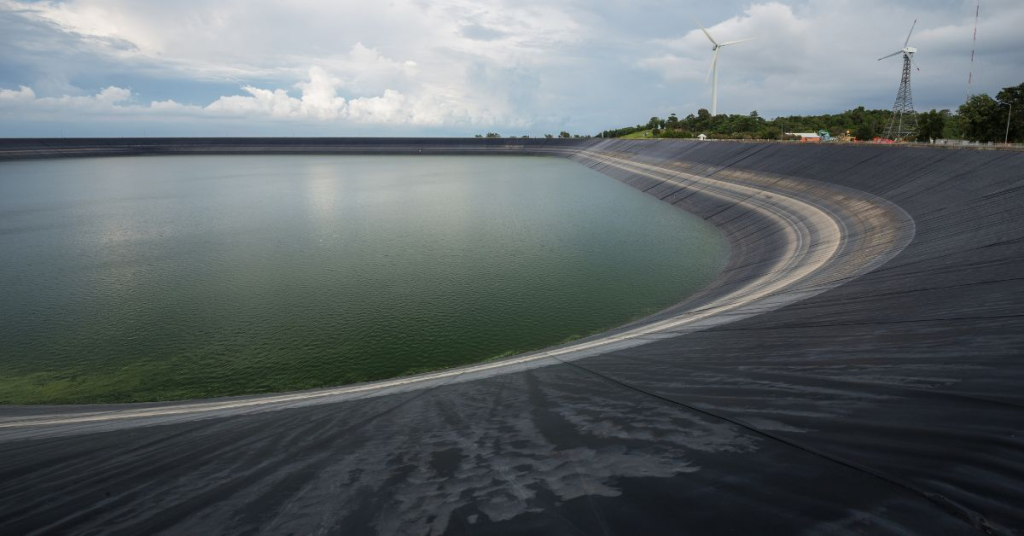
In reservoir construction, geomembranes create an impermeable barrier that reduces water leakage and improves storage efficiency. They are commonly used in artificial lakes, irrigation channels, and water conservation facilities where long-term waterproof performance is required.
In landfill engineering, geomembranes are installed as a primary containment layer to prevent leachate from migrating into surrounding soil and groundwater. Combined with geotextiles and drainage systems, they provide a complete environmental protection solution.
Mining operations also use geomembrane liners for heap leach pads, tailings storage areas, and wastewater containment facilities because of their excellent chemical resistance and durability.
How Can Companies Improve the Quality of Liner Projects?
High-quality projects require careful selection of both materials and installation partners. Project owners should evaluate manufacturing standards, technical experience, and construction management capabilities before starting a liner project.
Important factors include:
- Certified raw materials and consistent production quality
- Experienced installation teams
- Professional welding and testing procedures
- Customized liner specifications
- Complete quality documentation
Working with an experienced geosynthetics manufacturer allows customers to receive technical recommendations, suitable product selection, and project support.
For different applications, HDPE geomembrane installation solutions can provide reliable performance for reservoirs, landfill containment systems, mining facilities, and industrial wastewater projects.
A professional construction approach helps maximize the benefits of geomembrane systems, including improved environmental safety, reduced maintenance requirements, and extended service life.
For global infrastructure projects, choosing the right materials and qualified technical partners is essential. Professional geomembrane installation services help ensure that geosynthetic liner systems achieve reliable performance and long-term protection.


Comments
Post a Comment