Geogrid Mesh: Case Studies in Ground Reinforcement
Geogrid mesh is widely used by contractors, engineers, and project buyers to improve weak ground conditions while reducing construction costs. Whether for mining haul roads or slope stabilization projects, selecting the right geogrid solution helps increase load-bearing capacity, minimize settlement, and extend infrastructure service life. This article examines two real-world engineering cases and explains why geogrid reinforcement has become an essential part of modern civil engineering.
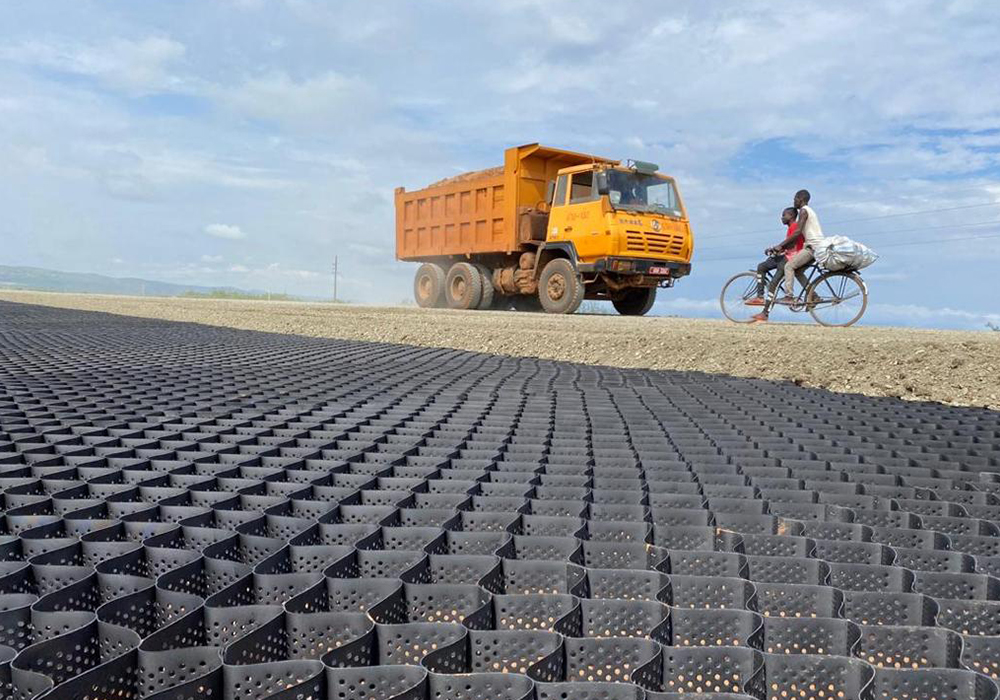
Geogrid Mesh in Mining Infrastructure
Mining operations place enormous stress on haul roads and working platforms. Heavy dump trucks carrying hundreds of tons generate repeated loads that can quickly deform weak subgrades if they are not properly reinforced.
One practical example comes from a large iron ore mine in Western Australia. Engineers experienced frequent rutting and aggregate loss on internal haul roads, leading to high maintenance costs and production delays.
Instead of adding a thicker aggregate layer, engineers installed a reinforcement layer beneath the crushed stone. This approach helped distribute vehicle loads more evenly and improved the stability of the underlying soil.
After installation, the project achieved several measurable improvements:
- Reduced rut depth during heavy vehicle traffic
- Lower aggregate consumption
- Longer maintenance intervals
- Improved vehicle operating efficiency
- Reduced overall lifecycle costs
Mining companies increasingly prefer geogrid reinforcement because it delivers long-term structural stability while minimizing downtime.
For projects involving heavy traffic and difficult soil conditions, geogrid mesh for mining road reinforcement provides a practical solution for improving pavement performance.
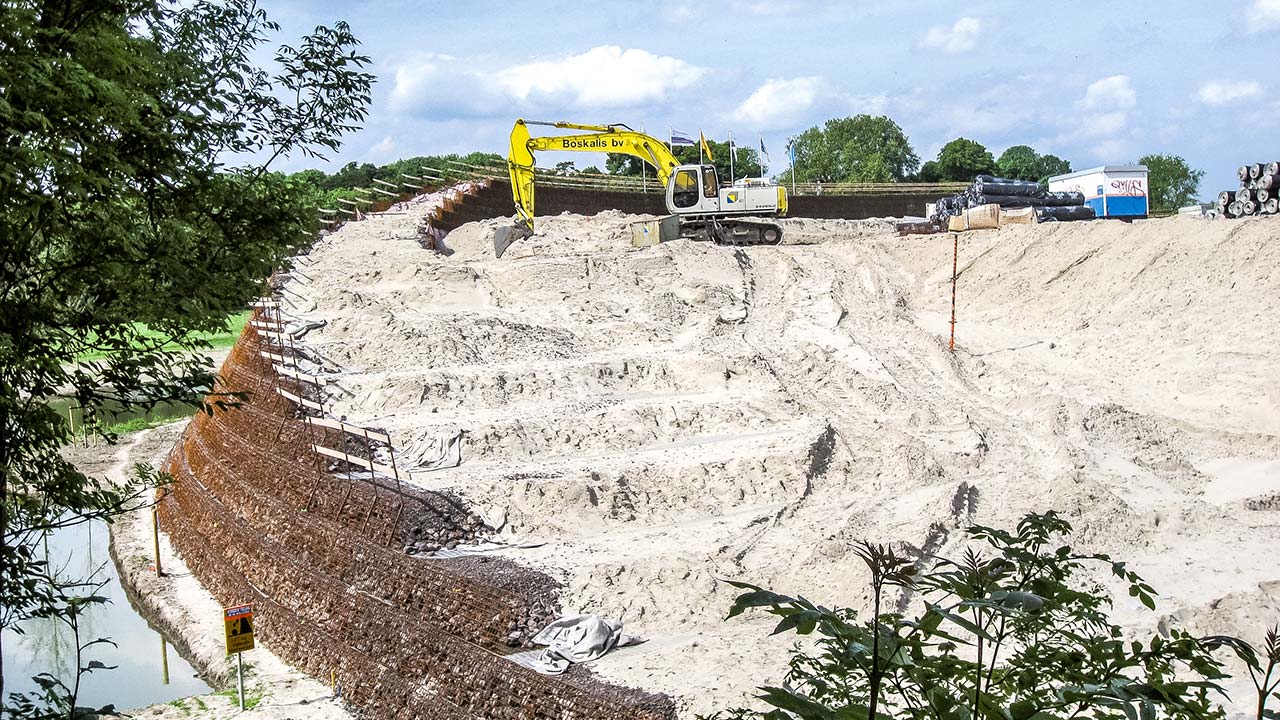
Geogrid Mesh for Slope Stabilization Projects
Slope instability is a common challenge in highways, railways, land development, and mining areas. Rainfall, erosion, and weak soils can gradually reduce slope safety if proper reinforcement is not installed.
One highway expansion project in Southeast Asia involved several embankments built on weathered soil with relatively low shear strength.
Engineers reinforced the embankments using a high-performance stabilization system together with compacted fill. This design increased the strength of the soil mass and improved long-term stability.
Project benefits included:
- Increased internal soil stability
- Reduced risk of slope movement
- Better resistance to rainfall erosion
- Lower earthwork quantities
- Faster construction compared with conventional retaining structures
Following several rainy seasons, field inspections confirmed that the reinforced slopes remained stable with no significant deformation.
Many transportation agencies now consider geogrid mesh one of the preferred reinforcement materials for mechanically stabilized earth (MSE) structures and reinforced embankments.
For engineers designing reinforced earth systems, geogrid mesh for slope stabilization applications offers an effective balance between structural performance and construction efficiency.
Choosing the Right Reinforcement Solution
Selecting an appropriate geogrid depends on several engineering factors rather than simply choosing the highest tensile strength.
Important considerations include:
- Soil type and bearing capacity
- Design traffic load
- Aggregate gradation
- Required tensile strength
- Aperture size compatibility
- Environmental conditions
- Long-term creep resistance
A complete geotechnical evaluation helps determine the most suitable reinforcement system for each project.
When sourcing reinforcement materials internationally, buyers should also verify product certifications, quality control procedures, and manufacturing experience to ensure consistent project performance.
For international infrastructure projects, geogrid mesh supplier with customized engineering solutions can help optimize both technical performance and overall project cost.
From mining haul roads to reinforced slopes, geogrid mesh has consistently demonstrated its ability to improve ground stability, reduce maintenance requirements, and extend infrastructure service life. Real engineering projects in Australia and Southeast Asia show that geogrid reinforcement provides measurable economic and technical benefits under demanding site conditions. By selecting the appropriate geogrid specification and following proper installation practices, contractors and engineers can build more durable, efficient, and sustainable infrastructure.


Comments
Post a Comment