Geogrid Driveway: Geosynthetics Solutions for Stronger Driveways
A geogrid driveway is widely used in modern geosynthetics engineering to stabilize weak subgrades, reduce rutting, and improve long-term load-bearing performance. For buyers and project contractors, selecting the right reinforcement system is essential to ensure durability and reduce maintenance costs.
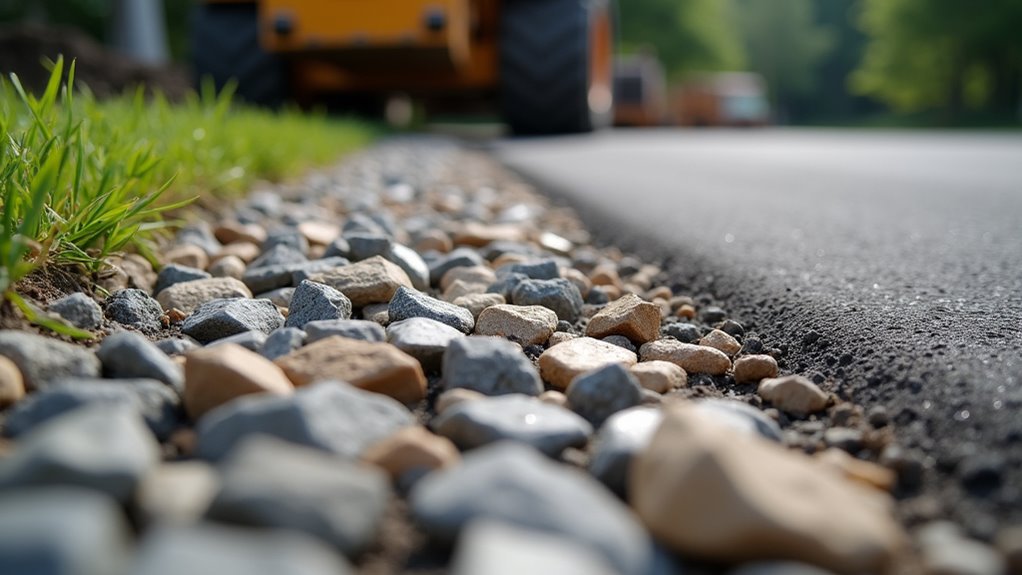
Geogrid Driveway Benefits in Soil Stabilization
This system improves performance by creating lateral confinement within the aggregate layer. When gravel is placed over the reinforcement grid, particles lock into the apertures and form a composite base. As a result, vertical deformation is reduced, and subgrade pumping is prevented.
Typical benefits include:
- Increased bearing capacity on soft soil
- Reduced aggregate thickness requirements
- Improved resistance to traffic-induced rutting
- Longer service life of driveway structures
In engineering practice, many contractors adopt this reinforcement method as a cost-effective alternative to full excavation and replacement.
Geogrid Driveway Structure and Geosynthetics Layer Design
A properly designed system integrates multiple geosynthetic layers to achieve reliable performance. Typically, the structure includes:
- Geotextile separation layer to prevent soil-aggregate mixing
- Geogrid reinforcement layer for load distribution
- Compacted aggregate surface layer for traffic use
This layered system ensures that stress is distributed across a wider area, reducing localized failure. Engineers often specify geosynthetics combinations depending on soil type and traffic load requirements.
In many projects, contractors prefer to use geosynthetics in geogrid driveway systems to improve long-term structural reliability and reduce maintenance cycles.
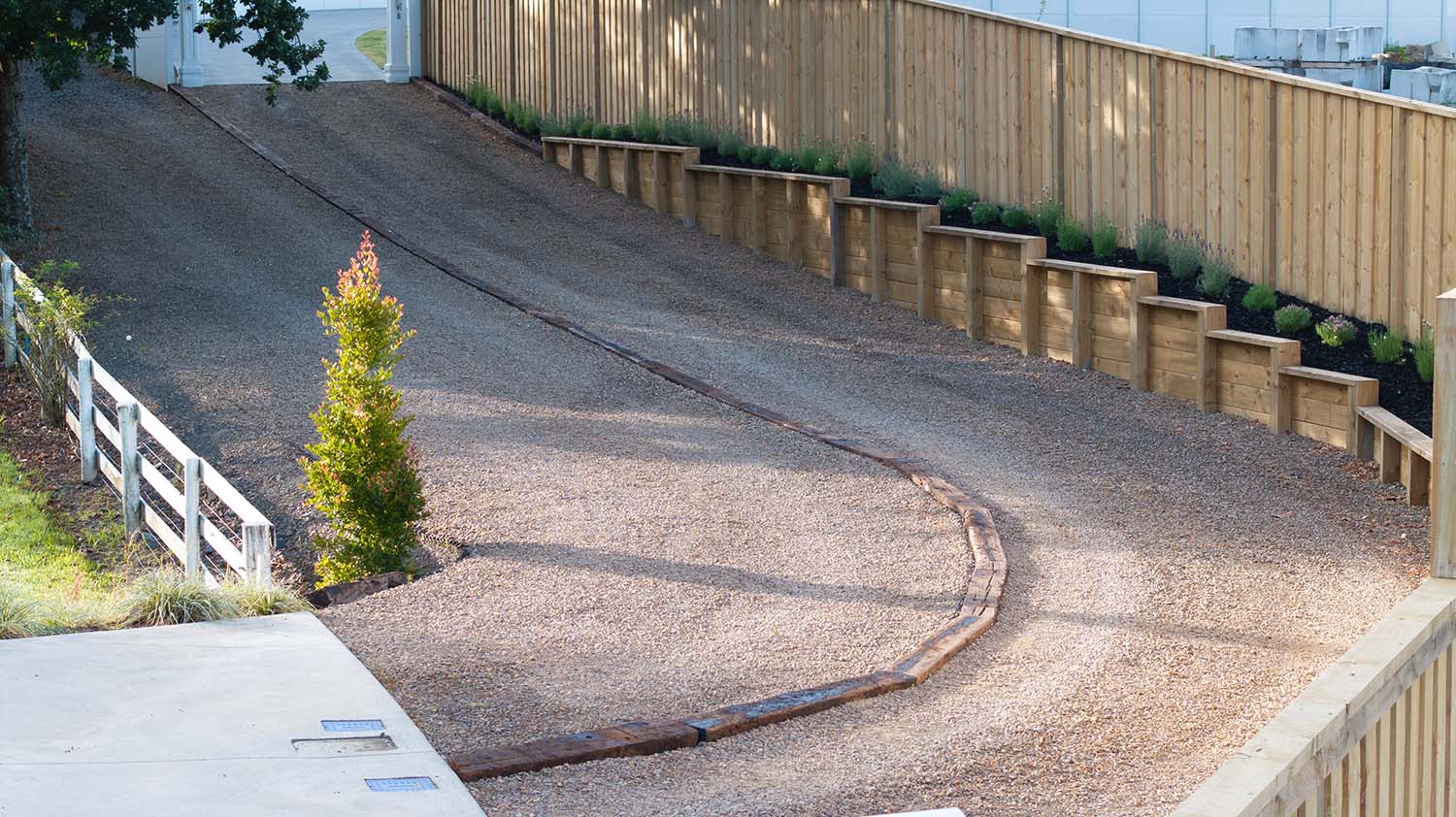
Installation Process and Key Considerations
Proper installation is essential for achieving long-term performance. The process generally includes subgrade preparation, separation layer placement, reinforcement installation, and aggregate compaction.
Key considerations:
- Ensure subgrade is leveled and free of debris
- Avoid wrinkles during geogrid placement
- Use proper overlap between adjacent geogrid rolls
- Compact aggregate in multiple controlled layers
When correctly installed, a reinforced geogrid driveway system significantly reduces settlement and surface deformation, even under heavy vehicle loads.
Contractors often rely on professional geogrid driveway solutions for road base reinforcement to achieve consistent engineering performance across different soil conditions.
Applications and Performance Optimization
This type of reinforced driveway system is suitable for residential access roads, rural driveways, industrial yards, and temporary construction routes. Its flexibility makes it a common solution in geosynthetic engineering projects.
Performance can be further optimized by:
- Selecting an appropriate aperture size based on aggregate type
- Adjusting aggregate gradation for better interlock
- Combining geogrid with high-permeability geotextiles
By integrating these design factors, a geogrid driveway system delivers superior structural stability and cost efficiency over traditional gravel-only solutions.


Comments
Post a Comment