Geocomposite Market: Common Questions and Practical Solutions
The geocomposite market continues to expand as contractors, engineers, and distributors seek high-performance geosynthetic solutions for drainage, filtration, reinforcement, and erosion protection. Choosing the right engineered solution helps reduce installation costs and improves long-term project performance.
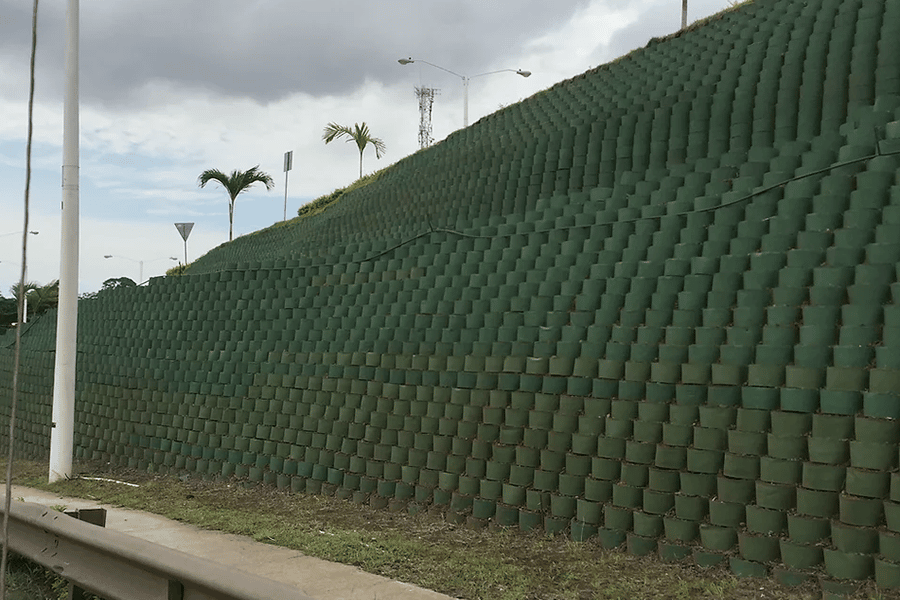
Geocomposite Market Trends Driving Infrastructure Projects
Global investment in highways, railways, landfills, retaining walls, mining facilities, and water management continues to grow. As a result, demand for high-performance construction materials is increasing.
Modern geocomposites combine multiple geosynthetic functions into a single product. Typical combinations include geonet with nonwoven geotextile, geogrid with drainage cores, and composite drainage boards. These engineered materials improve drainage capacity, prevent soil migration, and simplify installation compared with conventional aggregate systems.
Procurement teams are also paying closer attention to product certifications, manufacturing consistency, and technical support. Working with experienced manufacturers allows buyers to obtain products that meet project specifications and international testing standards.
For projects requiring drainage systems, explore our Geocomposite Market drainage solutions to compare product options suitable for different engineering applications.
How the Geocomposite Market Supports Retaining Walls and Erosion Control
Drainage systems installed behind retaining walls help relieve hydrostatic pressure. They also reduce water buildup and improve long-term structural stability. Compared with conventional gravel drainage, these systems require less excavation, reduce transportation costs, and install more quickly.
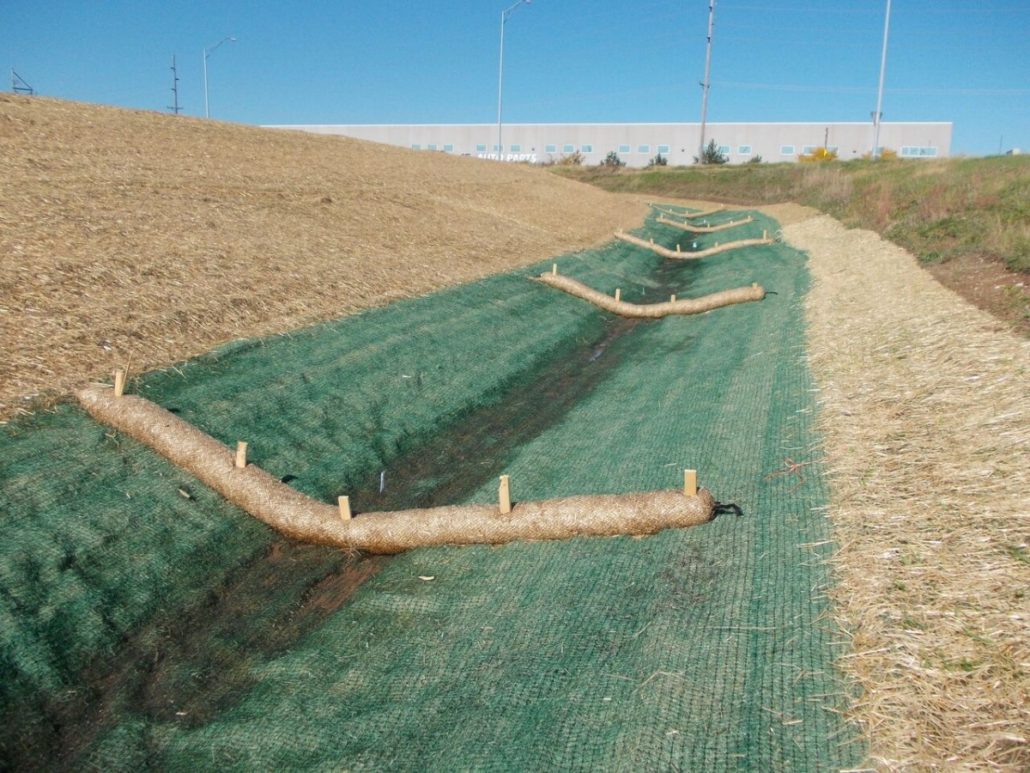
Another important application is erosion control. Geocomposites improve surface drainage, stabilize slopes, and minimize soil loss caused by rainfall or flowing water. They are widely used in highway embankments, riverbanks, coastal engineering, and landscaping projects where long-term environmental protection is required.
As sustainability becomes a priority, many infrastructure owners choose engineered geosynthetics because they reduce natural aggregate consumption and lower project carbon emissions.
Learn more about Geocomposite Market applications for retaining walls when evaluating drainage systems for civil engineering projects.
How to Choose the Right Solution
Selecting the right product involves more than comparing prices. Buyers should carefully evaluate technical performance, raw material quality, manufacturing capability, and supplier experience.
Important selection criteria include:
- Drainage capacity under expected loads
- Tensile strength and durability
- Chemical and biological resistance
- Compliance with ASTM, ISO, or CE standards
- Factory quality control and testing reports
- Technical design assistance and after-sales support
Reliable suppliers can recommend customized geocomposite structures according to soil conditions, groundwater levels, loading requirements, and project lifespan. This helps reduce engineering risks while improving construction efficiency.
Before making purchasing decisions, review our complete Geocomposite Market product selection guide to identify the most suitable solution for your infrastructure project.
Future Outlook of the Geocomposite
Industry analysts expect the geocomposite market to maintain steady growth over the coming years. Demand will continue increasing across transportation infrastructure, mining, landfill engineering, water conservation, and renewable energy projects. As construction standards become more demanding, integrated geocomposite systems will replace traditional drainage materials in many applications.
For buyers, partnering with an experienced geosynthetics manufacturer provides access to customized products, stable production capacity, international certifications, and technical expertise that support successful project delivery.


Comments
Post a Comment