Reservoir Geomembrane Leak Solutions for Water Containment Projects
Reservoir geomembrane leak issues can lead to significant water loss, higher maintenance costs, and reduced reservoir performance. For project owners, contractors, and engineers, understanding the causes of leakage and selecting the right geosynthetic solutions are essential for protecting water resources and ensuring long-term containment reliability. This guide explains how to identify, repair, and prevent geomembrane leaks in reservoir and containment applications.

Why Does a Reservoir Geomembrane Leak Occur?
Reservoir lining systems can be affected by several factors during construction and operation. Mechanical damage is one of the most common issues. Sharp stones, heavy equipment, or poorly prepared foundations can puncture or stress the liner material.
Environmental conditions can further contribute to leakage. Long-term UV exposure, temperature fluctuations, foundation settlement, and animal intrusion may gradually weaken the liner system. In many cases, leaks develop because the geomembrane lacks adequate protection from external stresses.
To minimize these risks, project developers should select high-quality geomembranes and implement strict quality assurance procedures. Proper installation combined with protective geotextile layers can significantly improve liner durability.
For reservoir owners evaluating containment systems, understanding reservoir geomembrane leak prevention methods for long-term water storage is critical to reducing lifecycle costs and maintaining operational efficiency.
How Can a Reservoir Geomembrane Leak Be Detected?
Early identification helps prevent unnecessary water loss and reduces repair costs. Visual inspections are often the first step. They allow operators to detect visible damage before it becomes a larger issue.
Advanced leak detection technologies provide more accurate results. Electrical Leak Location (ELL) surveys can pinpoint punctures and defects with high precision. Vacuum box testing and spark testing are commonly used to verify seam integrity during construction and maintenance activities.
In operating reservoirs, monitoring water balance data can also reveal potential leakage issues. When water loss exceeds expected evaporation rates, further investigation is typically required.
Many engineers rely on reservoir geomembrane leak detection and monitoring techniques to identify defects before they expand into larger structural problems. Regular inspections help maintain system performance and reduce the likelihood of unexpected failures.
What Are the Most Effective Repair Methods?
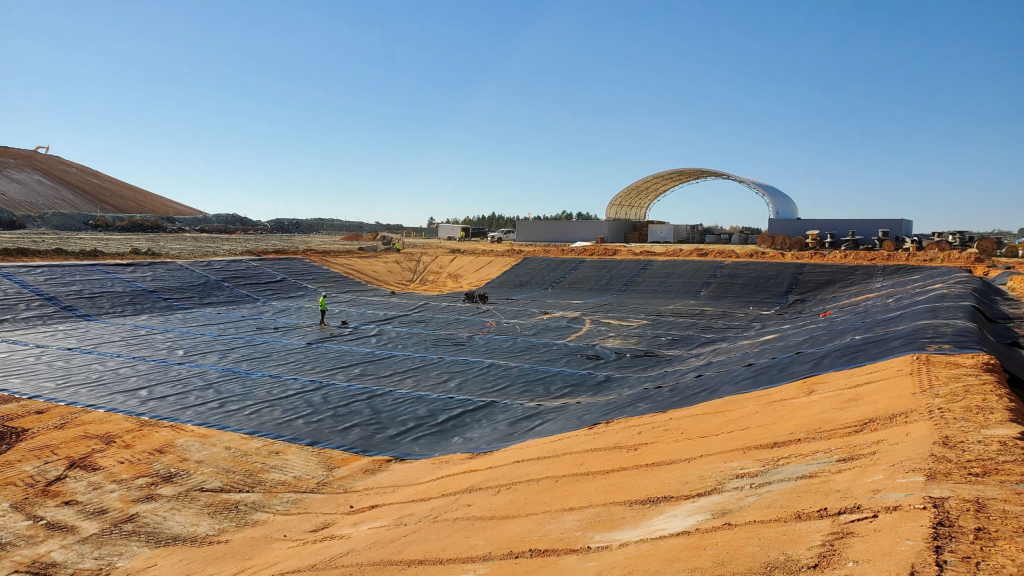
Once a leak has been identified, the repair strategy depends on the size and location of the damage. Small punctures or tears are usually repaired with welded patches manufactured from the same geomembrane material. This approach restores impermeability while maintaining compatibility with the existing liner.
For seam-related defects, technicians often remove the damaged section and perform rewelding followed by quality testing. In cases involving extensive deterioration, replacing a larger portion of the geomembrane may be necessary.
Professional repair procedures should always include post-repair testing to verify the effectiveness of the solution. A properly repaired reservoir geomembrane leak can restore reservoir performance and extend the service life of the containment system.
Project managers seeking reliable containment performance frequently prioritize reservoir geomembrane leak repair strategies for water reservoirs as part of their long-term asset management plans.
How Can Long-Term Performance Be Improved?
Preventive maintenance is often more cost-effective than major repairs. Material selection is the first step. Many reservoir projects use durable geomembranes because they offer excellent resistance to moisture, chemicals, and environmental stress.
Subgrade preparation is equally important. A smooth, well-compacted foundation minimizes the risk of puncture and stress concentration. Protective geotextiles placed beneath and above the geomembrane can further reduce mechanical damage.
Routine inspections, scheduled maintenance, and periodic leak surveys help identify potential issues before they become critical. Combining high-quality materials with professional installation and ongoing monitoring creates a robust containment system capable of performing for decades.
A reservoir geomembrane leak can compromise water conservation goals and increase operational expenses if left unaddressed. By understanding the causes of leakage, applying advanced detection technologies, implementing effective repair methods, and investing in preventive measures, reservoir owners can significantly improve liner performance and service life. Geosynthetic containment systems remain one of the most reliable solutions for water storage applications when designed, installed, and maintained according to industry best practices.


Comments
Post a Comment