Geonet Geosynthetics in Civil Engineering Projects
Geonet geosynthetics are widely specified by contractors, engineers, and project owners seeking reliable drainage solutions for landfills, retaining walls, roads, and environmental protection systems. When selecting drainage materials, buyers often focus on flow capacity, durability, installation efficiency, and long-term performance. Understanding how geonet products work can help ensure the right choice for demanding geotechnical applications.
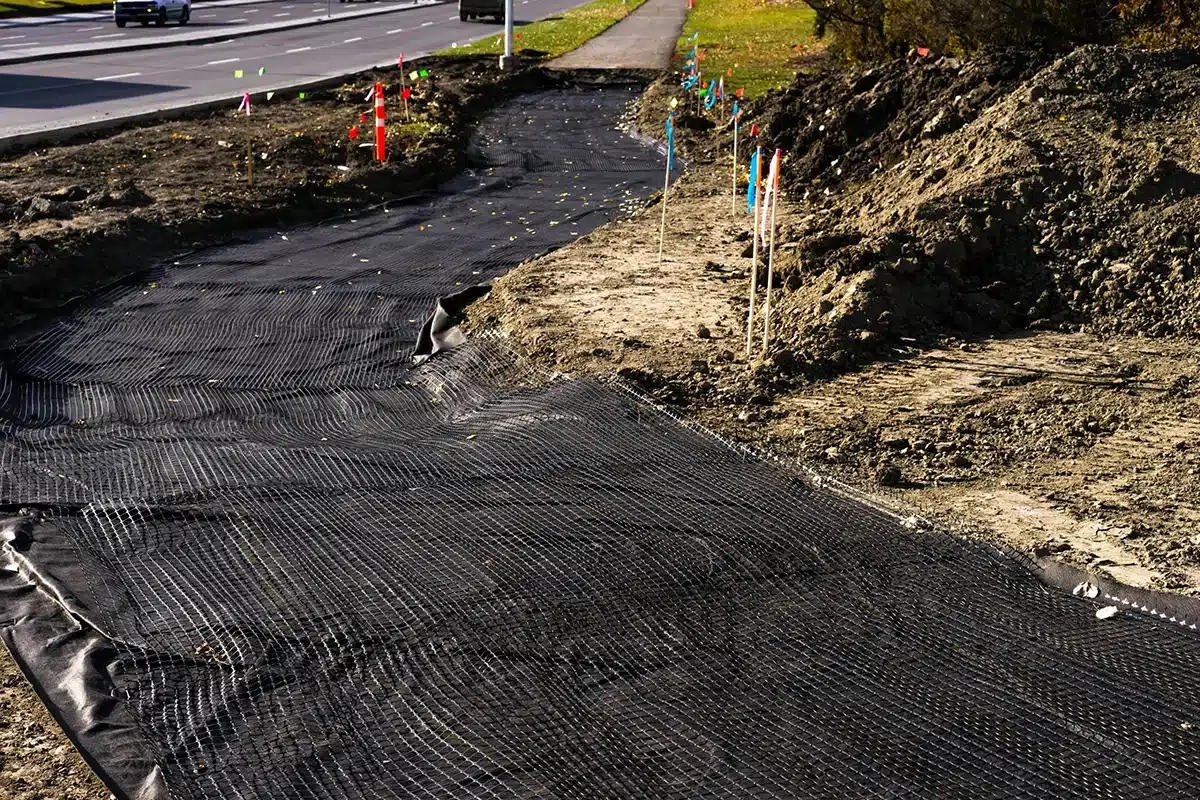
How Do Geonet Geosynthetics Improve Landfill Drainage Performance?
Landfill facilities require efficient leachate collection systems to protect nearby soil and groundwater. Drainage cores are often installed between geomembranes and geotextiles to create continuous flow channels. These channels quickly move liquids away from containment areas.
Compared with thick gravel drainage layers, geonets offer a thinner profile while maintaining excellent in-plane flow capacity. This reduces transportation costs, minimizes excavation requirements, and speeds up installation. Many engineers choose geonet drainage solutions for landfill projects because they provide consistent hydraulic performance and long-term resistance to chemical degradation.
Why Are Geonet Geosynthetics Used Behind Retaining Walls?
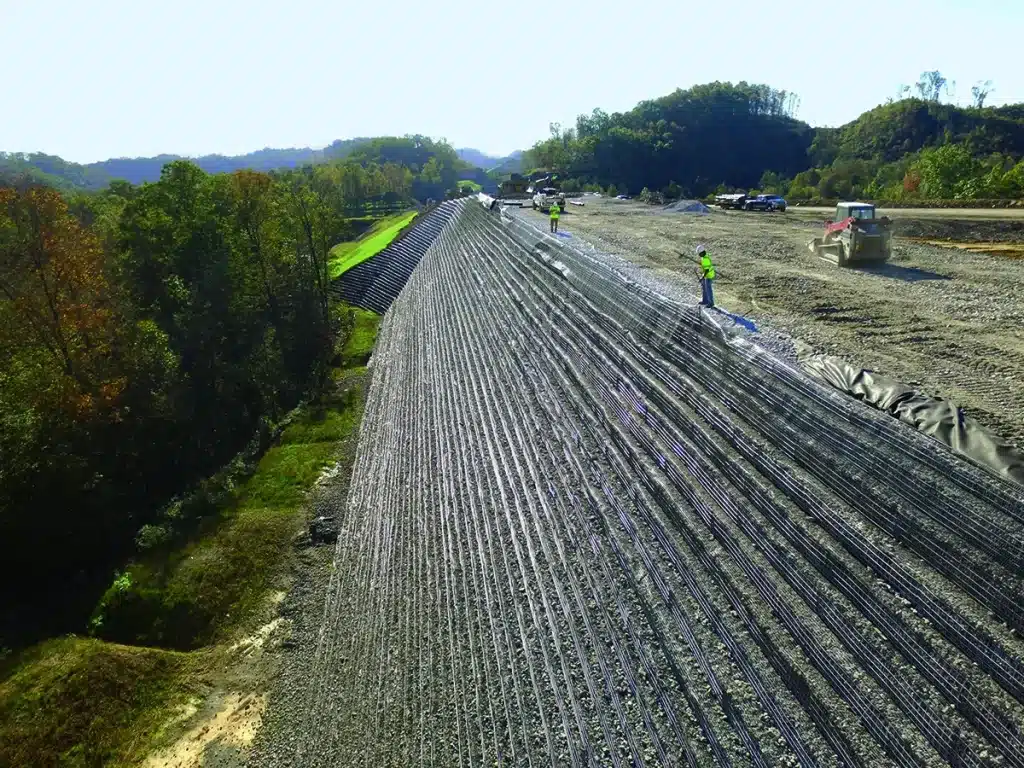
Water pressure is one of the most common causes of retaining wall failure. Without proper drainage, groundwater can accumulate behind the structure. This buildup increases hydrostatic pressure and may affect long-term stability.
The open-core structure of a geonet allows water to move laterally toward collection systems while reducing pressure buildup. This improves wall performance and extends service life. For many infrastructure projects, retaining wall drainage systems with geonet geosynthetics offer a practical alternative to traditional aggregate-based drainage methods.
What Are the Main Benefits Compared with Traditional Materials?
Engineers increasingly specify modern drainage products because they offer several advantages over conventional aggregates. First, their lightweight design simplifies transportation, handling, and installation. This helps reduce labor requirements and shorten project schedules.
In addition, geonets can deliver high drainage capacity within a relatively thin structure. This allows project designers to maximize usable space while maintaining effective water management. Many contractors prefer advanced geonet geosynthetics applications because they help lower overall project costs without compromising performance.
Other important benefits include:
- High in-plane drainage capacity
- Reduced transportation and installation costs
- Long service life in harsh environments
- Compatibility with geotextiles and geomembranes
- Reliable performance under compressive loads
How Can Buyers Select the Right Drainage Solution?
Choosing the correct geonet product requires evaluating project-specific requirements. Key considerations include flow rate demands, loading conditions, soil characteristics, and environmental exposure. Different geonet structures are designed to accommodate varying drainage capacities and mechanical performance requirements.
Engineers should also assess the compatibility of geonets with adjacent geosynthetic materials. For example, landfill systems often require integration with geomembranes and filtration geotextiles, while retaining wall applications may prioritize drainage efficiency and compressive strength. Consulting suppliers that offer customized geonet geosynthetics solutions for civil engineering projects can help ensure optimal performance and compliance with project specifications.
Geonet geosynthetics have become an essential drainage component in modern geotechnical and environmental engineering. Whether used in landfill leachate collection systems or retaining wall drainage applications, they provide efficient water management, long-term durability, and cost-effective installation. By understanding project requirements and selecting the appropriate geonet structure, engineers and procurement teams can achieve reliable drainage performance and extended infrastructure service life.


Comments
Post a Comment