Geomembranes Market Trends in Mining and Wastewater Applications
Geomembranes market demand continues to grow as mining companies, wastewater operators, and infrastructure developers seek reliable containment solutions that meet environmental regulations and reduce long-term operational risks. Understanding current market trends helps buyers select the right geosynthetic materials for modern engineering projects.
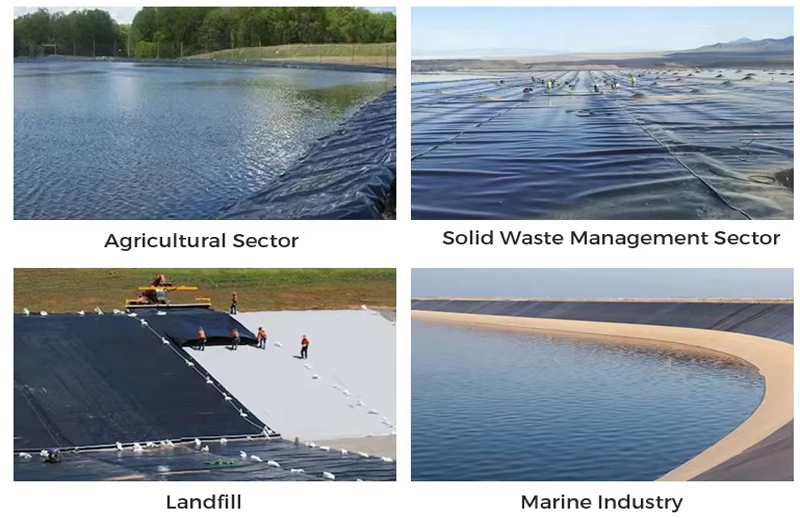
Why Is the Geomembranes Market Growing Rapidly?
Industries around the world are placing greater emphasis on environmental protection. At the same time, governments continue to strengthen regulations related to waste containment and groundwater safety. These factors are driving the adoption of advanced geosynthetic materials across multiple sectors.
HDPE geomembranes offer excellent chemical resistance, UV stability, and a long service life. They help reduce maintenance requirements and provide dependable performance in demanding environments. Because of these advantages, project owners often choose geomembranes when designing containment systems for large-scale facilities.
Companies seeking long-term environmental protection often review geomembranes market trends for mining projects when planning new tailings ponds, heap leach pads, and evaporation ponds. These applications require durable materials capable of performing under challenging site conditions.
How Are Geomembranes Improving Mining Operations?
Mining remains one of the most important application areas for geomembranes. Modern mining facilities must safely manage tailings, process water, and chemical solutions while minimizing environmental impacts.
A notable example is the Beyondie Sulphate of Potash (SOP) Project in Western Australia. The project installed extensive HDPE geomembrane lining systems in evaporation ponds to prevent brine seepage and maximize mineral recovery. More than 100,000 square meters of geomembrane were used during the initial development phase before the system was expanded across the site.
Another successful project involved the rehabilitation of an abandoned mining site in Quebec, Canada. Engineers installed a 1.5 mm HDPE geomembrane cover over acid-generating tailings to prevent water and oxygen infiltration. This solution significantly reduced the risk of acid mine drainage and protected surrounding groundwater resources.
As environmental regulations become stricter, many investors are closely monitoring geomembranes market opportunities in tailings management because containment performance has become a key factor in project approval and long-term sustainability.
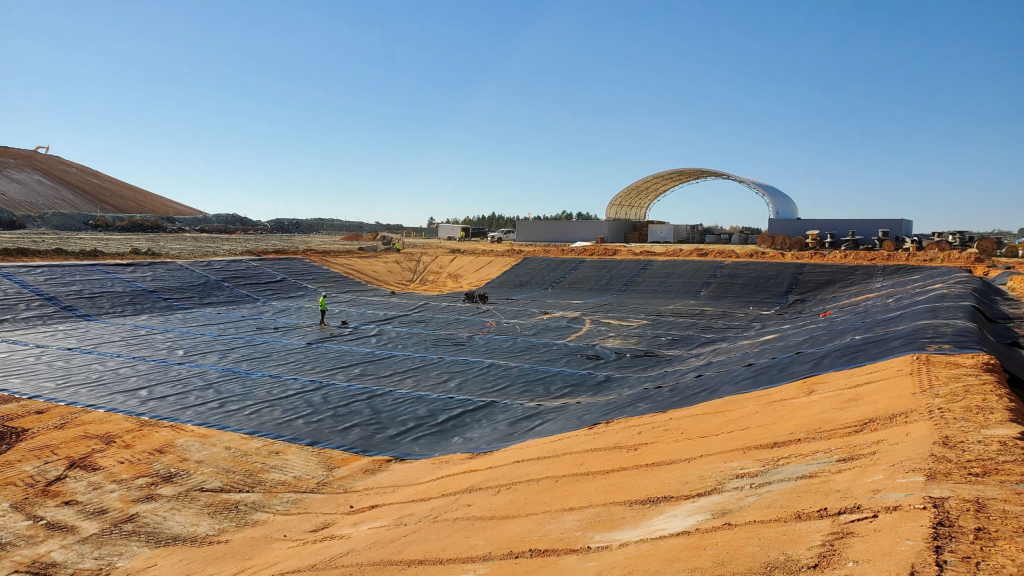
What Role Do Geomembranes Play in Industrial Wastewater Management?
Industrial wastewater treatment facilities require dependable containment systems to prevent leaks and comply with environmental regulations. Geomembranes provide an effective barrier that helps protect surrounding soil and groundwater from contamination.
A well-known example is the wastewater containment facility at the James River Pulp Facility in Ontario, Canada. The project utilized HDPE geomembranes as a critical component of a large treatment basin designed to safely manage industrial wastewater. The geomembrane system provided long-term protection against leakage while maintaining structural stability.
In modern wastewater facilities, geomembranes are frequently combined with geotextiles, geocomposites, and drainage systems to create comprehensive containment solutions. These integrated designs improve environmental performance while reducing maintenance requirements.
Many buyers researching geomembranes market solutions for industrial wastewater containment are particularly interested in HDPE materials because of their strong resistance to chemicals and aggressive wastewater environments.
What Is the Future of Geomembrane Applications?
Demand for advanced containment technologies is expected to continue growing. Governments and private organizations are investing heavily in environmental infrastructure, water conservation, mining development, and renewable energy projects.
Technological advancements are improving material performance, installation quality, and project lifespan. Manufacturers are developing geomembranes with enhanced flexibility, chemical resistance, and durability to meet increasingly demanding project requirements.
At the same time, environmental regulations are encouraging wider adoption of geosynthetic containment systems. This trend is expected to create new opportunities for contractors, distributors, and project developers worldwide.
Organizations evaluating geomembranes market forecasts and procurement strategies are increasingly prioritizing long-term environmental protection, operational reliability, and lifecycle cost savings when selecting geosynthetic materials.
The geomembranes market continues to evolve as environmental protection and sustainable infrastructure become global priorities. Real-world applications in mining and industrial wastewater management demonstrate the critical role geomembranes play in preventing contamination, improving operational efficiency, and supporting regulatory compliance.
As demand grows across multiple industries, geomembranes will remain an essential component of modern geosynthetic engineering solutions, providing long-term value for project owners and environmental stakeholders alike.


Comments
Post a Comment