Geogrid Fabric Applications in Roads and Retaining Walls
Geogrid fabric is a proven geosynthetic solution for contractors, engineers, and project owners seeking stronger soil reinforcement and longer-lasting infrastructure. Whether used in road construction or retaining wall systems, geogrids improve load distribution, reduce settlement, and help lower overall project costs while extending service life.
Why Geogrid Fabric Is Essential for Road Construction
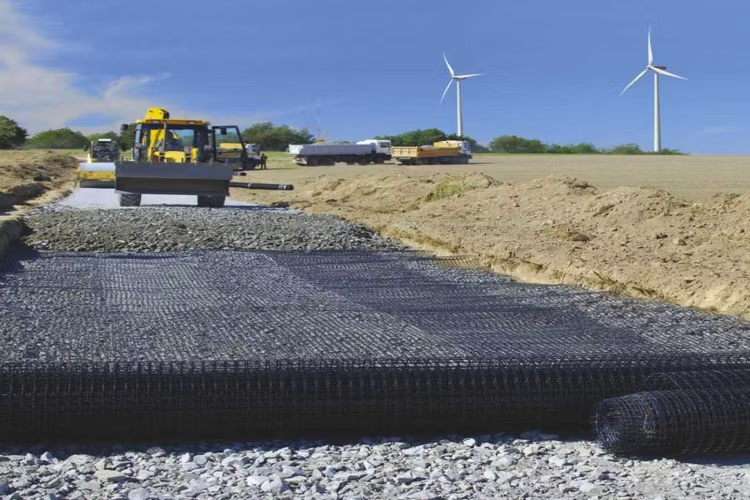
Roads built on weak or unstable foundations often suffer from rutting, cracking, and early deterioration. Reinforcement materials improve the interaction between aggregate layers and the underlying soil. As a result, loads are distributed more evenly, and deformation is reduced.
Key benefits of using geogrids in road projects include:
- Increased bearing capacity of weak soils
- Reduced aggregate layer thickness
- Lower construction and maintenance costs
- Extended pavement service life
- Faster project completion
These advantages make reinforced road structures an attractive option for highways, access roads, industrial yards, and transportation corridors. Learn more about geogrid fabric solutions for road stabilization when evaluating reinforcement options for highways, access roads, and industrial pavements.
How Geogrid Fabric Improves Retaining Wall Performance
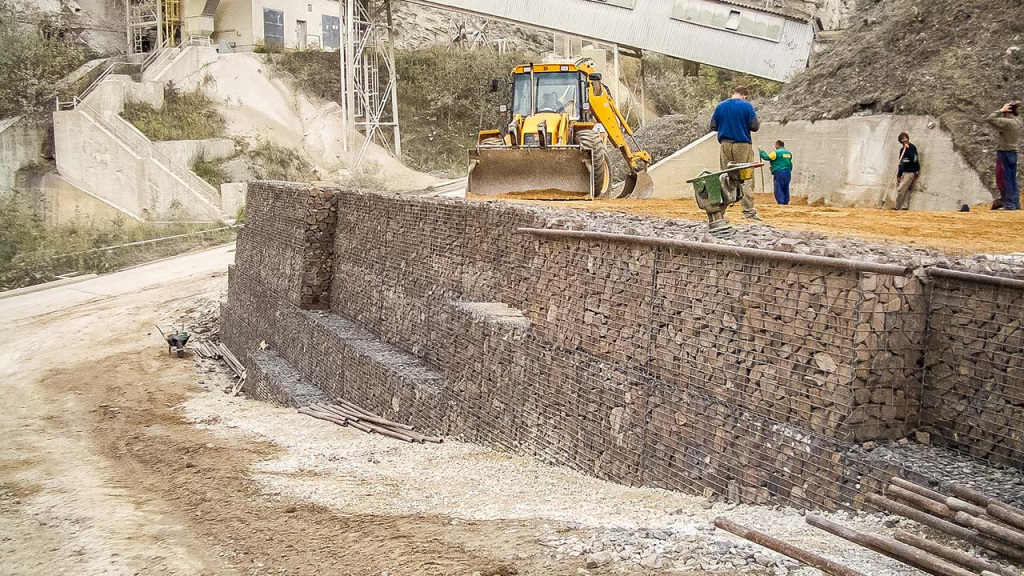
Retaining walls must resist continuous lateral earth pressure throughout their design life. Reinforcement layers placed within compacted fill help create a stable soil structure. This approach allows the soil mass and wall facing to work together as a single system.
The geogrid layers are installed horizontally within compacted fill material, forming a reinforced soil block that works together with the wall facing system.
Advantages include:
- Enhanced wall stability
- Improved resistance to soil movement
- Ability to construct taller retaining walls
- Reduced reliance on massive concrete structures
- Long-term durability in challenging environments
Modern infrastructure projects increasingly utilize geogrid fabric because it delivers reliable reinforcement while reducing material consumption. Engineers often choose reinforced soil structures over traditional gravity walls due to their economic and environmental advantages.
For wall reinforcement projects, understanding retaining wall systems with geogrid fabric can help improve design efficiency and structural reliability.
Industry Data and Market Trends
The global demand for geosynthetic materials continues to grow as governments invest in transportation and infrastructure development.
Industry statistics highlight this trend:
- The global geogrid market was valued at approximately USD 1.41 billion in 2025 and is projected to reach USD 2.16 billion by 2034, with a CAGR of 4.7%. Source: Fortune Business Insights.
- North America accounted for approximately 40.1% of the global geogrid market in 2025. Source: Fortune Business Insights.
- The global geosynthetics market was valued at USD 19.47 billion in 2025 and is expected to reach USD 48.44 billion by 2034. Source: Fortune Business Insights.
These figures demonstrate the growing adoption of geosynthetic reinforcement technologies across transportation, mining, environmental, and civil engineering sectors.
These figures highlight the growing role of advanced reinforcement technologies across transportation, mining, environmental engineering, and land development projects.
Selecting the Right Reinforcement Solution
Selecting the correct reinforcement product depends on several factors:
- Soil conditions
- Design load requirements
- Project lifespan
- Environmental exposure
- Installation methods
Different uniaxial, biaxial, and triaxial geogrid products are engineered for specific applications. Working with experienced manufacturers can help ensure optimal performance and compliance with project specifications.
Before making a purchasing decision, review the technical properties and performance data of high-strength geogrid fabric products to determine the most suitable solution for your application.
From road stabilization to retaining wall reinforcement, geogrid fabric offers a cost-effective and reliable method for improving soil performance and extending infrastructure service life. With increasing global demand for durable and sustainable construction solutions, geogrids remain a critical component of modern geotechnical engineering projects.


Comments
Post a Comment