Geocomposite drainage system for modern landfill and mining engineering
The geocomposite drainage system is widely used in landfills, mining, and infrastructure projects to improve drainage efficiency, reduce construction costs, and enhance long-term soil stability. It is increasingly adopted by engineers seeking high-performance alternatives to traditional granular drainage layers.
Geocomposite Drainage System in Landfill Engineering
In landfill projects, these systems play a key role in leachate management and slope protection. They offer high transmissivity, even under heavy overburden pressure. As a result, they help maintain both environmental compliance and structural stability.
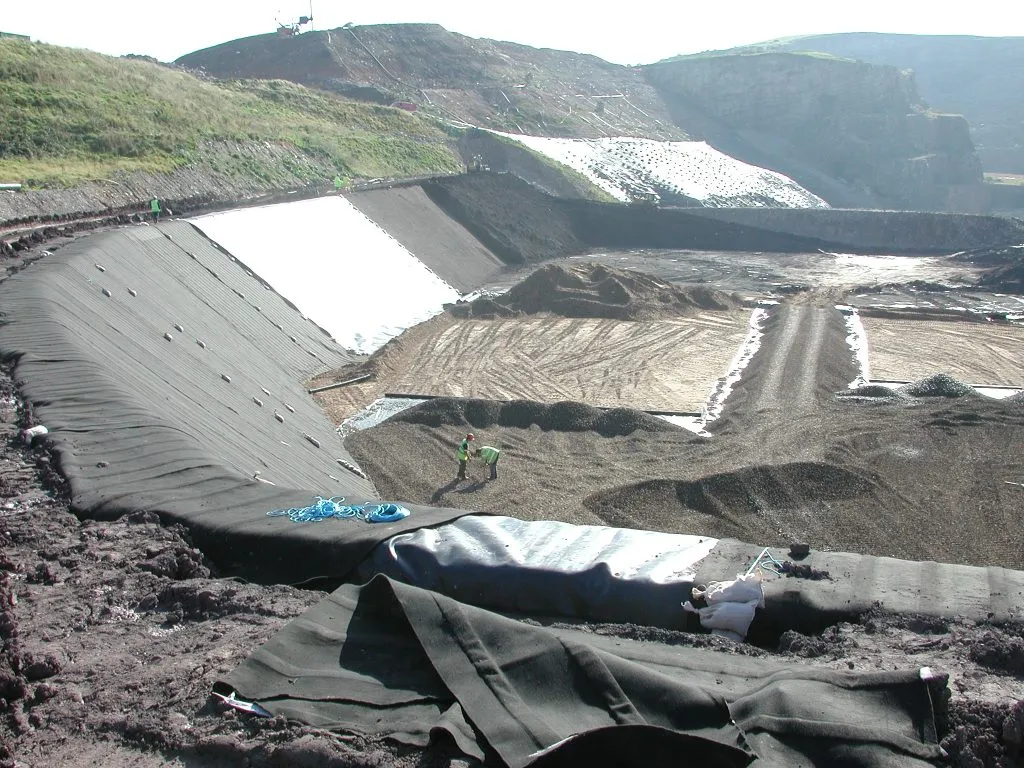
Landfill designers increasingly prefer composite drainage solutions because they reduce the need for thick granular layers, lowering both material and transport costs. The system also helps minimize clogging risks when properly paired with filtration geotextiles.
Contractors evaluating long-term landfill performance often refer to advanced geosynthetic drainage solutions for landfill stability when comparing system lifecycles and maintenance requirements.
Geocomposite Drainage System in Mining Projects
Mining operations require robust drainage performance under harsh conditions. These systems are commonly used in heap leach pads, tailings storage facilities, and access roads.
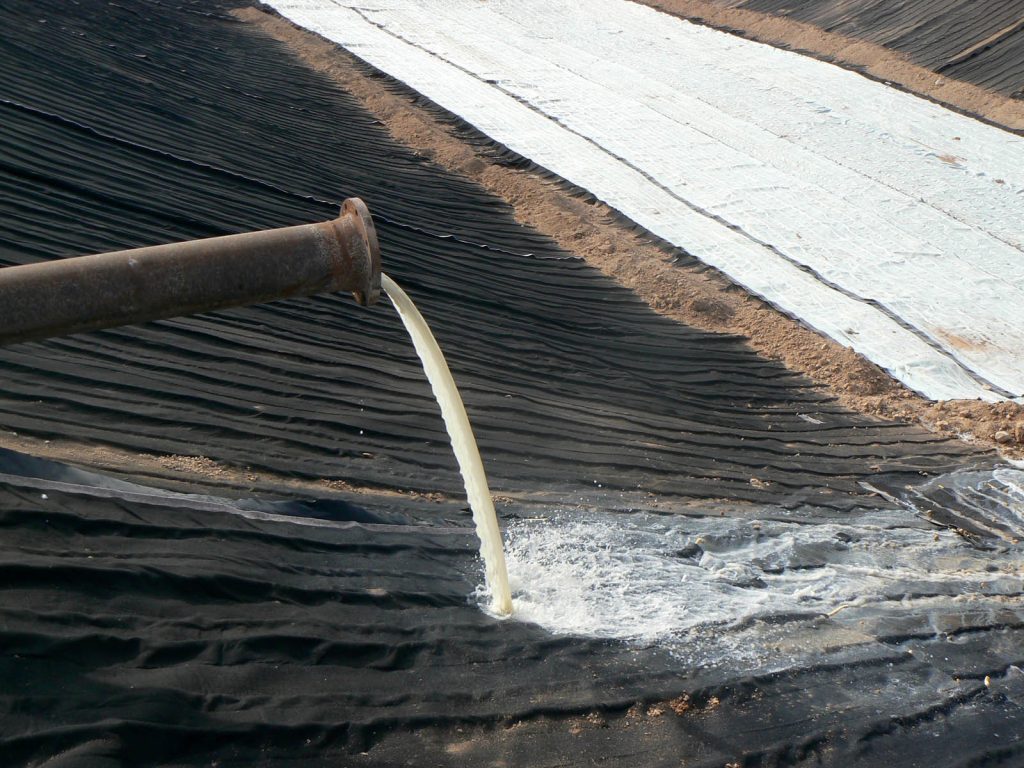
Its lightweight structure allows faster deployment compared to traditional gravel drainage, reducing operational downtime in remote mining sites. In addition, composite drainage layers improve slope performance and help manage groundwater movement efficiently.
Many engineers now specify engineered geosynthetic drainage systems for mining infrastructure projects to improve both safety and cost control.
Engineering Benefits of Drainage Systems
These drainage systems provide several important engineering advantages:
- High in-plane flow capacity under load
- Reduced excavation and aggregate demand
- Faster installation and reduced labor dependency
- Improved long-term hydraulic stability
- Compatibility with steep and constrained sites
These characteristics make it a preferred choice in highways, retaining walls, tunnels, and landfill caps.
Project owners often evaluate cost-efficient geocomposite drainage solutions for civil engineering works to balance performance and budget constraints across project phases.
Sustainability and Lifecycle Efficiency
Sustainability continues to drive adoption in modern infrastructure. These systems help reduce reliance on quarried stone. As a result, transportation emissions and material sourcing impacts are significantly lower.
In addition, its long service life and reduced maintenance requirements contribute to lower lifecycle costs. This is especially important in large-scale infrastructure, where long-term performance reliability is essential.
Engineers increasingly recommend sustainable geosynthetic drainage systems for infrastructure development to meet environmental compliance targets and ESG requirements.
Market Outlook and Industry Adoption
Global demand continues to grow across urban development, mining, and environmental protection sectors. Infrastructure investment is expanding, which further accelerates adoption.
As construction projects become more complex, the integration of geosynthetics into core design specifications is no longer optional but standard practice in many regions.
The geocomposite drainage system represents a major advancement in geosynthetic engineering, offering superior hydraulic performance, cost efficiency, and sustainability benefits. Its increasing adoption across landfill and mining applications highlights its value as a reliable solution for modern infrastructure challenges.


Comments
Post a Comment