Geotextile Wall: Benefits, Design Considerations, Material Selection, and Common Challenges
Geotextile wall systems are widely used in retaining structures and erosion control projects where long-term soil stability is critical. For contractors, engineers, and project owners, selecting the right geotextile reinforcement can improve structural performance, reduce construction costs, and extend service life while meeting project specifications.
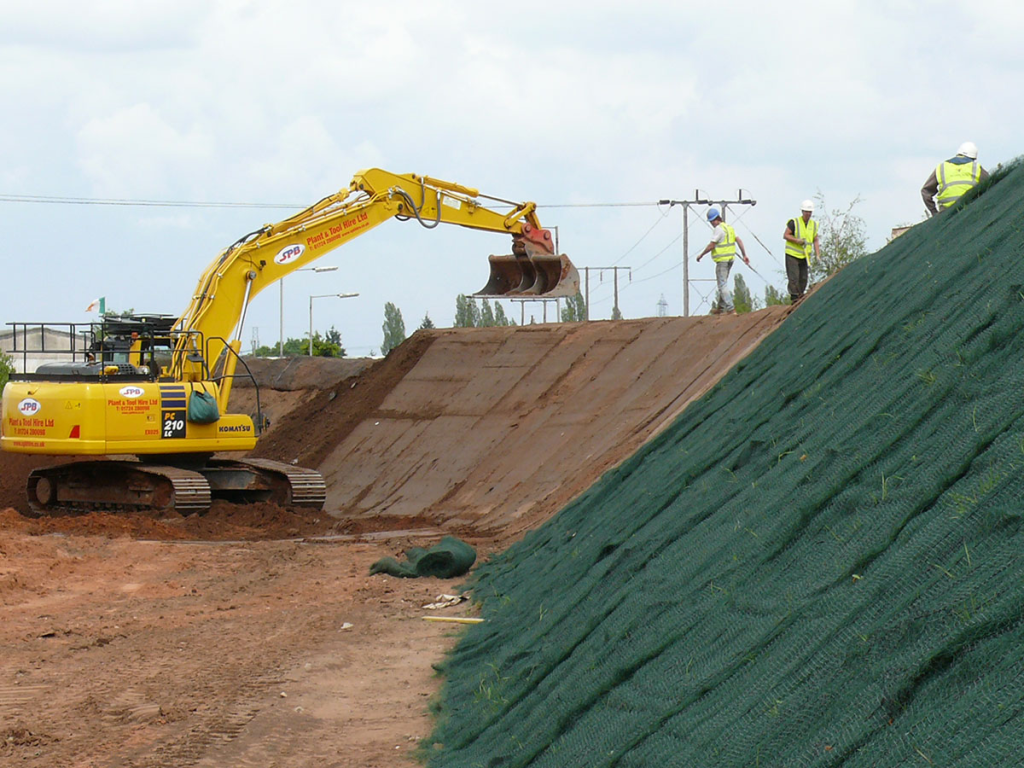
What Is a Geotextile Wall and How Does It Work?
A reinforced soil structure combines engineered fabrics with compacted backfill to create a stable support system. The reinforcement layers provide tensile strength, while the soil mass delivers compressive resistance. Together, they form a durable structure that can withstand lateral earth pressure and improve slope stability.
Compared with traditional concrete retaining walls, geotextile-reinforced structures offer greater flexibility and can better accommodate minor settlement without cracking. This makes them suitable for highways, railways, bridge abutments, embankments, and landscaping projects.
For projects requiring reinforced earth solutions, understanding the principles of geotextile wall design for retaining structures helps engineers optimize both safety and construction efficiency.
Benefits of Using a Geotextile Wall in Civil Engineering Projects
These systems continue to gain popularity because they offer both technical and economic advantages. One major benefit is cost savings. Since they often use locally available fill materials, projects can reduce dependence on concrete and lower overall construction expenses.
Additional advantages include:
- Improved slope and embankment stability
- Reduced construction time
- Enhanced drainage performance
- Lower environmental impact
- Adaptability to complex site conditions
In many infrastructure projects, a geotextile retaining system can achieve structural performance comparable to that of conventional walls while requiring fewer resources. Contractors also appreciate the ease of installation and reduced equipment requirements.
When evaluating reinforcement options, reviewing geotextile wall applications in infrastructure projects can provide valuable insight into long-term performance and maintenance expectations.
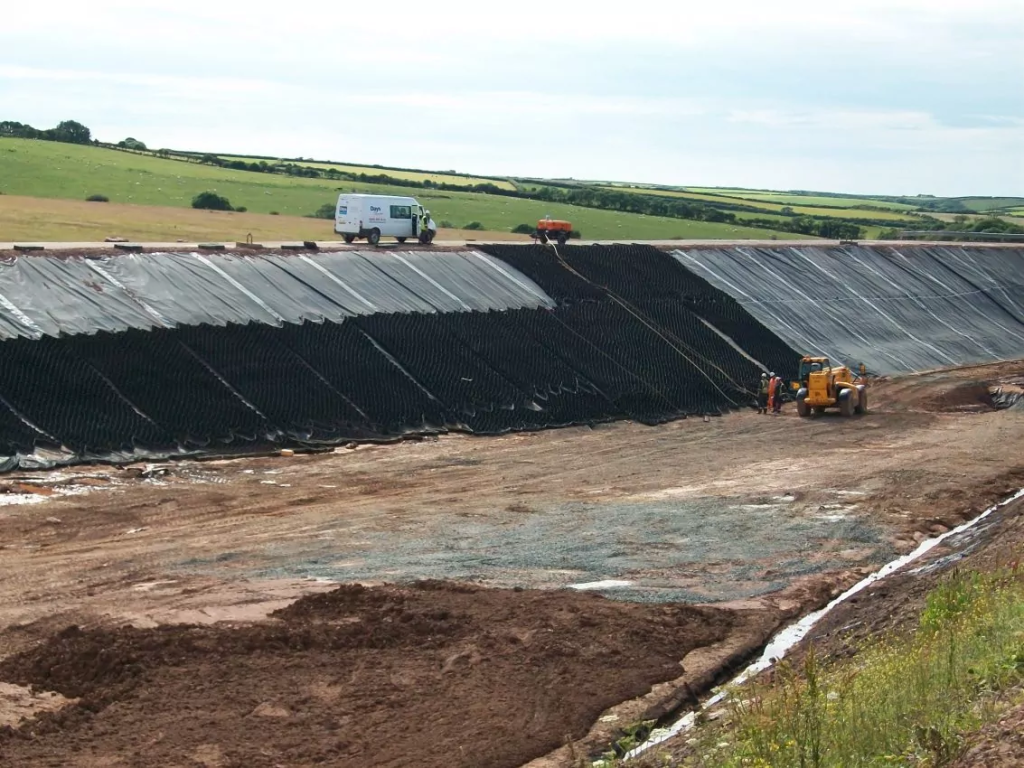
Choosing the Right Reinforcement Materials
Material selection has a direct impact on project success. Different site conditions require different performance characteristics, including tensile strength, permeability, durability, and resistance to environmental factors.
Woven geotextiles are commonly selected when high reinforcement strength is required. Nonwoven geotextiles are often used when filtration and drainage functions are equally important. Engineers should evaluate factors such as soil type, groundwater conditions, loading requirements, and expected service life before choosing a product.
Quality geosynthetics that comply with international standards can significantly improve structural reliability. Proper testing and specification review are recommended before procurement to ensure the selected material meets project demands.
Applications in Erosion Control and Retaining Structures
Modern reinforcement systems support a wide range of construction and environmental projects. In retaining applications, they strengthen soil masses and increase load-bearing capacity. In erosion control projects, they help protect slopes, riverbanks, and embankments from soil loss caused by water flow and weather conditions.
Typical applications include:
- Reinforced retaining walls
- Highway and railway embankments
- The bridge approach fills
- Coastal protection projects
- Landfill containment systems
- Slope stabilization works
Project designers frequently explore geotextile wall solutions for erosion control projects because they combine reinforcement, filtration, and stabilization functions within a single system.
Common Installation Considerations
Even the best-designed geotextile systems require proper installation practices. Inadequate compaction, poor drainage design, and incorrect material placement can reduce performance and shorten service life.
To maximize results:
- Follow engineered reinforcement spacing requirements.
- Ensure proper compaction of backfill materials.
- Install drainage systems to prevent water accumulation.
- Protect geotextiles from excessive UV exposure before covering.
- Conduct regular quality inspections during construction.
Careful planning and consistent quality control help ensure reliable long-term performance.
A geotextile wall provides an effective solution for retaining structures, slope stabilization, and erosion control applications. By combining geotextile reinforcement with engineered soil systems, these structures deliver durability, flexibility, and cost efficiency. As infrastructure and environmental projects continue to evolve, they remain a practical choice for achieving long-term stability and value.


Comments
Post a Comment