Geogrid for Driveways in Modern Construction
Geogrid for driveways is a proven solution for buyers seeking stronger, longer-lasting ground stabilization with reduced aggregate costs. Whether you are sourcing materials for residential access roads or light commercial projects, this system delivers immediate performance benefits and long-term savings.
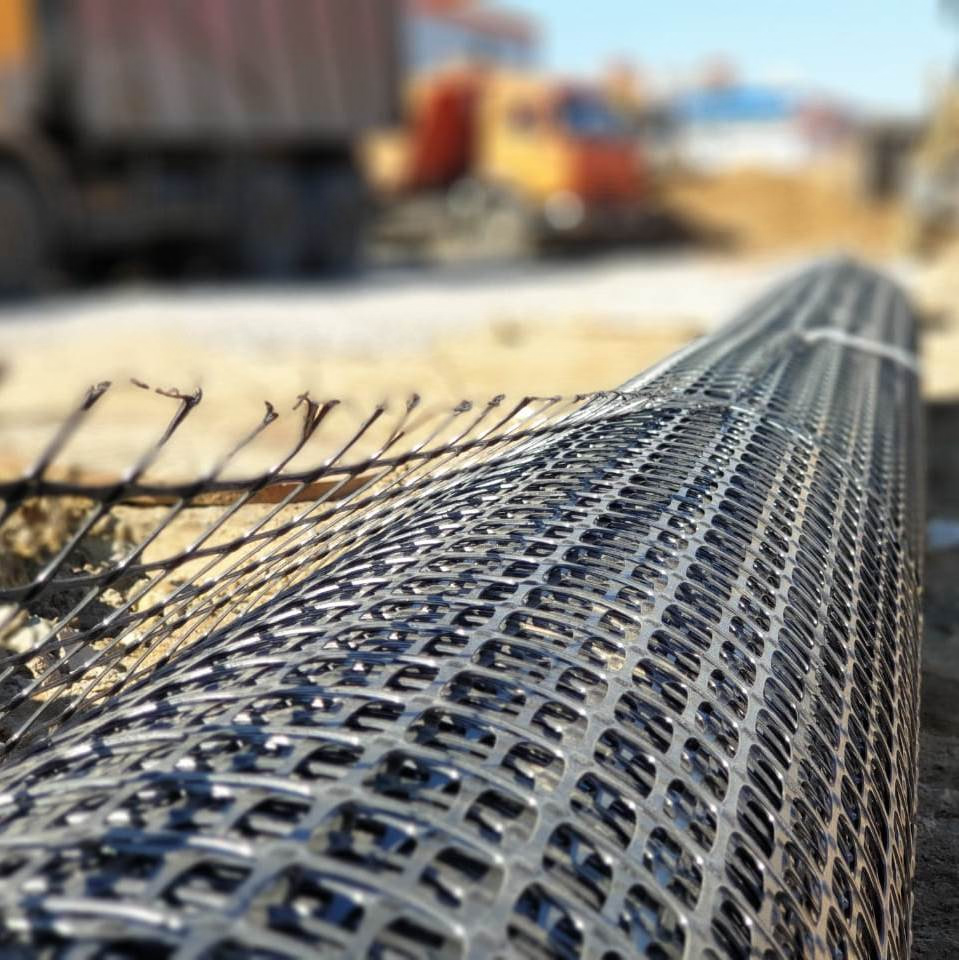
Why Choose Geogrid for Driveways for Ground Reinforcement
When evaluating subgrade stabilization options, contractors increasingly prioritize geogrid for driveways due to its structural efficiency and cost control advantages.
- Load distribution: The grid structure spreads traffic loads, reducing stress on weak soil
- Material reduction: Less aggregate is required, lowering total project cost
- Durability: مقا耐 rutting and deformation under repeated vehicle loads
- Faster installation: Simplified process saves labor time
For procurement teams, selecting geogrid for driveways ensures consistent performance across varying soil conditions while maintaining budget targets.
Learn more through our comprehensive geogrid for driveways installation guide for contractors to optimize your project outcomes.
Applications of Geogrid for Driveways in Road and Access Projects
IThe versatility of geogrid for driveways extends beyond residential areas into broader infrastructure use cases:
- Residential driveways and private access roads
- Parking areas and light-duty traffic zones
- Temporary construction roads
- Rural and agricultural pathways
Its adaptability makes geogrid for driveways a preferred solution for engineers aiming to improve both performance and sustainability.
Explore our advanced geogrid for driveways solutions for soil stabilization projects to match your technical requirements.
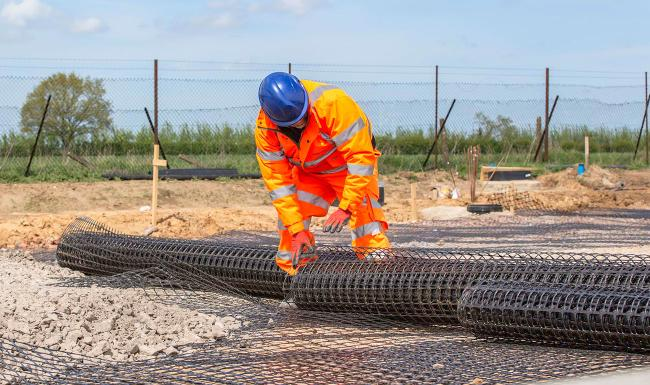
Installation Insights and Project Efficiency
Correct installation is key to maximizing the value of geogrid for driveways. Typical steps include:
- Subgrade preparation and leveling
- Placement of geogrid layer
- Aggregate filling and compaction
- Surface finishing (gravel, asphalt, or pavers)
By following best practices, contractors can fully leverage the benefits of geogrid for driveways, achieving higher load capacity with less material input.
Discover our cost-effective geogrid for driveways supply and support services for your next project.
Market Trends and Procurement Advantages
UGlobal demand for geosynthetics continues to grow, driven by infrastructure expansion and cost-efficiency requirements. In this context, geogrid for driveways stands out as a scalable solution for both small and large projects.
Key procurement advantages include:
- Reduced lifecycle maintenance costs
- Improved structural reliability
- Flexible supply formats (roll sizes, strengths)
- Strong ROI for contractors and developers
As more buyers recognize these benefits, geogrid for driveways is becoming a standard specification in modern construction projects.
For contractors, distributors, and project owners, adopting geogrid for driveways is a strategic move toward higher performance and lower long-term costs. Its ability to reinforce weak soils while reducing material usage makes it a smart investment in today’s competitive construction market.


Comments
Post a Comment