Protect Your Landscape with Geotextiles for Erosion Control in Construction Projects
Geotextiles for erosion control are a great solution for preventing soil erosion, improving soil stability, and managing water runoff. These versatile materials are commonly used in construction projects to protect landscapes, shorelines, and infrastructure from erosion. Here, we’ll dive into how geotextiles for erosion control work, their benefits, and how they tackle common erosion challenges.
What are geotextiles for erosion control, and how do they work?
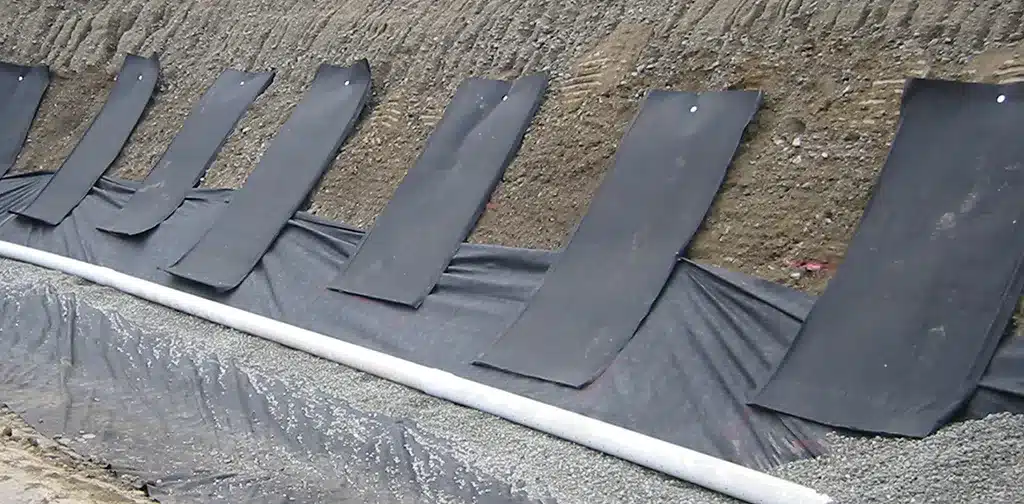
Geotextiles for erosion control are specialized fabrics designed to stabilize soil and prevent erosion caused by wind and water. Made from synthetic materials like polyester or polypropylene, these geotextiles act as a barrier that holds the soil in place while allowing water to flow through. They help reduce the velocity of water runoff, preventing the displacement of soil particles. The porous nature of these geotextiles also promotes water drainage, ensuring that the soil stays intact and protected from erosion.
What are the main benefits of using geotextiles for erosion control?
Using geotextiles for erosion control offers several key benefits:
- Soil Stabilization: They prevent soil movement and provide a foundation for plant growth, especially in areas with steep slopes or high water runoff.
- Water Management: Geotextiles help control water flow, reducing erosion by facilitating proper drainage and preventing water accumulation.
- Cost-Effectiveness: They are often more affordable and easier to install than traditional erosion control methods like retaining walls or concrete barriers.
- Environmental Benefits: Made from recyclable materials, these geotextiles are eco-friendly and reduce the environmental footprint of construction projects.
Can erosion control geotextiles be used on all terrains?
Yes, geotextiles for erosion control are highly versatile and can be used in a variety of terrains, including:
- Steep Slopes: The fabric helps stabilize the soil, preventing landslides and erosion caused by heavy rainfall.
- Shorelines and Riverbanks: These geotextiles protect against coastal erosion and the loss of soil due to water currents.
- Construction Sites: During heavy construction projects, geotextiles can manage water runoff and prevent soil loss from the site, reducing sedimentation in nearby water bodies.
How do erosion control geotextiles support sustainable construction?
Geotextiles for erosion control play a significant role in promoting sustainability in construction:
- Reduction of Soil Erosion: Geotextiles protect the land and reduce the need for further intervention or replenishment by preventing soil erosion.
- Water Conservation: Their drainage capabilities ensure that water does not pool in one area, preventing water wastage and promoting better irrigation practices.
- Long-Term Durability: Geotextiles offer long-lasting protection, reducing the need for frequent repairs and minimizing the environmental impact of the construction process.
Incorporating geotextiles for erosion control into construction projects offers an effective, sustainable solution to erosion problems. By providing soil stabilization, enhancing water management, and promoting eco-friendly practices, these geosynthetics are a smart and cost-effective choice for both residential and commercial projects. Whether for shoreline protection, steep slope stabilization, or construction site management, geotextiles for erosion control deliver long-term benefits that help preserve the environment while ensuring the durability of the infrastructure.



Comments
Post a Comment