Retaining Wall Filter Fabric: Preventing Erosion and Ensuring Durability
When constructing a retaining wall, ensuring its longevity and stability is crucial. One key component that plays a significant role in this process is retaining wall filter fabric, also known as geotextile fabric. This material helps manage water flow and prevent soil erosion, which are vital for maintaining the integrity of the retaining wall. In this article, we’ll explore why filter fabric is essential, the types of fabric you should use, how it functions, and how to properly install it in a retaining wall.
Should you put filter fabric behind a retaining wall?
Yes, it is highly recommended to put filter fabric behind a retaining wall. The primary purpose of filter fabric is to allow water to pass through while preventing soil from washing away. However, do not place filter fabric directly behind the SRW (Segmental Retaining Wall) blocks. Instead, position it further back where it can effectively separate the soil from the drainage material. This approach helps reduce the pressure that water can exert on the retaining wall, which in turn minimizes the risk of wall failure. By managing the drainage effectively, filter fabric helps to extend the life of the retaining wall, making it a crucial component in any retaining wall construction.
What kind of fabric should I use behind a retaining wall?
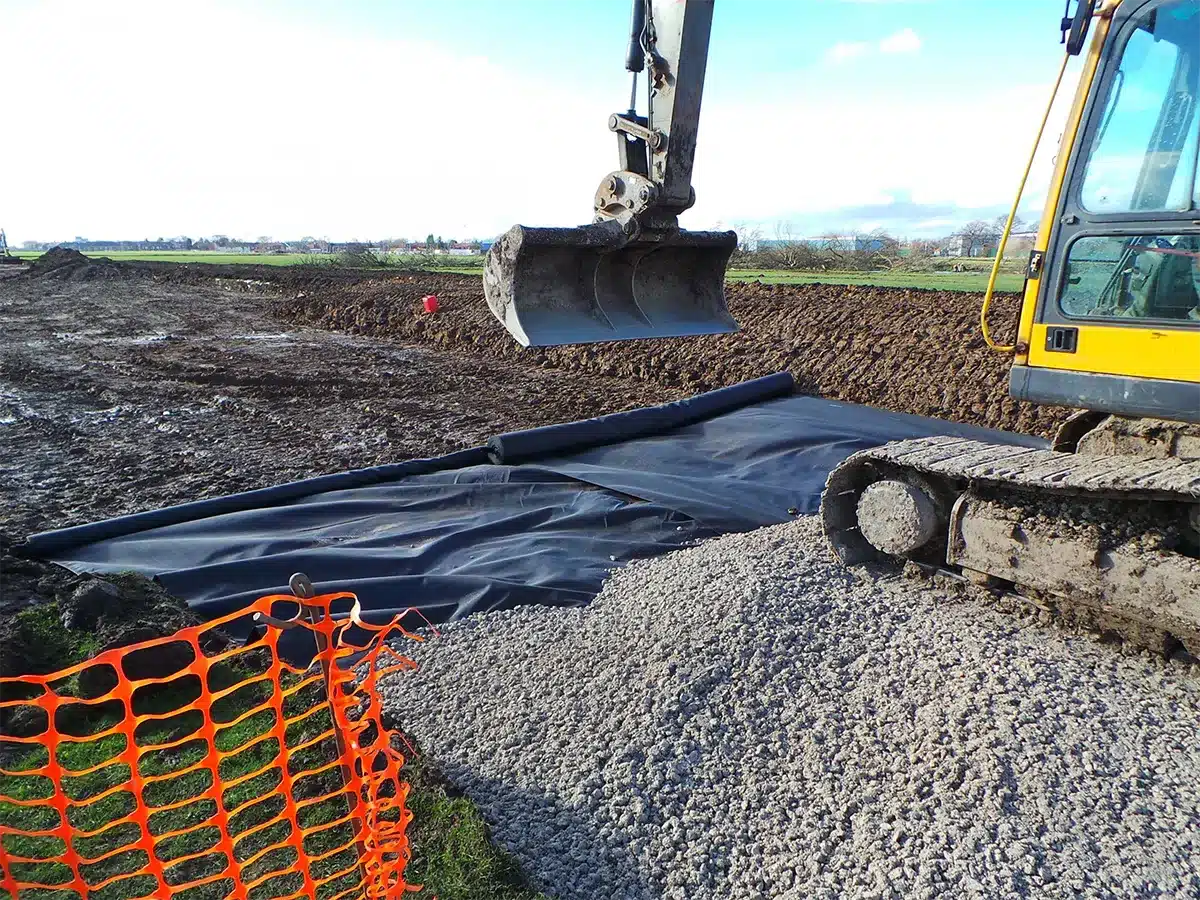
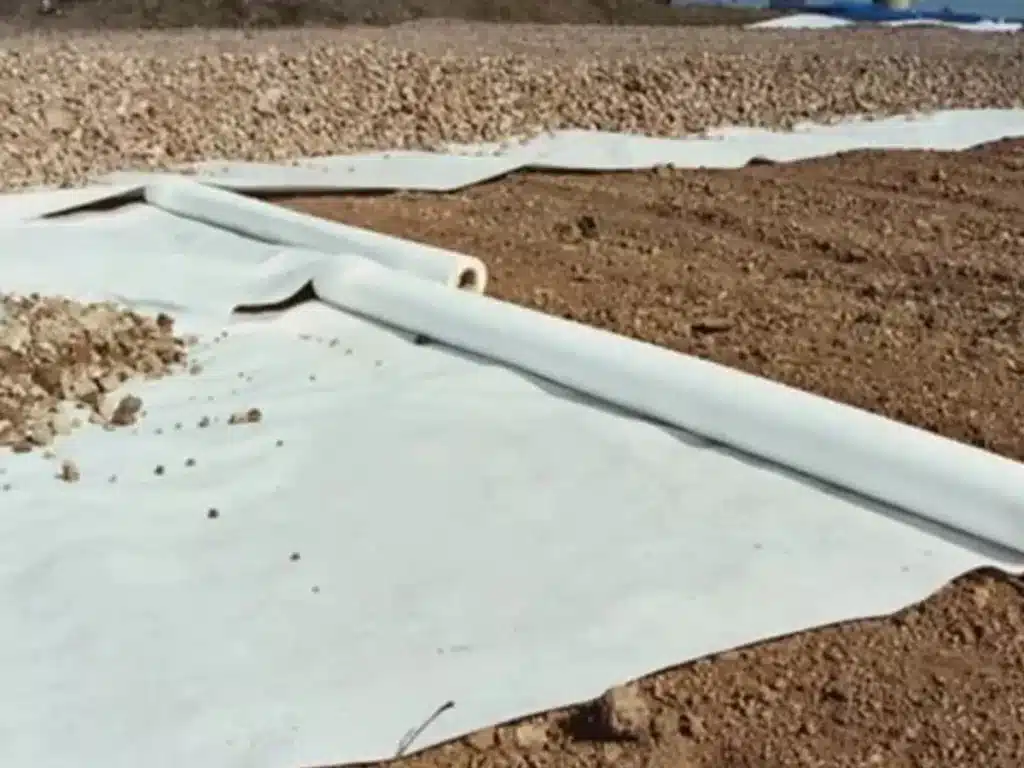
The best fabric to use behind a retaining wall is a non-woven geotextile fabric, also known as filter fabric. Filter fabric is highly effective at filtering water while keeping soil in place. These fabrics are made from synthetic materials like polypropylene or polyester, which are durable and resistant to rot and decay. The fabric should be strong enough to withstand the weight of the soil and any external forces while allowing adequate drainage. Choosing a high-quality, non-woven geotextile filter fabric ensures that your retaining wall will have the necessary support to handle water and soil pressures.
What is filter material behind retaining wall?
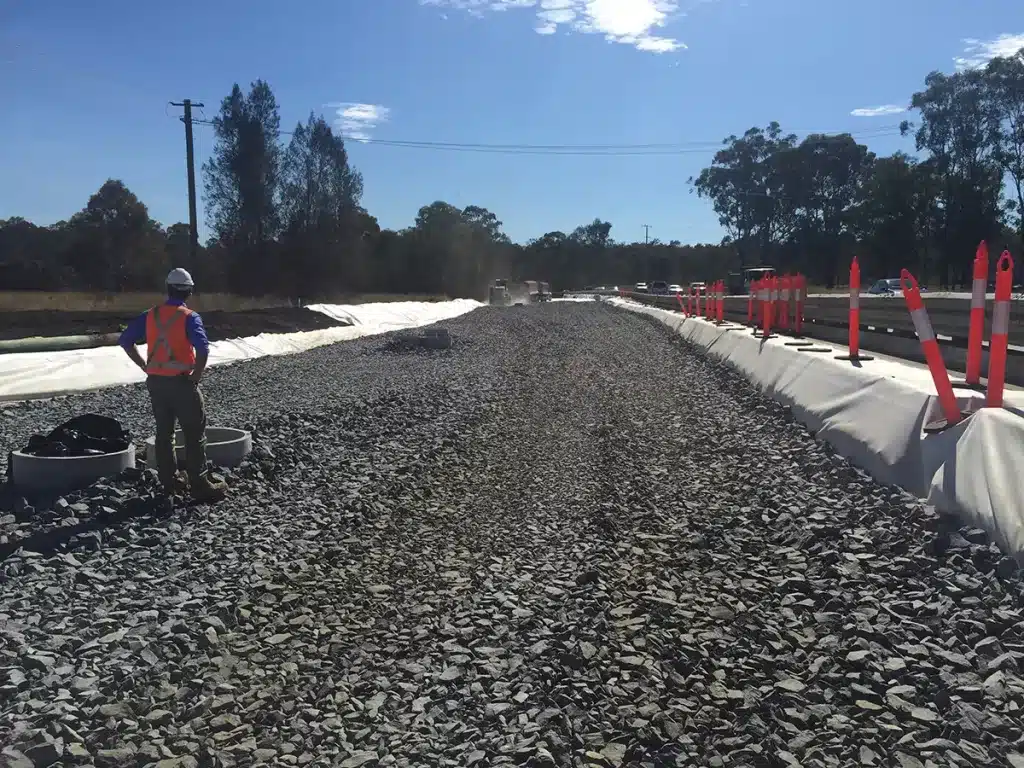
Filter material behind a retaining wall refers to the geotextile fabric, gravel, or crushed stone used to separate the soil from the drainage system. This material is crucial because it prevents fine soil particles from clogging the drainage system, which could otherwise lead to water buildup and increase pressure on the wall. The filter fabric acts as a barrier that allows water to pass through while holding back the soil, ensuring proper drainage and preventing soil erosion behind the wall. Similarly, gravel or crushed stone placed behind the wall enhances drainage by facilitating water flow away from the structure, further reducing the risk of pressure buildup and wall failure.
How do you use geotextile fabric in a retaining wall?
Using geotextile fabric in a retaining wall involves several key steps:
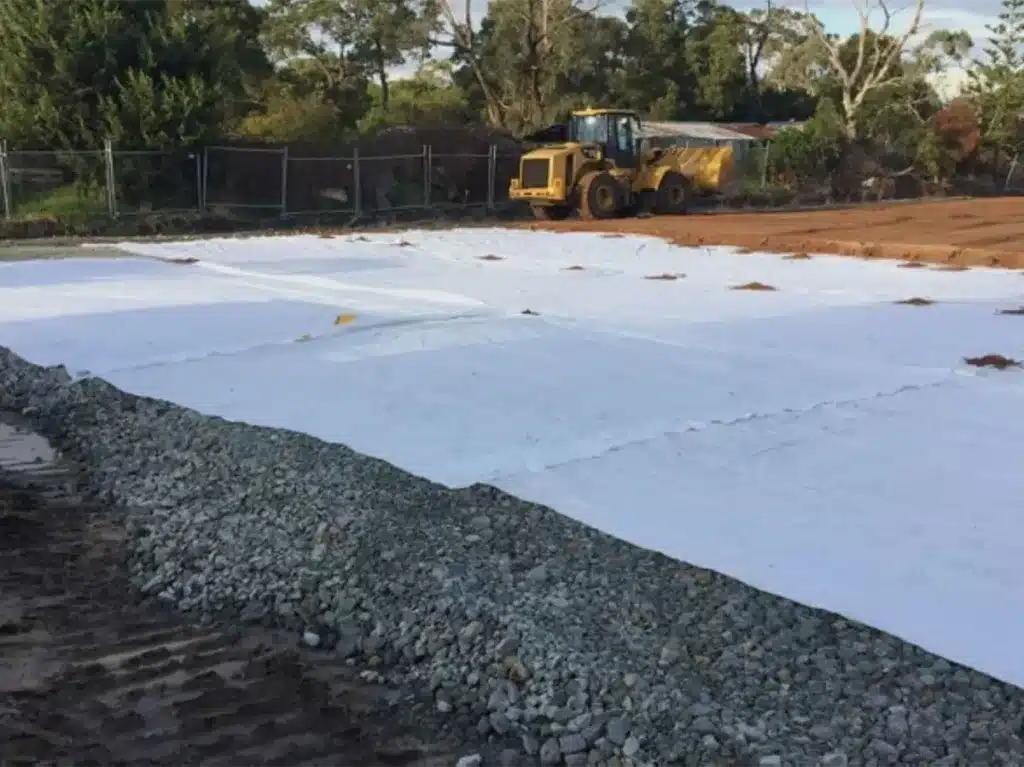
| Installation | After constructing the base of the retaining wall, lay the geotextile fabric against the back of the wall, ensuring that it covers the entire surface where the soil will be in contact with the wall. Additionally, line the inside of the wall with geotextile, making sure it wraps underneath and around the drainage aggregate area, separating it from the soil. |
| Overlapping | If multiple sheets of fabric are required, overlap them by at least 12 inches to prevent gaps where soil could escape. |
| Securing | Secure the fabric in place using anchor pins or staples, especially at the top of the wall, to ensure it doesn’t shift during backfilling. |
| Backfilling | After securing the fabric, backfill the area behind the wall with drainage gravel. The gravel should be placed between the fabric and the soil to facilitate proper water flow. |
| Finishing | Once the gravel is in place, cover the remaining exposed fabric with soil, making sure the fabric is entirely concealed and the wall is properly supported. |
Retaining wall filter fabric, or geotextile fabric, is an essential component in ensuring the durability and effectiveness of a retaining wall. By allowing water to pass through while preventing soil from washing away, it reduces pressure on the wall and prevents erosion. Using a high-quality, non-woven geotextile fabric behind your retaining wall can significantly extend its lifespan and maintain its structural integrity. Whether you’re building a small garden wall or a large-scale retaining structure, proper installation of filter fabric is key to a successful and long-lasting project.


Comments
Post a Comment