Nonwoven vs. Woven Geotextiles: Which is Best for Filtration?
Nonwoven cotton is a versatile material extensively used in various industries, and it has a significant role in the geotextile sector. Geotextiles are permeable fabrics that, when used in association with soil, can separate, filter, reinforce, protect, or drain. This article delves into the specifics of nonwoven geotextiles, addressing common queries and shedding light on their importance and applications in environmental and civil engineering.
What is Geotextile Nonwoven Fabric?
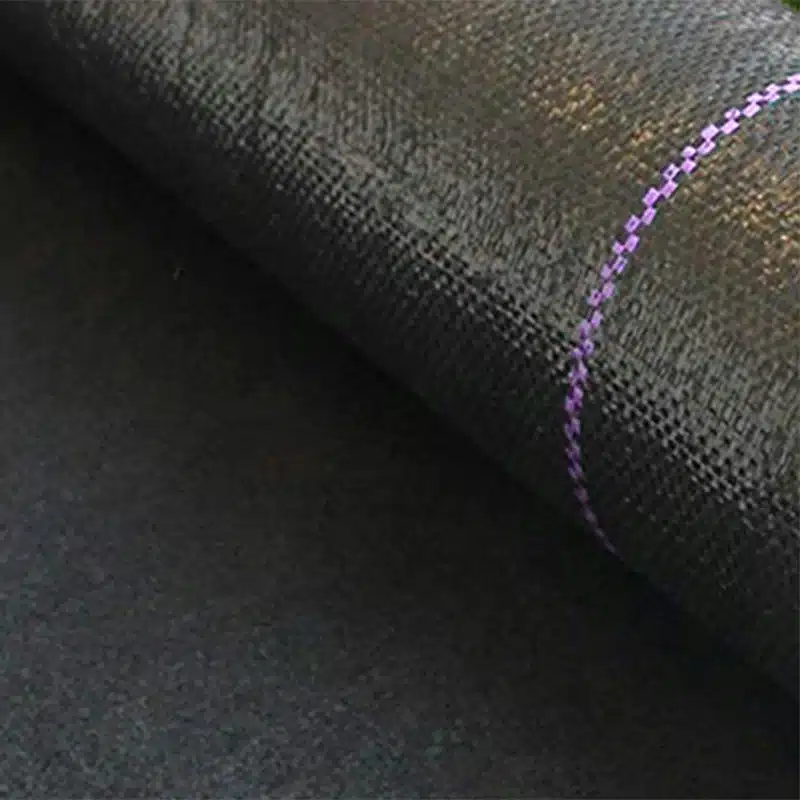
Nonwoven geotextile fabric is usually made using synthetic materials such as polyester or polypropylene and is permeable. These materials and natural cotton are bonded together mechanically, thermally, or chemically. The production process does not involve weaving or knitting. Instead, fibers are entangled to form a stable and durable structure, which allows them to provide excellent filtration and separation functionalities when used with soil. The key characteristics of nonwoven geotextiles include high permeability to water and retention of fine particles, making them ideal for drainage and filtration applications.
Is Geotextile Waterproof?
Geotextiles, by their very nature, are not typically waterproof but are instead designed to be permeable to allow water to pass through while preventing soil erosion. Nonwoven geotextiles, in particular, have excellent water flow rates and are inherently water-resistant, making them suitable for drainage projects where water flow needs to be managed without transporting soil particles. However, certain geotextiles can be further treated or manufactured to enhance their ability to resist water if specific project conditions require it.
When to Use Geotextile Fabric?
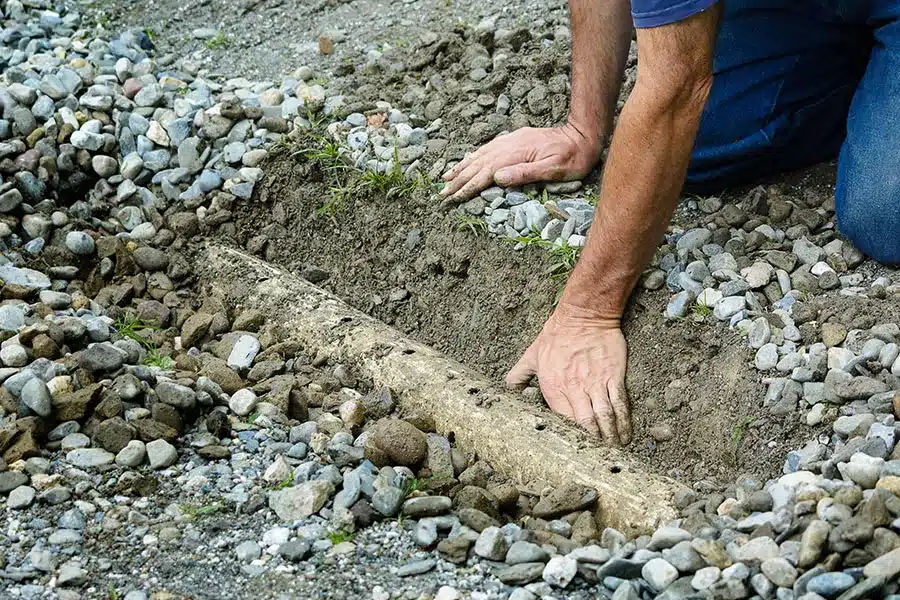
Geotextile fabrics are used in a variety of scenarios, primarily in civil engineering and environmental projects. They are employed in road construction to stabilize the ground, in landscaping to separate soil layers, and in erosion control measures. Nonwoven geotextiles specifically are best used when both soil separation and permeability are required, such as in situations requiring filtration and separation of sediments in retaining wall drainage systems or under roads to prevent mixing of different soil layers.
Why is Geotextile Used?
Geotextiles are used because of their ability to enhance the performance and durability of the structures with which they are used. They help in stabilizing the soil, improving load distribution, and preventing soil erosion and damage to construction. Specifically, geotextiles are utilized to improve soil characteristics before building embankments, roads, pipelines, and earth-retaining structures. By using geotextile fabrics, project costs are often reduced, construction times are decreased, and the integrity and longevity of the engineering works are significantly enhanced.
Nonwoven geotextiles, particularly those made from nonwoven cotton, play a pivotal role in modern engineering and construction. Their ability to separate, filter, reinforce, and protect, combined with their environmental compatibility, makes them indispensable in numerous applications ranging from road construction to environmental protection projects. Understanding the functionalities and applications of nonwoven geotextiles can lead to more sustainable and cost-effective construction practices. As technology advances, the scope of applications for nonwoven geotextiles continues to expand, making them a key material in the toolkit of engineers and construction professionals around the world.



Comments
Post a Comment