Geotextile Fabric: Key to Preventing Soil Erosion in Retaining Walls
Geotextile fabric is an essential material in modern construction, particularly when it comes to building and maintaining retaining walls. This fabric, often referred to as “fabric on the wall,” provides crucial support and protection, ensuring the longevity and stability of retaining structures. In this article, we’ll explore the types of fabrics used behind retaining walls, their applications, and the benefits they offer.
What type of fabric do you put behind a retaining wall?
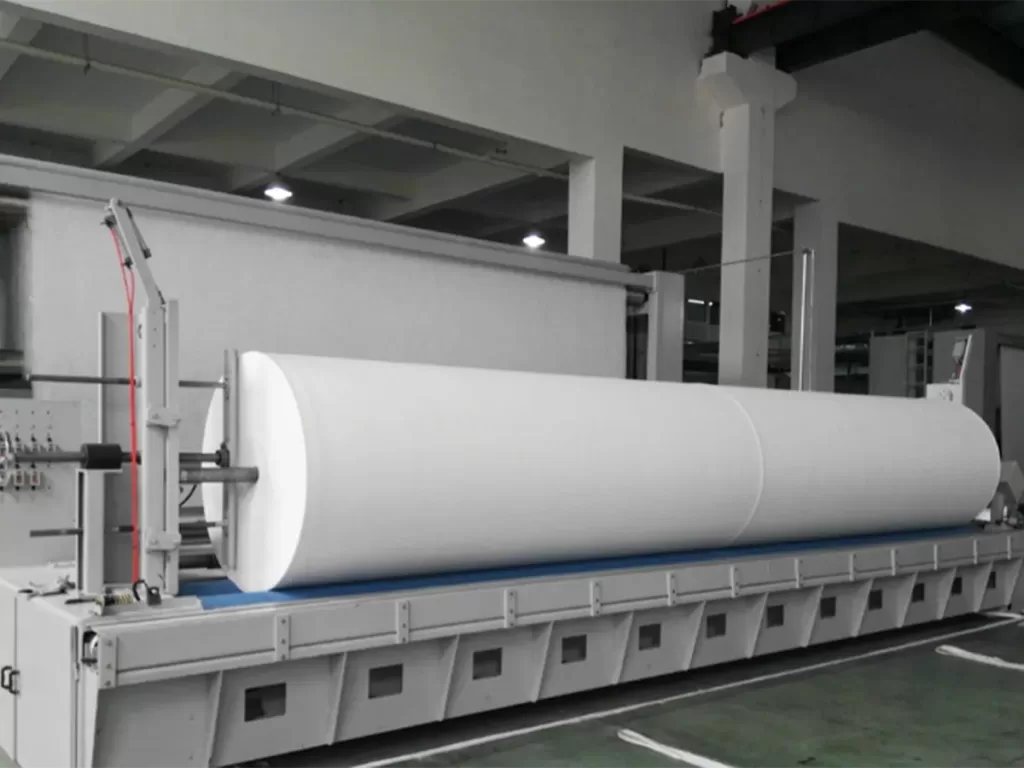
The type of fabric commonly used behind a retaining wall is geotextile fabric. Filter fabric, also known as a geotextile, can be either woven or nonwoven, with nonwoven types being more popular for retaining wall applications. These fabrics are made from synthetic materials like polypropylene or polyester, which are designed to provide excellent filtration and drainage while preventing soil erosion. Their porous nature allows water to pass through while keeping soil particles in place, which is crucial for maintaining the integrity of the retaining wall.
How do you use geotextile fabric in a retaining wall?
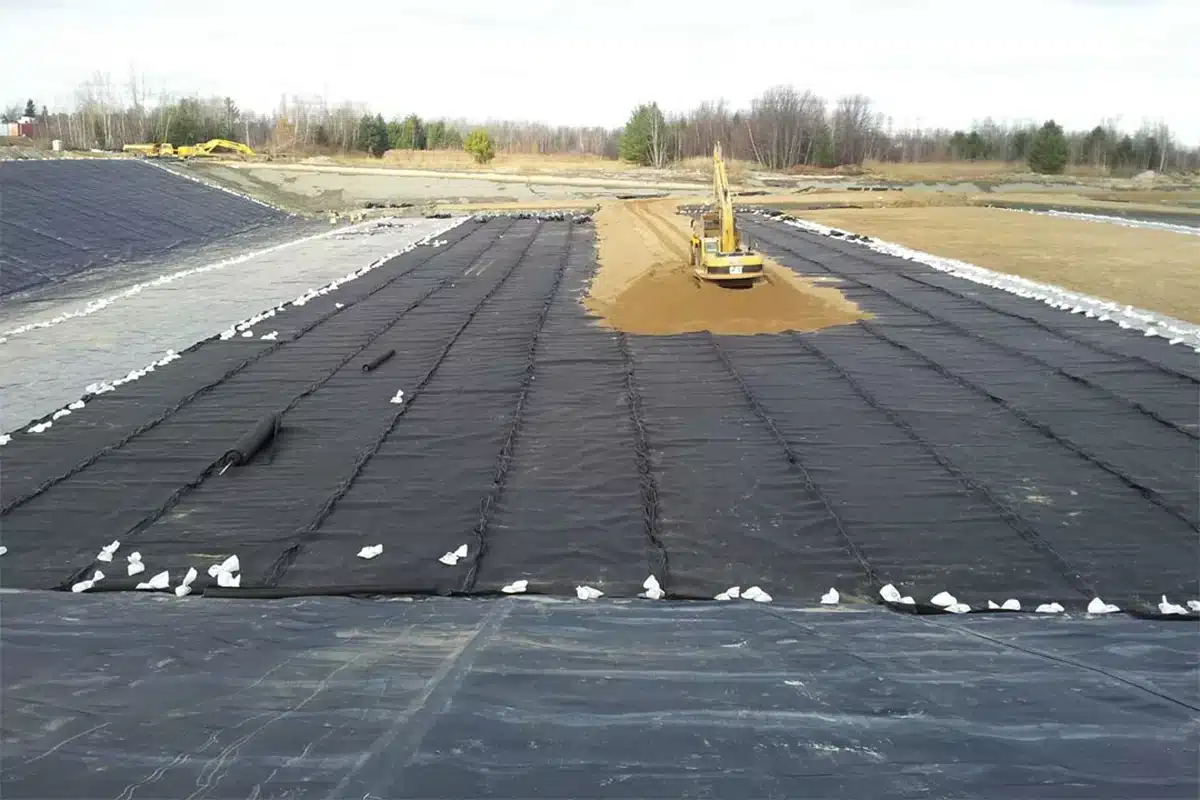
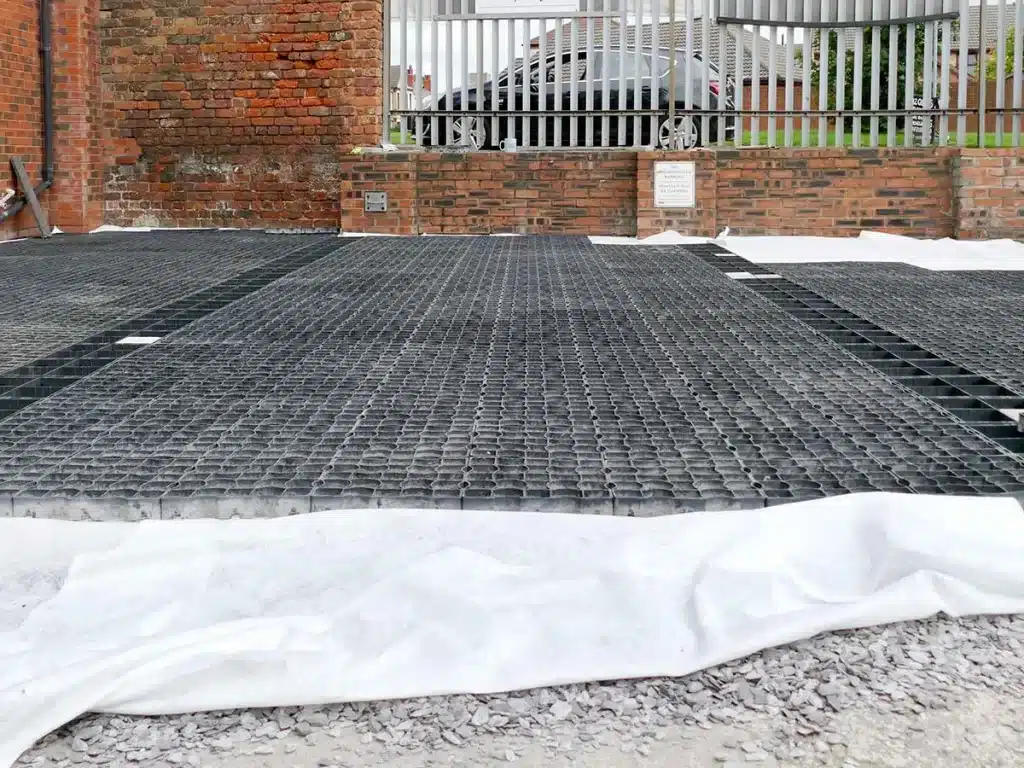
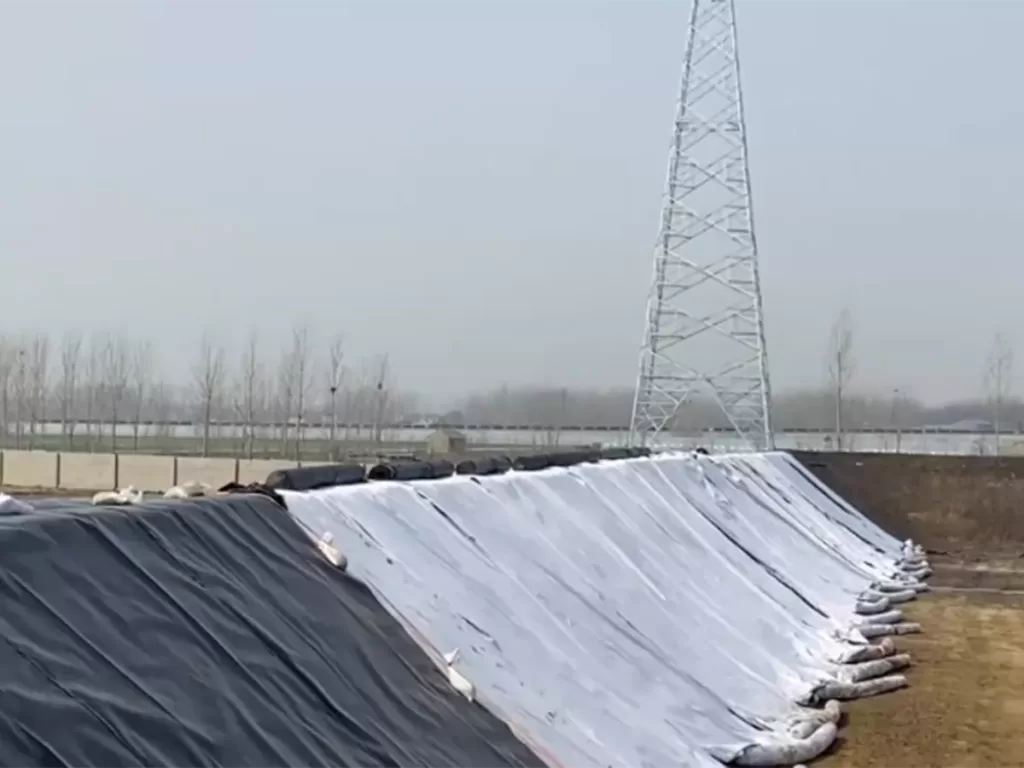
Using geotextile fabric in a retaining wall involves several steps to ensure proper installation and functionality. First, the area behind the wall is excavated and leveled. Next, a layer of gravel or aggregate is placed at the base to facilitate drainage. The geotextile fabric is then laid over the gravel, extending up the wall and covering the backfill area. It’s important to line the inside of the wall with geotextile, making sure it wraps underneath and around the drainage aggregate area, separating it from the soil. This setup allows water to flow through the fabric and into the drainage layer, preventing water buildup and reducing pressure on the wall. The fabric also acts as a barrier, keeping soil particles from clogging the drainage system.
What is best to put behind a retaining wall?
The best materials to put behind a retaining wall include a combination of geotextile fabric, well-draining gravel or sand, and backfill soil. Geotextile fabric provides filtration and drainage while well-draining gravel or sand creates a drainage layer that directs water away from the wall. This combination helps to prevent water accumulation and soil erosion, both of which can compromise the stability of the retaining wall. Additionally, using high-quality backfill soil with good compaction properties ensures that the wall remains stable and effective over time.
What is the use of geotextile in retaining walls?
The primary use of geotextile in retaining walls is to enhance drainage and prevent soil erosion. To provide drainage behind retaining walls, geotextile fabric allows water to pass through while keeping soil particles in place, reducing hydrostatic pressure on the wall and preventing waterlogging. This is crucial for maintaining the structural integrity of the wall and preventing potential failures. Additionally, geotextile fabric acts as a filter, preventing fine soil particles from clogging the drainage system, thereby ensuring efficient water management and prolonging the life of the retaining wall.
Geotextile fabric, often referred to as “fabric on the wall,” plays a vital role in the construction and maintenance of retaining walls. It provides essential support by enhancing drainage, preventing soil erosion, and reducing pressure on the wall. By using the appropriate type of geotextile fabric and combining it with gravel and backfill soil, you can ensure the longevity and stability of retaining walls. Understanding the benefits and proper application of geotextile fabric can lead to more effective and durable retaining wall structures in various construction projects.


Comments
Post a Comment