Why Use Geogrids for Retaining Walls? Benefits and Best Practices
In the realm of civil engineering and construction, ensuring the stability and durability of structures is paramount. One innovative solution that has revolutionized soil stabilization and reinforcement is the use of geogrids. Commonly referred to as ground reinforcement grids, geogrids provide essential support to various infrastructure projects, from roads and parking lots to retaining walls and embankments. This article explores the basics of geogrid technology, highlights its differences from other geosynthetic materials like geofabric, and guides you through its applications in retaining wall construction.
What is geogrid soil reinforcement?
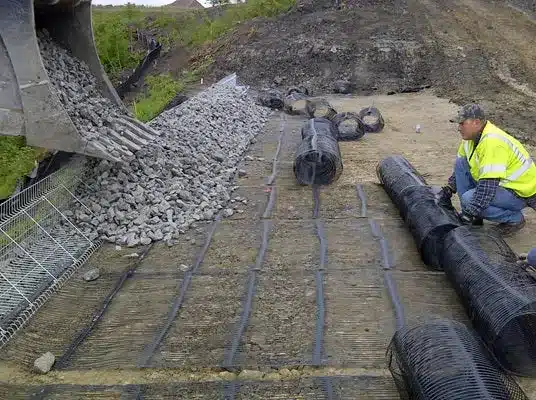
Geogrid soil reinforcement refers to using geogrid materials, a geosynthetic material made of polymers, which is used to reinforce soil behind retaining walls, to enhance the load-bearing capacity and stability of soil. Geogrids are synthetic mesh-like structures that interlock with soil and aggregate layers, effectively distributing loads over a broader area and improving the overall strength and durability of the soil structure. These grids are essential in construction and landscaping projects where soil stabilization is critical, such as slopes, foundations, and pavement systems.
What is the difference between geogrid and geofabric?
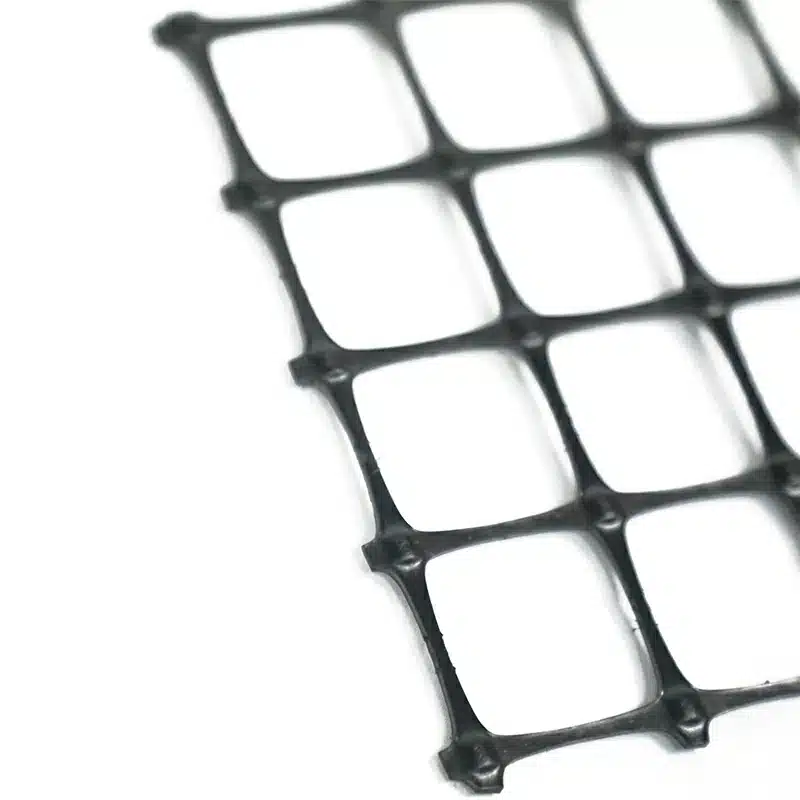
Although geogrids and geofabrics are used in soil stabilization, they serve different purposes and possess distinct properties. Geogrids are characterized by their open, grid-like structure, which allows them to interlock with soil particles and provide tensile reinforcement. Geogrids are specifically manufactured as a reinforcement material. On the other hand, geofabrics, also known as geotextiles, are permeable fabrics used primarily for filtration and separation. Geotextiles are manufactured for separation, filtration, and drainage purposes. They prevent soil particles from mixing with other materials but do not offer the same load distribution or reinforcement level as geogrids.
Should I use Geogrid for retaining walls?
Yes, using geogrids for retaining walls is highly recommended, especially in scenarios where enhanced soil stabilization is necessary. Incorporating geogrid can be an incredibly important step to creating a long-lasting retaining wall that’s functional and attractive. Retaining walls built with the support of geogrids are more durable and less likely to succumb to the pressures of shifting soil and water erosion. The geogrid provides additional tensile strength, helping to hold the soil in place and maintaining the integrity of the wall under various environmental stresses.
Which geogrid is best for retaining walls?
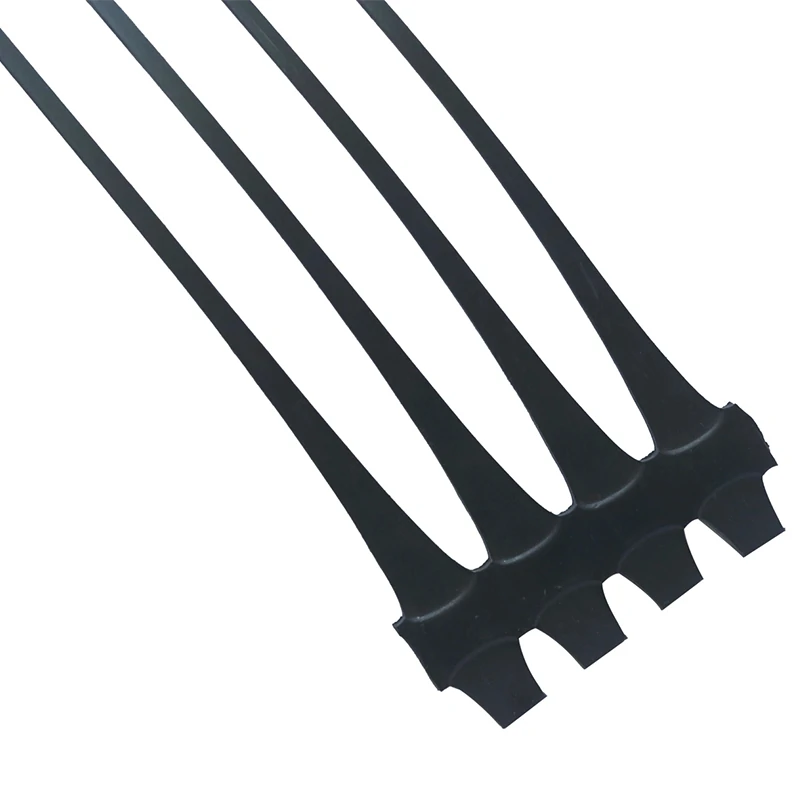
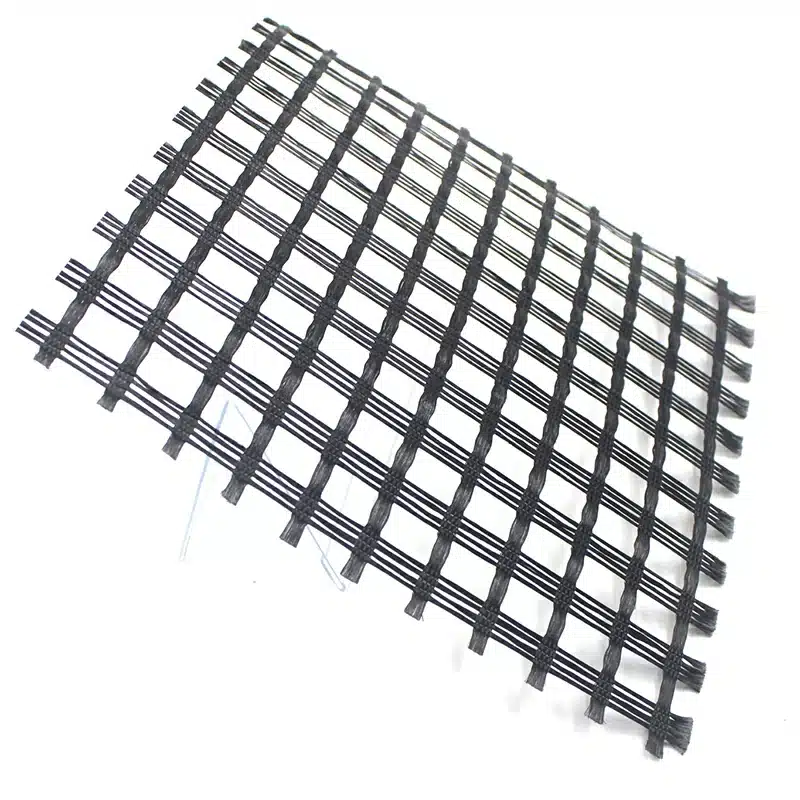
The choice of geogrid for retaining your wall depends on several factors, including the height of the wall, the soil type, and the expected load. Large roll geogrids, particularly in high-density polyethylene (HDPE) and polyester, are among the most common choices. HDPE geogrids are known for their robustness and excellent resistance to environmental factors such as UV rays and chemical degradation. Polyester geogrids, while offering superior flexibility and creep resistance, are ideal for walls that require long-term performance under continuous load. Consulting with an engineer to select the appropriate type and specification of geogrid based on your specific project needs is advisable.
Ground reinforcement grids, or geogrids, are a cornerstone technology in modern construction, offering a reliable solution for soil stabilization and reinforcement challenges. By understanding the distinct functions and benefits of geogrids compared to other geosynthetic products like geofabric, and recognizing their importance in applications such as retaining walls, engineers and builders can significantly enhance the longevity and safety of their structures. As technology advances, the adoption of geogrids in diverse construction projects is set to increase, marking a new era of efficient and sustainable infrastructure development.


Comments
Post a Comment