How Woven Geotextile Fabrics Prevent Soil Erosion and Enhance Drainage
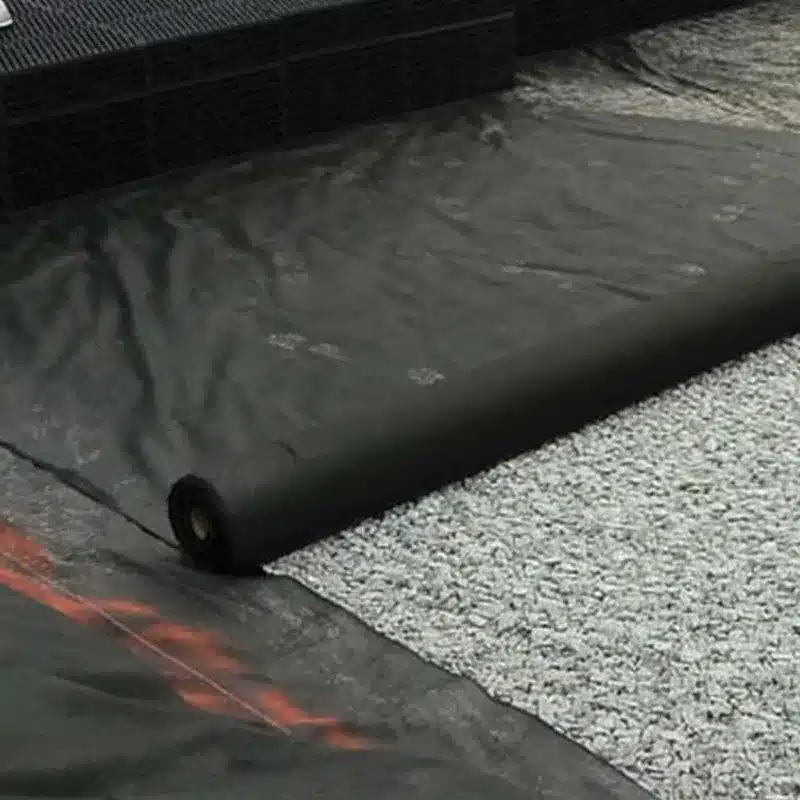
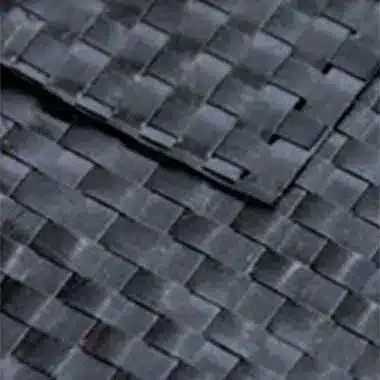
Woven geotextile fabrics are often unseen yet crucial in modern construction and landscaping. These robust, permeable materials offer essential support and protection in various applications, from erosion control to soil stabilization. Commonly referred to as “wall fabrics” when used in retaining wall systems, woven geotextiles combine strength, durability, and hydraulic properties that make them indispensable in many projects.
Does woven geotextile fabric let water through?
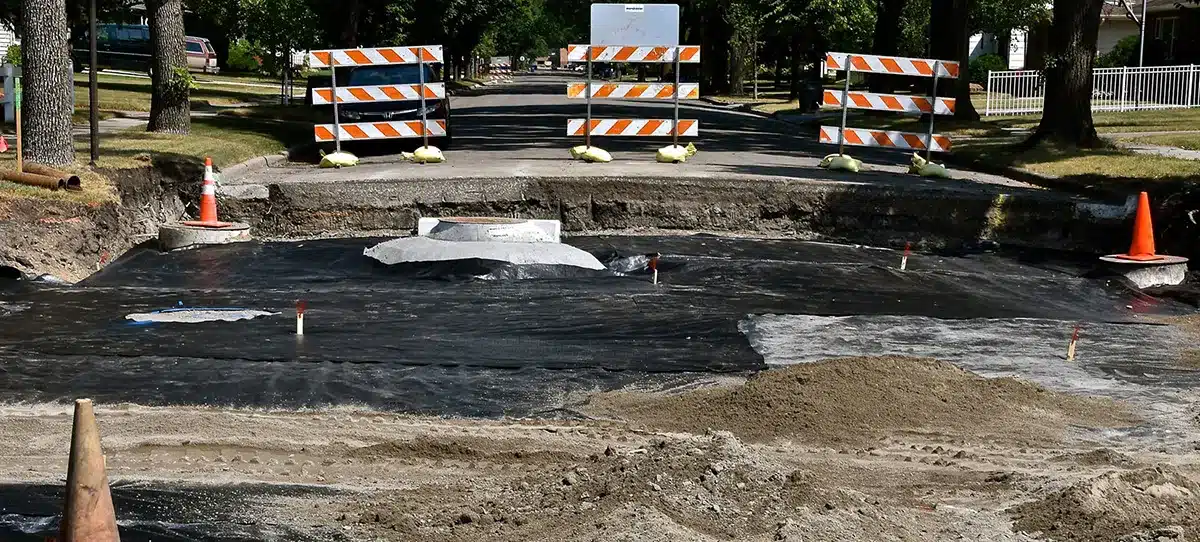
Yes, woven geotile fabric is designed to be permeable, allowing water to pass through while retaining soil particles. This permeability is crucial for drainage and filtration applications, as it helps provide drainage by enabling water to seep through, preventing water buildup and the associated pressure that can compromise structural integrity. In retaining walls, the ability of these wall fabrics to let water flow through prevents waterlogging and promotes stability.
What is woven geotextile fabric used for?
Woven geotextile fabric serves multiple purposes across various sectors, including construction, agriculture, and civil engineering, particularly excelling in reinforcement and stabilization applications. Its primary uses include:
- Soil stabilization: Reinforces soil by distributing loads evenly and reducing rutting.
- Erosion control: It protects soil surfaces from erosion by water or wind.
- Separation and filtration: It separates different soil layers and filters out fine particles, preventing the mixing of materials that can weaken the structure.
- Drainage: It facilitates the flow of water within soil layers, preventing water accumulation and promoting soil health.
- Reinforcement: When used in retaining walls and road construction, it adds tensile strength and longevity to the structure.
What kind of fabric is behind a retaining wall?
Woven geotextile fabric, along with non-woven geotextile fabric, is ideal for use behind retaining walls. While woven geotextiles act as a filter and a separator, non-woven varieties enhance these capabilities with better drainage and flexibility. Both types prevent the mixing of backfill material with native soil and ensure adequate drainage. These “wall fabrics” are critical in maintaining the integrity and stability of the wall by alleviating hydrostatic pressure and enhancing durability.
Can roots penetrate geotextile fabric?
The ability of roots to penetrate woven geotextile fabric depends largely on the fabric’s weave density and material strength. Generally, high-quality woven geotextiles are resistant to root penetration, making them suitable for applications such as landscaping, where root intrusion can be problematic. However, in scenarios where root barrier properties are crucial, selecting the appropriate grade and specification of geotextile fabric is essential. It’s worth noting that, although roots penetrated the geotextile used in one experiment, it may still have impeded root growth and development, highlighting the fabric’s potential to partially control root behavior even when not completely impenetrable.
Woven geotextile, often referred to as wall fabrics when used in applications like retaining walls, is a multifunctional material that plays a pivotal role in numerous engineering and construction projects. Its ability to allow water flow, coupled with its strength and durability, makes it ideal for a variety of uses ranging from soil stabilization to erosion control. Whether it’s reinforcing a retaining wall or preventing root intrusion, woven geotextile fabric is an indispensable tool in the landscape and construction industries. Understanding its properties and applications can lead to more effective and sustainable project outcomes.


Comments
Post a Comment