Geogrid Solutions for Erosion Control on Slopes and Hillsides
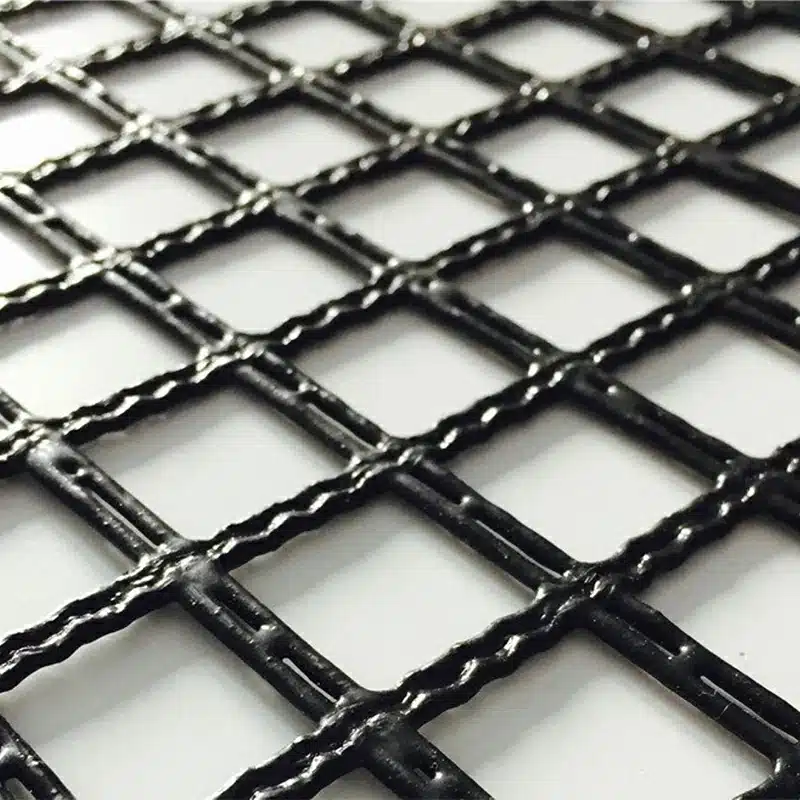
Retaining walls are crucial for managing slopes and hillsides, especially in areas prone to erosion or collapse. One innovative solution that has proven effective in enhancing the structural integrity of these walls is the use of geogrids. Geogrids, with their grid-like polymeric materials, reinforce soil, distributing loads evenly and increasing the overall stability of the retaining structure. This article explores the critical role of geogrids in constructing durable and reliable slope hillside retaining walls.
When to use geogrid in retaining walls?
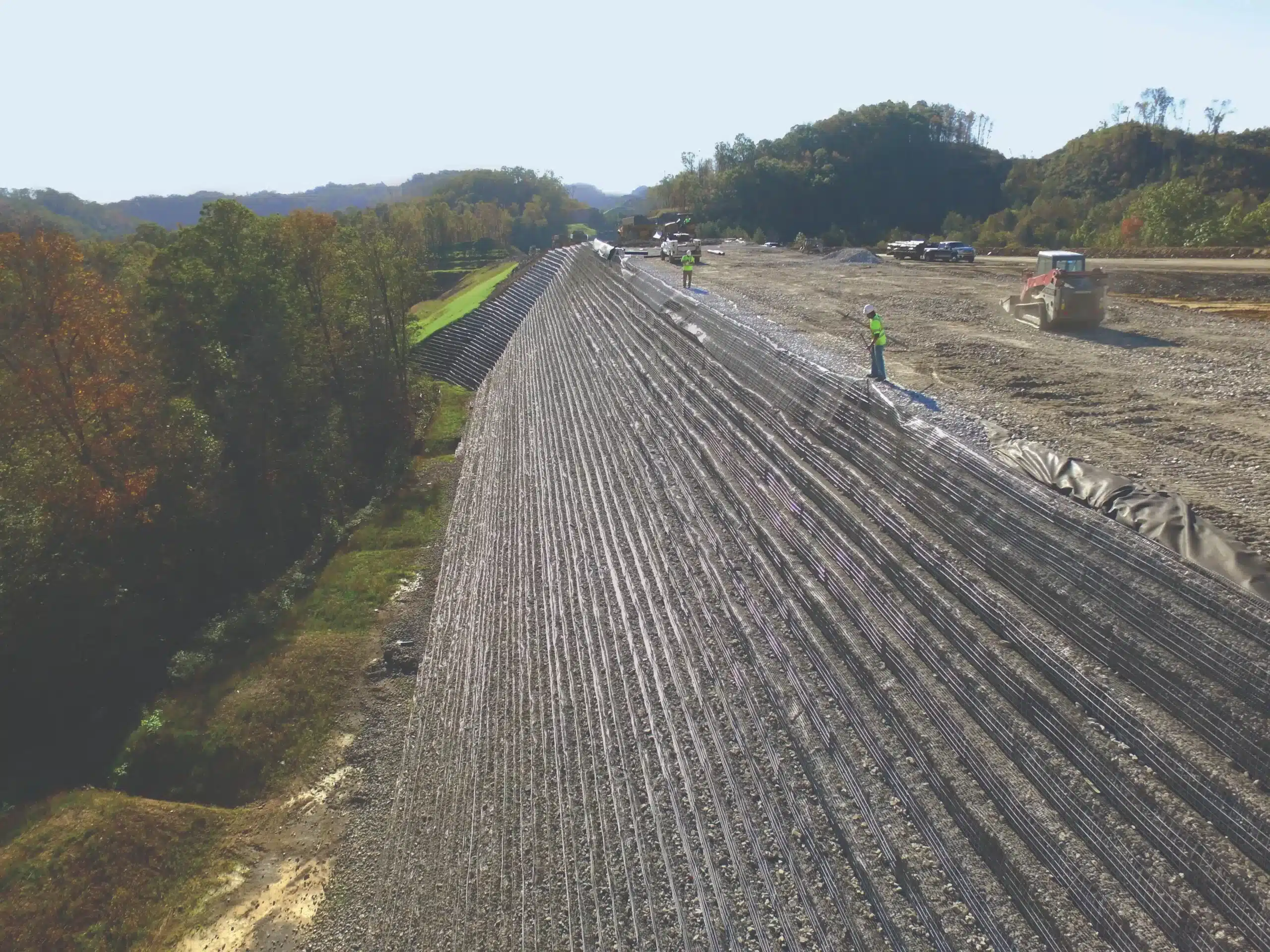
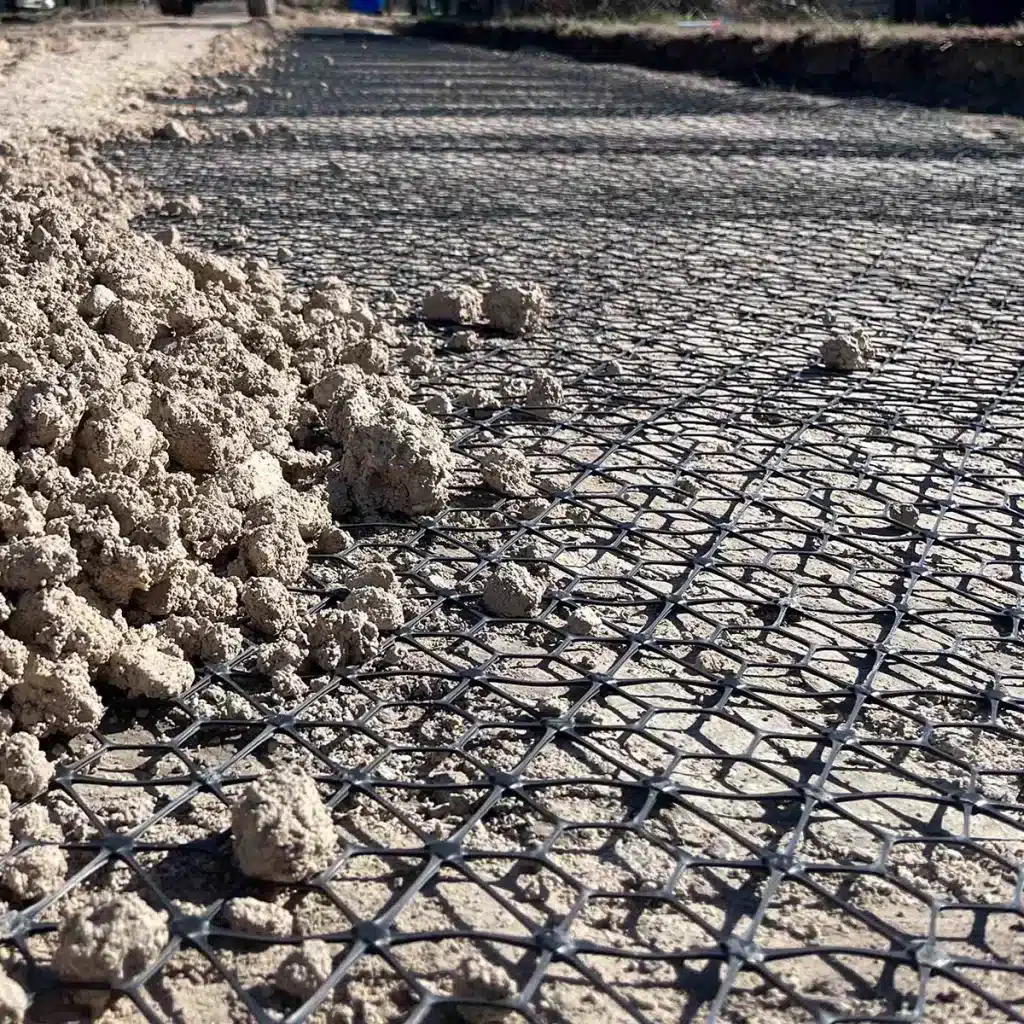
Geogrids are particularly useful in retaining wall applications when the wall height exceeds the ability of traditional building materials to handle the lateral pressure of the soil, especially at exposed wall heights of 36″-48″. They are essential in areas with soft soils, high load conditions, or where long-term durability is critical. Incorporating geogrids can also be a cost-effective solution, as they allow for the use of local fill materials and reduce the need for extensive foundation work.
How high can a retaining wall be without geogrid?
The maximum height of a retaining wall without geogrid depends largely on the type of materials used, the conditions of the soil, and the load it must bear. Generally, small retaining walls under 3 to 4 feet tall can be safely constructed without additional reinforcement. However, geogrids become essential for higher walls, especially those over 4 feet to prevent collapse and ensure stability.
How do you stabilize steep slopes?
Stabilizing steep slopes can be effectively achieved using geogrids, suitable vegetation, and proper drainage measures. To enhance this effect, planting grass and other vegetation on these slopes is recommended. The geogrid reinforces the slope by creating a mechanically stabilized earth structure, which resists the forces that tend to pull the slope downwards. This method not only stabilizes the soil but also promotes natural vegetation by providing an environment conducive to growth, which further anchors the soil.
How much geogrid do I need for a retaining wall?
The amount of geogrid required for a retaining wall depends on several factors, including wall height, soil type, and load conditions. As a general rule, the geogrid layers should be spaced at vertical intervals approximately equal to 0.6 to 0.8 times the height of the wall. Additionally, the geogrid should be placed at the design elevation for the entire wall length or until a wall step is reached. The length of the geogrid should also be at least 60-80% of the wall’s height to ensure adequate anchorage and force distribution.
Geogrids are a powerful tool in the construction of slope hillside retaining walls, providing essential reinforcement that ensures the longevity and safety of these structures. By understanding when and how to effectively use geogrids, you can enhance the stability of slopes and hillsides in a cost-effective and environmentally friendly way. Whether you are dealing with high walls or steep slopes, geogrids offer a proven solution for challenging terrain.


Comments
Post a Comment