Effective Ways to Seal a Geomembrane for Maximum Durability
Geomembranes are pivotal in waterproofing technologies, offering robust solutions to protect against moisture and environmental contaminants. As synthetic liners, they play a critical role in various applications, from environmental protection to civil and architectural engineering. This article delves into the effectiveness of geomembranes as waterproof barriers, explores the best types available, examines their installation process, and details the bituminous membrane waterproofing method.
Is Geomembrane Waterproof?
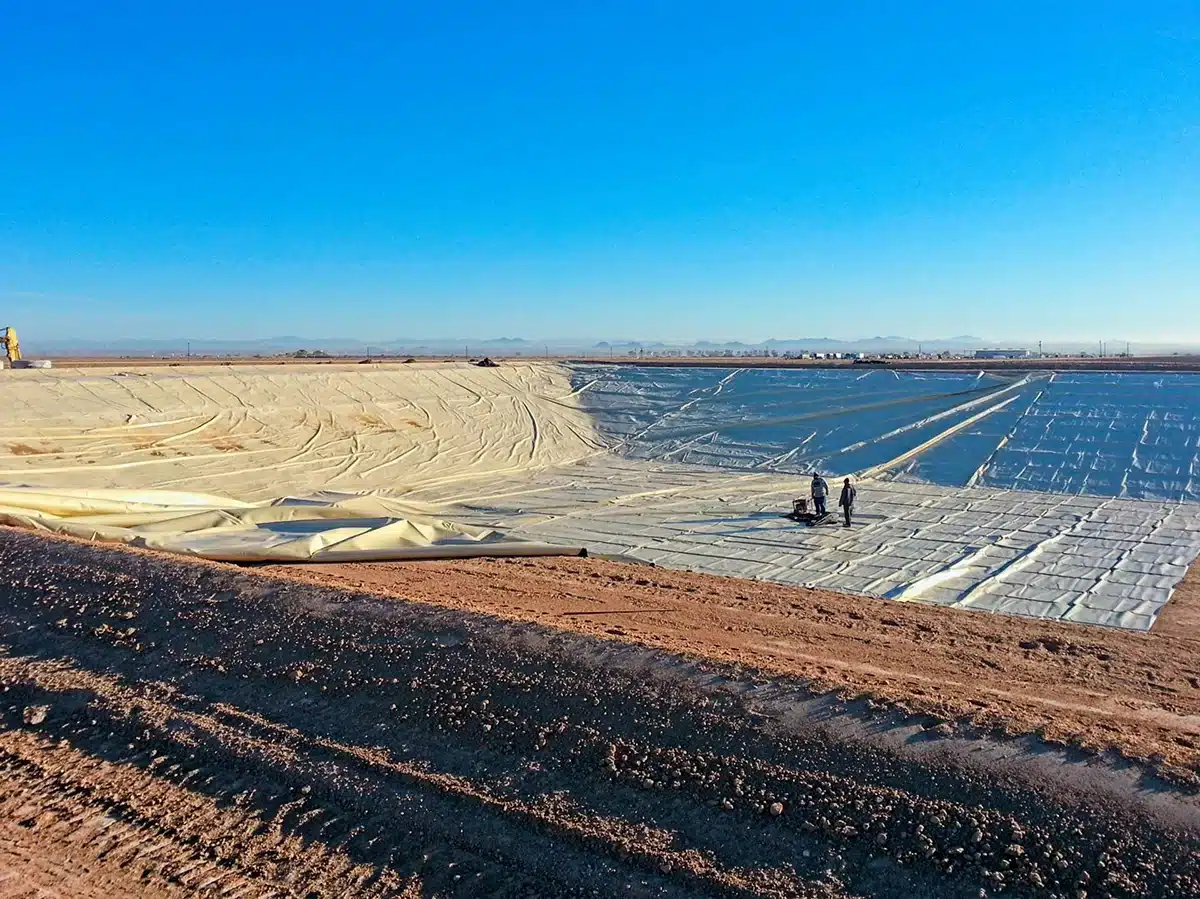
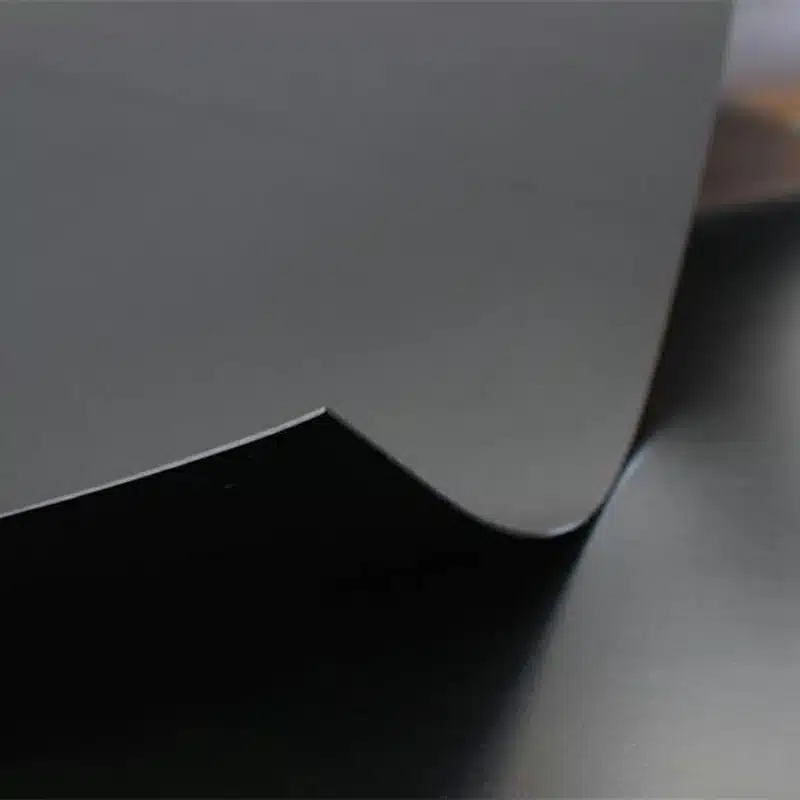
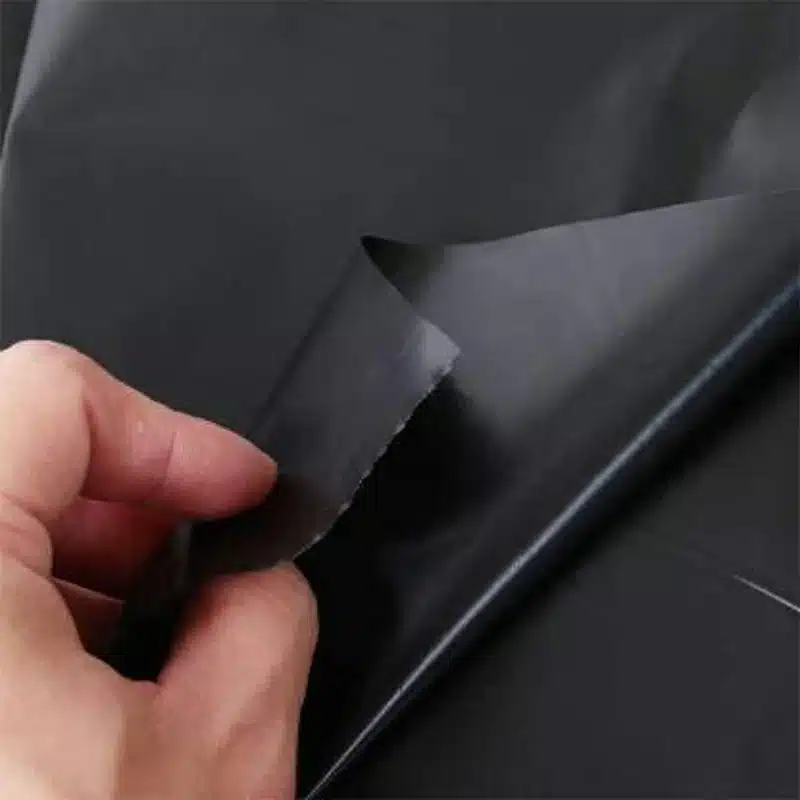
Yes, a geomembrane is waterproof and exhibits high resistance to water. They are crafted from materials such as HDPE, LDPE, PVC, and other polymeric alloys, which are inherently resistant to water penetration. The primary role of a geomembrane is to act as a barrier that prevents the migration of liquids, making them an ideal selection for applications such as pond liners, landfill covers, and foundational barriers in construction projects. Their resistance to hydrostatic pressure truly distinguishes them as a superior waterproof membrane.
What is the Best Waterproofing Membrane?
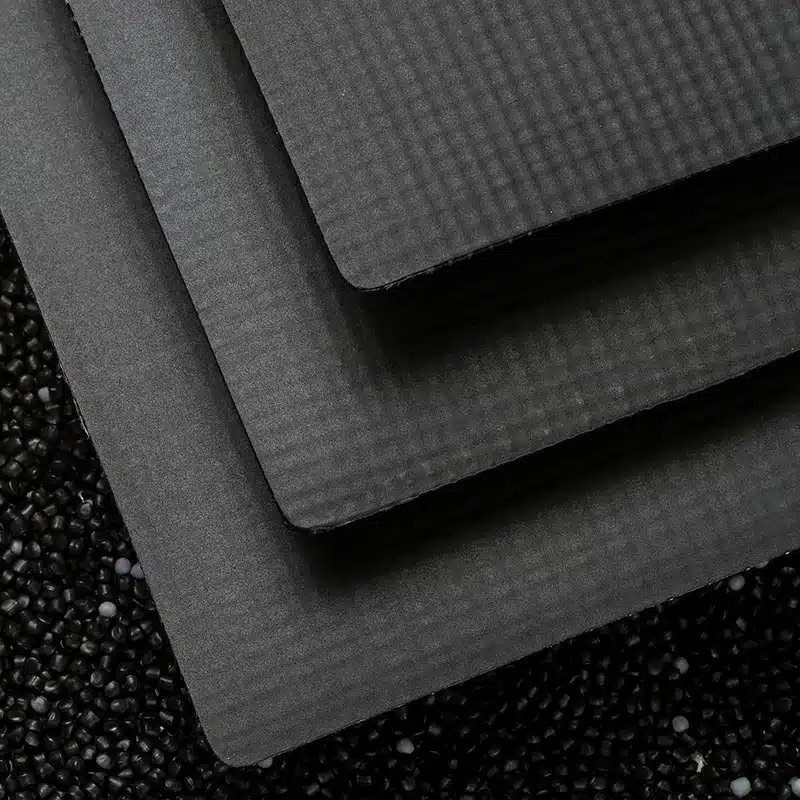
The best waterproofing membrane depends on the specific needs of the project, including factors like exposure conditions, chemical resistance, and physical durability. While HDPE (High-Density Polyethylene) geomembranes are widely regarded as one of the top options due to their exceptional durability, chemical resistance, and impermeability, Ethylene Propylene Diene Monomer (EPDM) rubber is also highly valued for its elasticity and weather resistance. Both materials are particularly effective for projects requiring high levels of water containment, making them top choices in both industrial and environmental applications.
How Do You Seal a Geomembrane?
Sealing a geomembrane is crucial for ensuring its effectiveness in waterproofing. This is typically achieved through a variety of methods including thermal welding, adhesive bonding, or tape. Thermal welding is the most common technique used, especially for high-density polyethylene (HDPE) membranes. This process involves using heat to fuse the membrane sheets, creating a continuous, impermeable barrier. Additionally, innovative techniques such as putting a voltage across a geomembrane liner allow electrophoresis to attract suspended clay particles to leaks, effectively sealing them. Proper technique and professional execution are essential to achieve a secure seal, preventing any possibility of leaks.
What is the Bituminous Membrane Waterproofing Method?
The bituminous membrane waterproofing method involves using a membrane made from bitumen, a sticky, black, and highly viscous liquid or semi-solid form of petroleum. Commonly used to waterproof surfaces such as roofs, foundations, and decks, bituminous membranes can be applied to both new and existing surfaces. This type of membrane is applied in layers and is particularly effective on flat or low-slope roofs. Known for its excellent waterproofing qualities and durability, bituminous membranes can be either torch-applied or self-adhesive; the torch-applied method involves heating the underside of the membrane to adhere it to the surface, creating a robust, water-resistant layer.
Geomembranes represent a critical advancement in waterproofing technology, providing effective and reliable solutions across a range of applications. Whether it’s HDPE for pond liners or bituminous membranes for roofs, the choice of membrane should be tailored to the specific environmental and physical demands of the project. Understanding the properties, installation techniques, and applications of geomembranes can guide professionals in achieving the best possible outcomes in waterproofing projects.


Comments
Post a Comment