Advantages of Using High-Density Polyethylene in GeoCell Systems
High-density polyethylene (HDPE) has emerged as a crucial material in various construction and environmental applications, particularly in the manufacture of GeoCell systems. As the demand for durable and cost-effective construction materials rises, HDPE for sale offers a promising solution. This article delves into the specifics of GeoCell technology, exploring its costs, materials, and distinguishing features, especially in comparison to other polymers like PVC.
What is the cost of GeoCell per square meter?
The cost of GeoCell systems can vary widely based on factors such as material thickness, density, size, and the manufacturer’s pricing. On average, the price of HDPE GeoCell per square meter ranges from $2 to $5. This price fluctuation is influenced by the quality of HDPE used and the complexity of the GeoCell configuration. Bulk purchases and specific project requirements can also affect the overall cost, making it essential for buyers to consult with suppliers to get the best deal on HDPE for sale.
What materials are used in HDPE GeoCell?
HDPE GeoCell systems are crafted from high-density polyethylene (HDPE), a robust and flexible plastic celebrated for its high strength-to-density ratio. This type of plastic, high-density polyethylene, is resistant to many different solvents and boasts characteristics that make it ideal for engineering applications like erosion control and soil stabilization. To further enhance the UV resistance and flexibility of the GeoCell, occasionally, other additives and recycled materials may be incorporated. This strategic use of high-density polyethylene and other enhancements significantly extends the lifespan and functionality of the GeoCell in various environmental conditions.
What is GeoCell plastic?
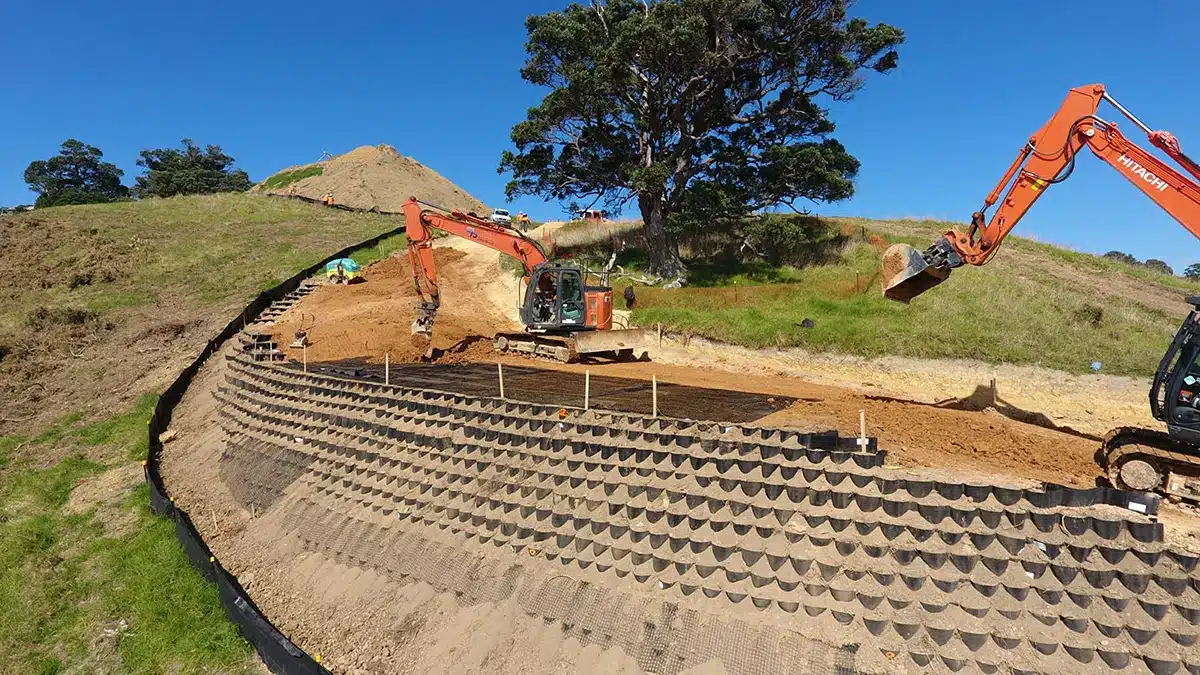
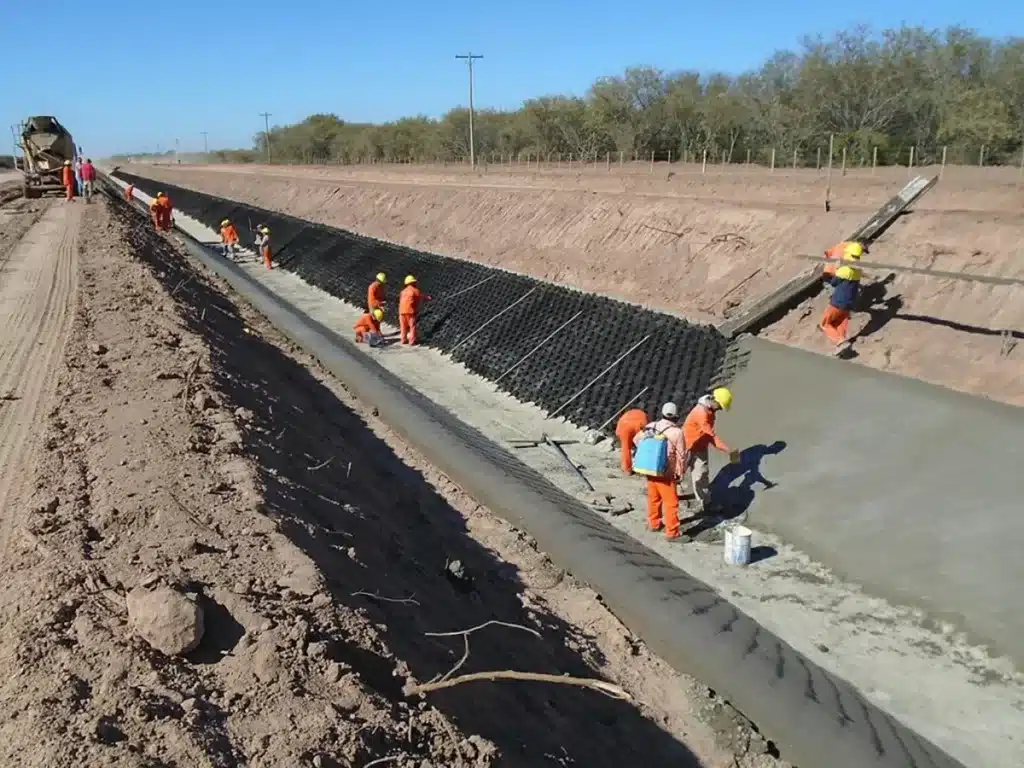
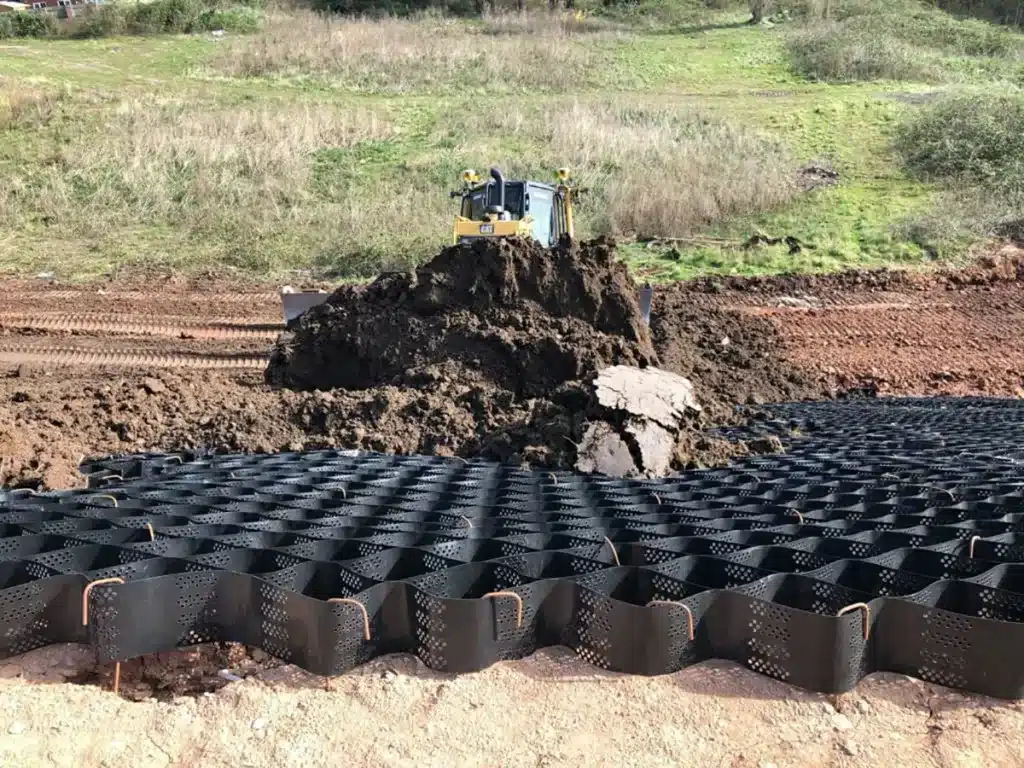
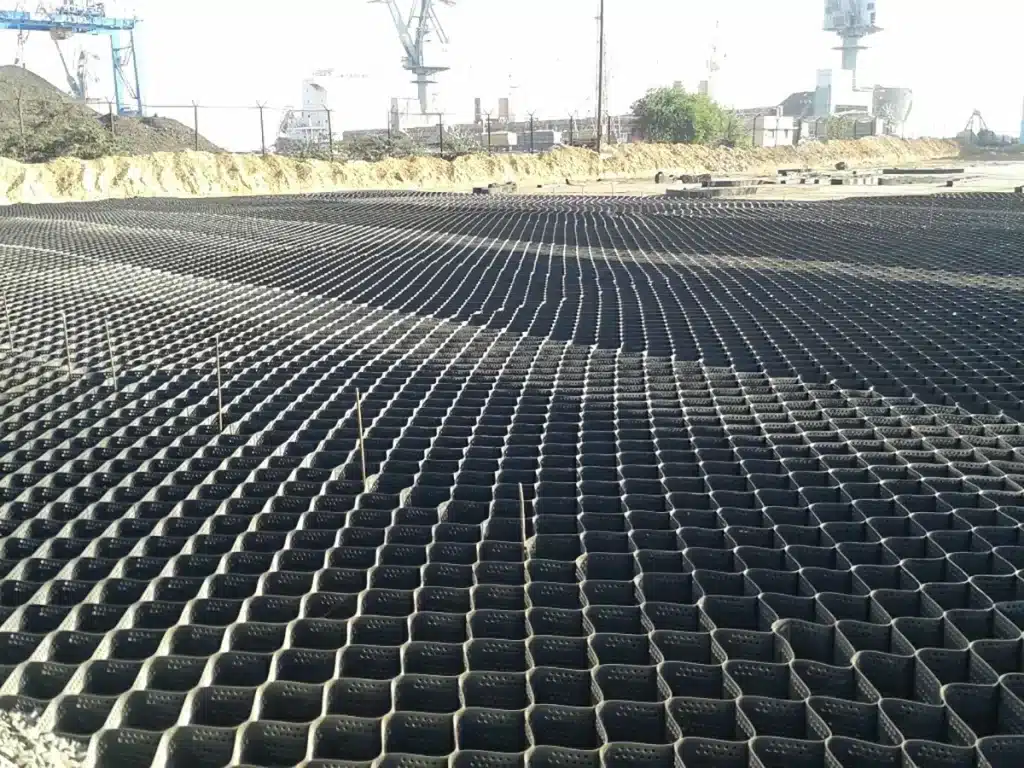
GeoCell plastic refers to the three-dimensional honeycomb-like structures made from HDPE sheets, akin to vinyl web structures placed on the ground to provide structural support and stability when filled with soil or aggregate material. These are used primarily for soil stabilization and erosion control. This plastic is engineered to be expandable and flexible, capable of being filled with materials like soil, sand, or gravel. The interconnected cells effectively confine the fill materials, which enhances the system’s ability to distribute weight and resist environmental stresses, making it a popular choice in both landscaping and civil engineering projects.
What is the difference between PVC and HDPE Geomembrane?
PVC (Polyvinyl Chloride) and HDPE (High-Density Polyethylene) are both used to make geomembranes, but they have distinct differences in their physical properties and applications. Specifically, PVC geomembranes are flexible and relatively easy to handle, making them generally more flexible and easier to weld than HDPE geomembranes. On the other hand, HDPE geomembranes are tough and non-flexible, yet their superior resistance to chemicals and UV radiation makes them a better choice for applications requiring long-term exposure to harsh environmental conditions. Furthermore, HDPE geomembranes are also favored for their high puncture resistance and durability, making them ideal for landfill liners, pond linings, and other protective barriers.
HDPE GeoCell systems represent a versatile and economical solution in modern construction and environmental projects. With their cost-effectiveness, flexibility, and durability, these systems leverage the beneficial properties of HDPE to address challenges like soil stabilization and erosion control. As the market for HDPE for sale grows, understanding the nuances between HDPE and other materials like PVC is crucial for selecting the right geomembrane for specific applications, ensuring both efficiency and environmental compatibility in projects around the globe.


Comments
Post a Comment